Mauritius has launched a 220 MW renewable energy tender as part of its strategy to accelerate the deployment of clean energy and reduce its dependence on imported fossil fuels. The procurement programme includes solar generation capacity combined with battery energy storage systems across 13 sites nationwide. The portfolio comprises ten projects of 10 MW each and three larger projects of 40 MW each. The tender forms part of a wider 405 MW renewable energy pipeline that will support Mauritius in achieving its target of sourcing 60% of its electricity from renewable energy by 2030. The initiative is also designed to strengthen energy security by reducing the island nation’s exposure to volatile global oil prices and lowering reliance on imported fuels. A key feature of the programme is the use of a digital e Marketplace developed through a partnership between the World Bank and the International Solar Alliance. The platform is intended to streamline procurement processes, enhance transparency and improve the bankability of renewable energy projects. The World Bank and International Solar Alliance e Marketplace is described as the first integrated digital clean energy procurement platform specifically designed to address the structural and financial barriers that have historically constrained renewable energy investment in Small Island Developing States. Developed jointly by the International Solar Alliance and the World Bank’s Energy Sector Management Assistance Program, the platform is designed to create a more efficient and investable pipeline of clean energy projects, helping governments attract private sector participation while accelerating renewable energy deployment. Link to the tender documents HERE Good luck! Author: Bryan Groenendaal
Enter your password Published on 06/05/2026 at 03:43 am EDT This is an abstract of the document. To keep reading, click here and get access to the original version. Attachments Disclaimer Holcim AG published this content on June 05, 2026, and is solely responsible for the information contained herein. Distributed via Public Technologies (PUBT), unedited and unaltered, on June 05, 2026 at 07:42 UTC. Holcim: Cement maker seeks new status May 13, 2026 at 04:48 am EDT Holcim: Q1: Reported figures weighted by FX scope Holcim Chairman: ‘Right Time’ to Take Amrize Public Trader This super rating is the result of a weighted average of the rankings based on the following ratings: Valuation (Composite), EPS Revisions (4 months), and Visibility (Composite). We recommend that you carefully review the associated descriptions. Investor This super composite rating is the result of a weighted average of the rankings based on the following ratings: Fundamentals (Composite), Valuation (Composite), EPS Revisions (1 year), and Visibility (Composite). We recommend that you carefully review the associated descriptions. Global This composite rating is the result of an average of the rankings based on the following ratings: Fundamentals (Composite), Valuation (Composite), Financial Estimates Revisions (Composite), Consensus (Composite) and Visibility (Composite). The company must be covered by at least 4 of these 5 ratings for the calculation to be carried out. We recommend that you carefully review the associated descriptions. Quality This composite rating is the result of an average of rankings based on the following ratings: Returns (Composite), Profitability (Composite) and Quality of Financial Reporting (Composite), and Financial Health (Composite). The company must be covered by at least 2 of these 3 ratings for the calculation to be performed. We recommend that you carefully read the associated descriptions. ESG MSCI The MSCI ESG score assesses a company’s environmental, social, and governance practices relative to its industry peers. Companies are rated from CCC (laggard) to AAA (leader). This rating helps investors incorporate sustainability risks and opportunities into their investment decisions.
Currency / Forex Commodities Cryptocurrencies Interest Rates Best financial portal More than 20 years at your side + 1,300,000 members Quick & easy cancellation Our Experts are here for you OUR EXPERTS ARE HERE FOR YOU Monday – Friday 9am-12pm / 2pm-6pm GMT + 1 Select your edition All financial news and data tailored to specific country editions NORTH AMERICA MIDDLE EAST EUROPE APAC
Up to 500 schools across New Zealand (NZ) will be allocated rooftop solar installations under a $25 million program, which the government said will generate up to 10.1 GWh of energy annually. The Solar on Schools program NZ Energy Minister Simeon Brown the solar on schools programme marks a significant step toward energy affordability and resilience across the education sector. “Early modelling by Energy Efficiency and Conservation Authority (EECA) shows that solar panels are estimated to pay for themselves within five to seven years and a 30kW system – the standard size for a school – could save a school up to $8,000 a year in electricity bills,” Brown said. The project will include the installation of battery energy storage and energy management systems at selected schools to help them monitor and manage energy use more efficiently, further reducing costs and reliance on the grid. “The programme will generate up to 10.1 GWh of energy annually – the equivalent of powering 1,500 homes per year,” Brown said. “Schools will also have options to sell energy back to the grid, generating an estimated $6.7 million in revenue over 10 years.” NZ Education Minister Erica Stanford said the program will reduce energy costs, help the environment and educate school students about renewable resources and the science behind solar. “Schools use most of their energy during the day when the sun is shining and are prime candidates for solar. This initiative will provide smart solutions and the opportunity for Kiwi kids to be an exciting part of New Zealand’s energy future. It’s a win-win,” Stanford said. Stage one of the rollout aligns with a school diesel boiler replacement programme and aimed at schools that are facing the largest increases in energy costs, with between 80 and 100 schools receiving solar panels in the first year. “Solar on schools can also support communities during emergencies. Many schools play a connecting role during severe weather and other emergencies,” Standford said. “Solar and batteries at selected schools can help ensure that communities have a reliable source of electricity to provide heating, lighting, and other essential services when communities need it most.” The project is scheduled for completion in 2028.
Comments Please login to comment Thursday, July 9, 2026 11:00 am – 12:30 pm CEST, Berlin, Paris, Madrid Thursday, June 18, 2026 2:00 pm – 3:00 pm CEST, Berlin, Paris, Madrid Wednesday, June 10, 2026 3:00 pm – 4:00 pm CEST, Berlin, Paris, Madrid Tuesday, June 9, 2026 11:00 am – 12:00 pm CEST, Berlin, Paris, Madrid Thursday, June 11, 2026 5:00 pm – 6:00 pm CEST, Berlin, Paris, Madrid Monday, June 1, 2026 5:30 pm – 6:30 pm CEST, Berlin, Madrid, Paris Tuesday, June 16, 2026 6 am – 7:00 am CEST, Berlin Friday, June 12, 2026 2:00 pm – 3:00 pm CEST, Berlin, Paris, Madrid The new pv magazine Global May issue is now available! Mountains to climb Available in print and digital formats. Entries open in seven categories: Modules, Inverters, BoS, BESS, Manufacturing, Sustainability, Projects. April 01 – August 31, 2026 Energy-hungry data centers open new doors for solar and storage. Available in print and digital formats.
Subscribe Now! Get features like A new video shared by Harsh Goenka on X is making the rounds online, drawing attention for its striking visuals and big-picture message. The clip shows a massive floating solar panel installation in China, with rows of panels neatly arranged across a water body, reflecting both scale and engineering precision. Goenka’s post has also reignited discussion around China’s rapid strides in renewable energy infrastructure. While many viewers were impressed by the visual impact and execution of the project, the post also triggered a mix of admiration, criticism, and debate in the comments section. The conversation quickly shifted beyond the video itself, turning into a broader discussion on infrastructure development and global progress in clean energy. (Also Read: Over 100,000 illegal exotic cockroaches seized in Australia, some as large as a human hand) Take a look: The caption shared by Harsh Goenka read, “Mind boggling! Solar panels on water in China….” The short clip soon went viral, drawing strong reactions from users who were divided between praise and scepticism. One user wrote, “Hate it, love it, but we can’t just ignore the amazing stuff that China keeps on doing. Deserves appreciation and recognition.” Another commented, “It takes at least 1000 years for India to reach this level of infrastructure development….” Concerns were also raised about environmental impact, with a user noting, “This installation will be a threat for microbiology under water.” However, many were largely impressed by the scale of the project. A user said, “That’s just next level brilliance in infrastructure.” Others compared China’s progress with other nations, with comments like, “Sir, almost everything about China is mind boggling. Waiting for India to join the league!” and “China is way ahead of its time.” Several users highlighted the innovation in renewable energy, with one remarking, “Mind-blowing scale! China’s leading the renewable revolution with floating solar. Game-changer for the planet!” Another comment read, “Most infrastructure projects in China have surpassed global standards of execution and scale.” (Also Read: ‘I felt so unsafe’: Woman calls out Zomato rider over comments on her 11 pm order) The viral clip has once again highlighted China’s focus on building big renewable energy projects. It especially shows how floating solar farms use water surfaces to produce electricity while saving land space.
Solar Power World By Kelly Pickerel | A company with little recorded experience claims it is opening a solar panel assembly site in Shenandoah County, Virginia, as announced today by Gov. Abigail Spanberger. The Mount Jackson facility on GoogleMaps. The news release says that MSolar Manufacturing will invest $23.775 million into a 56,000-ft2 warehouse in Mount Jackson, Virginia, with plans to also make solar glass and HJT cells. Once operational, MSolar reps expect the facility to make “more than half a million HJT solar panels annually.” Solar Power World estimates that to be a sub-250-MW annual production capacity. “By choosing to invest in Mount Jackson, MSolar is creating new career opportunities in the Shenandoah Valley and helping make sure Virginia has the infrastructure to make energy more affordable and reliable for local communities across our Commonwealth,” Spanberger said. The MSolar site is projected to create 150 jobs in the region. MSolar’s experience in the U.S. solar industry appears to be confined to a failed attempt to build a 54-MW solar project in Virginia in 2021. “We’re building the foundation of a vertically integrated solar manufacturing platform here in Virginia,” said MSolar CEO Michael O’Connor in the governor’s news announcement. “This factory represents the first step in our long-term strategy to expand domestic solar production and deliver high-performance technology for energy projects. We believe the future of solar will be defined by performance, domestic content, energy security and top customer service, and MSolar is positioning itself at the center of that transition. We’re excited to grow alongside the Commonwealth as we scale our platform.” Local reporting from Virginia Business says that the Mount Jackson facility is expected to begin panel production in August. A few years ago, there were some imported solar panels floating around the market with “mSolar” branding. Those panels, likely sold by Mission Solar, have no relation to this MSolar brand starting up in Virginia. Kelly Pickerel has more than 15 years of experience reporting on the U.S. solar industry and is currently editor in chief of Solar Power World. Email Kelly.
Recycling a utility-scale solar module in the United States costs between $15 and $45. Sending it to landfill costs between $1 and $5. That gap is the central problem facing the PV recycling industry, and it does not close without policy intervention, according to Philip Kwong, a researcher at the University of Adelaide who focuses on PV recycling economics. “For most mainstream crystalline-silicon PV recycling today, commercial viability without extended producer responsibility mandates, landfill restrictions, or public subsidies remains difficult,” Kwong said. “The economics are driven by a simple problem: the recovered materials are generally worth less than the cost of collecting, transporting, dismantling, and processing modules.” In “Recycling of photovoltaic modules: Technologies, comparative insights, challenges, and future outlooks,” published in Waste Management, Kwong and his colleagues identify silver and silicon as the primary value drivers in end-of-life crystalline silicon modules, which account for roughly 95% of the global installed base. But Kwong said current commercial operations largely fail to recover either at sufficient purity to justify the cost. The viable near-term route, he said, is silver recovery at high efficiency and high volume, with labor, reagent, and energy costs kept low – a combination that remains achievable only in specific niches and under favorable assumptions. The timeline for broader convergence is longer than the industry’s near-term planning horizons. “Probably sometime in the early-to-mid 2030s for silver, and the mid-2030s for high-purity silicon, assuming current policy support and PV waste growth continue,” Kwong told pv magazine. “The challenge is not that the chemistry and engineering are impossible. It’s that today’s PV modules contain too little value per unit mass, and the materials are too tightly integrated, for recovery processes to consistently beat disposal or low-value recycling.” Waste wave The urgency of the problem is not in dispute. The International Energy Agency’s Photovoltaic Power Systems Programme (IEA PVPS) estimates global end-of-life module volumes will reach 1.7 million tons by 2030 under regular loss scenarios, rising to as much as 8 million tons under early loss assumptions – where modules fail or are replaced ahead of their rated lifespan. By 2050, global waste volumes could reach 60 million tons under regular loss projections. Commercial recycling operations are scaling, but unevenly. First Solar operates a closed-loop recycling program for its cadmium telluride modules – a fundamentally different chemistry from crystalline silicon – recovering more than 90% of semiconductor material and glass. Veolia operates dedicated PV recycling facilities in France and Michigan. Redwood Materials, better known for lithium-ion battery recycling, is developing silicon and silver recovery processes for crystalline silicon modules. But none of these operators has demonstrated industrial-scale crystalline silicon recycling that closes the cost gap without regulatory support. Europe’s WEEE directive remains the only framework that has made commercial recycling broadly viable, by mandating producer responsibility and creating the collection infrastructure that makes volume-based economics possible. In the United States, Washington state passed the only EPR law for solar panels in 2017, with implementation requirements updated in 2025, though the scheme has faced friction from manufacturers and implementation remains in progress. New Jersey passed mandatory recycling legislation in January 2026 but deliberately stopped short of EPR, shifting cost responsibility away from producers. No federal framework exists. The EPA has been working to reclassify end-of-life solar panels as universal waste under RCRA – a measure that would streamline handling and transport – but finalization has been delayed beyond the originally expected June 2025 target. Kwong said a credible US or global framework would need to make recycling economically predictable before the 2030s waste surge arrives. “A credible US or global PV recycling framework would need to make recycling economically predictable before the 2030s surge in solar-panel waste,” he said. “The core policy would be EPR, requiring manufacturers to fund collection and recycling. Supporting measures should include mandatory take-back programs, landfill restrictions, material recovery standards, and long-term regulatory targets. Recycled-content requirements for new panels and components would create demand for recovered materials, while design-for-recycling rules would reduce future costs.” Kwong insisted that commercial viability is possible. “But it likely depends on capturing value from the entire end-of-life PV ecosystem rather than from recycling alone,” he said. This content is protected by copyright and may not be reused. If you want to cooperate with us and would like to reuse some of our content, please contact: [email protected]. Comments Please login to comment Thursday, July 9, 2026 11:00 am – 12:30 pm CEST, Berlin, Paris, Madrid Thursday, June 18, 2026 2:00 pm – 3:00 pm CEST, Berlin, Paris, Madrid Be part of the high-level European conference on solar and energy storage, exploring bankable BESS projects, warranties, and energy management for residential and C&I sectors Monday, June 1, 2026 5:30 pm – 6:30 pm CEST, Berlin, Madrid, Paris Wednesday, June 3, 2026 4:00 pm – 5:00 pm CEST, Berlin, Paris, Madrid Tuesday, June 9, 2026 11:00 am – 12:00 pm CEST, Berlin, Paris, Madrid Thursday, June 11, 2026 5:00 pm – 6:00 pm CEST, Berlin, Paris, Madrid Tuesday, June 16, 2026 10:00 am – 11:00 am CEST, Berlin, Paris, Madrid Wednesday, June 10, 2026 3:00 pm – 4:00 pm CEST, Berlin, Paris, Madrid Friday, June 12, 2026 2:00 pm – 3:00 pm CEST, Berlin, Paris, Madrid Monday, June 15, 2026 9:30 am – 10:30 am CEST, Berlin, Paris, Madrid Tuesday, June 16, 2026 6 am – 7:00 am CEST, Berlin The new pv magazine Global May issue is now available! Mountains to climb Available in print and digital formats. Entries open in seven categories: Modules, Inverters, BoS, BESS, Manufacturing, Sustainability, Projects. April 01 – August 31, 2026 A two-day conference in Austin, Texas, bringing together leaders in US solar manufacturing, equipment specification, and factory execution. Saudi Arabia is accelerating its clean energy transition—join the SunRise Arabia Clean Energy Conference 2026 in Riyadh to explore how solar PV and energy storage are powering its digital economy. Showcase your brand across all our platforms: from 13 websites in 7 languages to our magazines, daily newsletters, industry events and more. Reach your audience the right way! We are participating in Intersolar 2026 again this year! Visit us at our Booth Hall 2 A2.250 to discuss the latest trends within the photovoltaic industry with the pv magazine team. June 23-25, 2026 | MUNICH, GERMANY
Sunny. High 86F. NW winds shifting to SSE at 10 to 15 mph.. Partly cloudy skies. Low 67F. Winds SSW at 5 to 10 mph. Updated: June 5, 2026 @ 4:46 am Editorials represent the institutional view of the newspaper. They are written and edited by the editorial staff, which operates separately from the news department. Editorial writers are not involved in newsroom operations. Berkeley County Council is weighing whether to lift the county’s large-scale development moratorium for the Sandy Run Solar project, which would generate 198 megawatts of electricity. The proposal is fiercely opposed by residents in Cross, where it would be built. Berkeley County Council is weighing whether to lift the county’s large-scale development moratorium for the Sandy Run Solar project, which would generate 198 megawatts of electricity. The proposal is fiercely opposed by residents in Cross, where it would be built. The word “rural” appears at least 82 times in Berkeley County’s comprehensive plan, whose preferred vision for the county’s growth “minimizes conversion of rural land and maintains more rural, open space preservation.” So it’s no wonder residents in Cross, a small unincorporated hamlet just west of Lake Moultrie, are upset because County Council recently voted in favor of a proposed 1,500-acre solar farm on land now forested by pines. While council members agreed to consider this project, they ultimately must vote against it, at least until its developers do much more to address concerns of nearby residents regarding the impact this massive solar farm would have on their quality of life. As county Supervisor Johnny Cribb told reporter Komlavi Adissem, council’s recent decision marks more of a starting point than a final decision. Four years ago, County Council put a moratorium on any new development with more than 75 homes or covering more than 75 acres — unless council votes in favor of letting such a proposal go through its normal approval process. With the solar farm, that process has now begun, and Mr. Cribb told us while he cannot predict the outcome, he has faith that his colleagues will do the right thing. We share that hope but also believe Mr. Cribb should have a vote in such matters. Currently, the county’s rules allow him to vote only to break a tie, and that must change. Last month, three of nine council members — Phillip Obie II, Tommy Newell and Steve Davis — either recused themselves or abstained, so this key vote on the solar farm was made by only five members, two of whom voted no. Had Mr. Cribb been allowed to vote, it would not have been approved; neither of Cross residents’ elected representatives, District 7 Councilman Caldwell Pinckney Jr. and Mr. Cribb (who is elected countywide), supports this, which should be a big red flag. Getting this decision on the solar farm right has importance beyond the Cross community, however, as Berkeley should expect to see many more such requests. Its countryside, as in many rural parts of our state, is largely forested. Much of this land once was owned by paper companies, but they since have sold off much of their old holdings to investment companies. Many of these companies have continued growing timber, but as more paper and pulp mills close across our state, prices have dropped. And that means some landowners are considering what other uses could provide the sort of financial return they would like. Berkeley’s comp plan designates much of the area around Cross as “rural living,” but the plan was written when the market for timber was stronger; many might reasonably have assumed these forests would remain forests, but that’s less certain these days. So County Council should get ahead of this not only by focusing on the solar farm proposed outside Cross but also by reviewing its rural zoning and greenbelt program to ensure they’re working as robustly as possible to provide the protection for rural land that residents — and the county’s own comprehensive plan — call for. A solar farm might not be as damaging to the rural character of a place as other uses, such as major residential or commercial development or even a data center, but residents fear a solar farm still would disrupt their area’s natural beauty and way of life. Their specific concerns include soil degradation, water-resource-management concerns and disruptions to local ecosystems. This solar farm application should serve as a wake-up call for Berkeley County Council to recognize the changing nature and financial dynamics of the rural areas council members cherish and want to conserve. We offer no specific prescription about what changes are needed, but council’s ongoing work to update its zoning policies and administer its new greenbelt-land-conservation program are the most obvious levers to pull. A rules change to let the county supervisor — the only member elected at-large — fully engage in these decisions by voting would help, too. Click here formore opinion contentfrom The Post and Courier. The Post and Courier 148 Williman Street Charleston, SC 29403 Phone: 843-853-POST (7678) News tips/online questions:newstips@postandcourier.com Delivery/subscription questions:subserve@postandcourier.com Your browser is out of date and potentially vulnerable to security risks. We recommend switching to one of the following browsers: , Post and Courier, an Evening Post Publishing Newspaper Group. All rights reserved. | Terms of Sale
Recognised as a Grade A manufacturer and ranked among the top three Indian solar module producers, Premier Energie’s inclusion highlights its manufacturing scale, technology strength and global competitiveness. June 05, 2026. By News Bureau Future of Renewable Infra Will Be Built on Resilient Structures, Not Cheapest Ones: Vedant Goel AI, Digitalisation Will Drive Next Phase of India’s Energy Transition: Schneider’s Udai Singh Iron-Air Batteries Can Power India’s Renewable Ambitions: Stuti Kakkar, Meine Electric India’s EV Future Depends on Highway Charging Corridors: Kartikey Hariyani, ChargeZone GoodWe India’s Aniket Sawant on Crossing 6 GW Shipments and the Future of Energy Storage
Australia installed 435 MW of residential rooftop solar in April 2026, a 30% month-on-month (MoM) increase, according to market insights from solar consultancy SunWiz. The bumper month came ahead of The Cheaper Home Batteries Program (CHBP), a home battery rebate reduction which came into force on May 1. This gear-change tapped the brakes a little in May, seeing rooftop solar uptake down by 22% MoM, but still 46% above May 2025. SunWiz said a key driver was the CHBP change, but also the demand for larger solar arrays needed to pair with bigger home battery energy storage systems (BESS). “Every size band and state remains well above year-ago levels, and the Cheaper Home Battery Program continues to act as a multiplier on PV,” the SunWiz insight paper says. “Electrification of appliances and EVs is the likely next leg of the cycle.” All states remained well above year-on-year levels, but from April to May, Victoria was the only state to grow MoM +16%, while Queensland saw the sharpest correction -34%, followed by New South Wales (NSW) -32%, South Australia (SA) – 28%, Northern Territory (NT) -10%, Tasmania -3%, and Western Australia (WA) -2%. “The 10–15 kW residential band remains the backbone at 121 MW (~36% of the market),” the Insights say. “The mix continues to tilt toward larger systems — 15–20 kW and 20–50 kW both gained share this year — while the traditional 5–10 kW band keeps shrinking (down to ~28% of capacity). The large-format15–100 kW segment eased from April’s spike but still sits well clear of every prior year.” SunWiz notes EnergyBuild (Stoddart) is the runaway year-to-date (YTD) leader installing approximately 23.5 MW, followed by Green Engineering/AGPIG (~8 MW) in second ahead of NSEG (~6.7 MW), but Suntera (SOLA NOW), fourth on ~5.8 MW, posted a strong Q2 and is closing on a top-three spot. This content is protected by copyright and may not be reused. If you want to cooperate with us and would like to reuse some of our content, please contact: [email protected]. Comments Please login to comment Thursday, July 9, 2026 11:00 am – 12:30 pm CEST, Berlin, Paris, Madrid Thursday, June 18, 2026 2:00 pm – 3:00 pm CEST, Berlin, Paris, Madrid Be part of the high-level European conference on solar and energy storage, exploring bankable BESS projects, warranties, and energy management for residential and C&I sectors Monday, June 1, 2026 5:30 pm – 6:30 pm CEST, Berlin, Madrid, Paris Wednesday, June 3, 2026 4:00 pm – 5:00 pm CEST, Berlin, Paris, Madrid Tuesday, June 9, 2026 11:00 am – 12:00 pm CEST, Berlin, Paris, Madrid Thursday, June 11, 2026 5:00 pm – 6:00 pm CEST, Berlin, Paris, Madrid Tuesday, June 16, 2026 10:00 am – 11:00 am CEST, Berlin, Paris, Madrid Wednesday, June 10, 2026 3:00 pm – 4:00 pm CEST, Berlin, Paris, Madrid Friday, June 12, 2026 2:00 pm – 3:00 pm CEST, Berlin, Paris, Madrid Monday, June 15, 2026 9:30 am – 10:30 am CEST, Berlin, Paris, Madrid Tuesday, June 16, 2026 6 am – 7:00 am CEST, Berlin The new pv magazine Global May issue is now available! Mountains to climb Available in print and digital formats. Entries open in seven categories: Modules, Inverters, BoS, BESS, Manufacturing, Sustainability, Projects. April 01 – August 31, 2026 A two-day conference in Austin, Texas, bringing together leaders in US solar manufacturing, equipment specification, and factory execution. Saudi Arabia is accelerating its clean energy transition—join the SunRise Arabia Clean Energy Conference 2026 in Riyadh to explore how solar PV and energy storage are powering its digital economy. Showcase your brand across all our platforms: from 13 websites in 7 languages to our magazines, daily newsletters, industry events and more. Reach your audience the right way! We are participating in Intersolar 2026 again this year! Visit us at our Booth Hall 2 A2.250 to discuss the latest trends within the photovoltaic industry with the pv magazine team. June 23-25, 2026 | MUNICH, GERMANY
Houston homeowners are getting a new way to get solar and battery storage without signing up for a decades-long loan. Now, solar company Terra Energy is rolling out a new option that bundles rooftop solar, home battery backup, and electricity into one monthly bill without the usual long-term solar loan. The company today launched TerraOne, a three-year subscription that includes rooftop solar, up to 40 kWh of battery storage, and electricity service in Houston. Terra says there are no upfront costs, loans, liens, or equipment purchases required. That’s a notable shift in an industry where homeowners are often asked to sign contracts stretching 20 to 25 years. Terra says qualifying Houston customers could see electricity rates as low as 6 cents per kWh before delivery charges, depending on energy usage, system size, and eligibility. That’s less than half the typical residential electricity rate in the Houston area. The launch comes as Texas electricity prices have surged nearly 70% since 2021, according to the company. At the same time, repeated extreme weather events have exposed ongoing concerns about grid reliability after millions lost power during heat waves and winter freezes. The TerraOne package includes solar panels sized to cover up to 100% of a home’s yearly electricity use, along with enough battery backup to power most homes during outages, including air conditioning. Terra handles installation, maintenance, repairs, and insurance as part of the subscription. The Houston rollout also marks Terra’s move into virtual power plants, or VPPs. The idea is that connected home batteries and solar systems work together as a distributed energy resource that supports the grid during periods of high demand. Terra says aggregating thousands of home energy systems could help utilities bring new capacity online faster as electricity demand from data centers grows. The company expanded into Texas after growing quickly in Florida, where Terra says it became the state’s largest residential solar provider within 18 months. TerraOne is now available for homeowners in CenterPoint and other deregulated service areas around Houston. Read more:Another giant solar factory is coming to Texas If you’re looking to replace your old HVAC equipment, it’s always a good idea to get quotes from a few installers. To make sure you’re finding a trusted, reliable HVAC installer near you that offers competitive pricing on heat pumps, check out EnergySage. EnergySage is a free service that makes it easy for you to get a heat pump. They have pre-vetted heat pump installers competing for your business, ensuring you get high quality solutions. Plus, it’s free to use! Your personalized heat pump quotes are easy to compare online and you’ll get access to unbiased Energy Advisors to help you every step of the way. Get started here. – *ad FTC: We use income earning auto affiliate links.More. Subscribe to Electrek on YouTube for exclusive videos and subscribe to the podcast. Electrek Green Energy Brief: A daily technical, … Michelle Lewis is a writer and editor on Electrek and an editor on DroneDJ, 9to5Mac, and 9to5Google. She lives in White River Junction, Vermont. She has previously worked for Fast Company, the Guardian, News Deeply, Time, and others. Message Michelle on Twitter or at michelle@9to5mac.com. Check out her personal blog. Light, durable, quick: I’ll never go back. Because I don’t want to wait for the best of British TV.
Out on a patch of land near Sydney’s northern beaches, a new generation of solar panels are sitting out in the salt air, heat, humidity and rain. They are facing the harsh tests of nature and time. And if they fail, that could be quite useful. For UNSW Sydney’s Scientia Professor Martin Green – who is often described as the father of modern photovoltaics – the future of solar power now depends not on an efficiency world record but on whether the next generation of solar cells can survive outside the lab. Prof. Green has spent more than five decades helping solar power become a cheap source of electricity, with the technology he developed today underpinning 90% of the world’s solar technology. Now, he is helping establish an independent field-testing facility at UNSW’s Water Research Laboratory in Manly Vale, where the newest solar tech – perovskite solar modules – will be subjected to durability testing under real-world conditions. Green says while these modules are already on the market, the expectation is that failed modules can simply be replaced as production scales and costs continue to fall. “Silicon modules are routinely sold with warranties of 25 to 40 years,” Prof. Green says. “While the perovskite modules offer similar warranties, the likelihood of a module surviving for that long is very small.” Perovskites are a class of crystalline materials that can be stacked on top of silicon solar cells to harvest more sunlight and push solar performance further – the next generation of solar technology. The new technology performs impressively in lab but is yet to survive for decades in the real world. In the latest international solar cell efficiency tables – published last week in Joule – Prof. Green records a large-area silicon cell reaching 28.1% efficiency and a tiny perovskite cell – not a full-size commercial module – reaching 28.0%. This is the first time the best single-junction perovskite result has effectively matched the highest silicon result. The same report includes a 35.2% efficiency result for a perovskite-on-silicon tandem cell. In a solar cell, a few percentage points make a massive difference. Higher efficiency means more electricity from the same rooftop, less land required for solar farms, with lower installation and infrastructure costs across entire energy systems. The report’s latest numbers suggest solar is edging towards another technological shift – if the cells can last. “Silicon, the workhorse of the global solar revolution, is now very efficient, but increasingly close to its limits,” Prof. Green says. “And anyone who’s made a perovskite cell knows how unstable they are.” Testing the future Can perovskites make the same leap silicon did from promising technology to reliable infrastructure? This question is what shapes the field-testing facility. Prof. Green says perovskite-on-silicon tandem cells are the most likely large-scale commercial pathway for next-gen solar technology. “All the silicon manufacturers have their own perovskite-on-silicon programs,” he says. When his group first began setting records with silicon cells, he insisted any claims be certified by recognised testing laboratories. “If you’re claiming a record, you’ve got to have it independently certified,” he says. That insistence on verification became a foundation of the modern solar industry. And it persists today through the independent field-testing facility Prof. Green is helping establish alongside his former student, UNSW’s Dr Jessica Jiang. The facility will be able to install up to 160 modules, catering to all manufacturers and generations of products. Many perovskite manufacturers are part of China’s rapidly expanding solar industry – and Prof. Green’s former students. One of the largest perovskite manufacturers, Microquanta, was started by two former students. Another former student is the founder of Suntech, Dr Zhengrong Shi, whose commercialisation of modern solar technology helped catalyse China’s rise as a global solar manufacturing powerhouse. “Jessica has really good contacts within the Chinese industry, largely because they’re former students who now have important jobs in the industry,” Prof. Green says. “She can WeChat them and the next day they’ll put a module in the mail.” By comparing modules from different companies, the UNSW team hopes to identify which failure mechanisms are widespread and which are specific to individual designs. “We’ll be able to provide an authoritative opinion about just how good the commercial ones are,” Prof. Green says. “Once they fail in the field, we’ll find out why and provide that information back to the manufacturer,” he says. “We really think we can push things along a bit.” From oil shocks to world records When Prof. Green began working on solar cells in the early 1970s, photovoltaics were niche and expensive. The cost didn’t matter so much in the space industry, which had been using solar cells in spacecraft since the late 1950s. But back down on Earth, they were too expensive to be taken seriously as an everyday power source. Then, the oil crises of that decade forced governments to think seriously about energy security – particularly after embargoes disrupted fuel supplies across the Western world. “There were queues at service stations, cars running out of petrol – in a world suddenly worried about oil dependence,” Prof. Green says. He says solar then “got a guernsey” in efforts to reduce dependence on imported oil. “They had to bring the cost down by a factor of a thousand or more from what they cost to put on satellites,” he says. At the time, nuclear power dominated much of the energy imagination. Prof. Green says one nuclear advocate dismissed solar as likely to have “all the impact of a flea on an elephant’s back”. But, he says, the political and scientific mood began to shift. A US program helped set the international tone. Japan launched its Sunshine Project. Europe followed with its own efforts. And Australia began its own solar program in 1978. Prof. Green joined UNSW as an academic in 1974 and set up a solar research group soon after. By the early 1980s, his group was known internationally. In 1983, he and his team invented Passivated Emitter and Rear Cell (PERC) technology. This led to them then producing the world’s first officially confirmed 18% efficient silicon solar cell, beating the previous record of 16.5%. That result pushed UNSW to the front of a field that included major US companies, NASA-linked programs, Japanese laboratories and other universities – with Prof. Green’s research team holding the record for silicon solar cell efficiency for much of the past four decades. And last year, solar generated more electricity worldwide than nuclear for the first time, with the gap rapidly increasing. Faster than expected The role of solar today has expanded to being a resource that combats climate change. But its appeal still sits with its 1970s roots – as a technology tied to energy security, economic resilience and independence from volatile fossil fuel markets. In Australia, solar already supplies a substantial share of electricity. Prof. Green says the contribution from solar is now doubling every few years and could become the dominant source of electricity far sooner than many expect. “We’ll be generating most of our electricity from solar by about 2032,” he says. He says conservative energy forecasts have repeatedly underestimated renewable deployment. Even projections that now speak positively about renewables, he says, often still assume they will play a smaller role than growth trends suggest. For someone who has spent more than five decades not just watching, but helping solar outperform expectations, he is reluctant to underestimate what comes next. “Things have exceeded even my projections as an optimistic person in the field.”
From pv magazine Australia Solar and battery storage provider Smart Commercial Energy, formerly Smart Commercial Solar, has teamed with Over Easy Solar to launch the Norwegian company’s prefabricated vertical rooftop solar system into the Australian market. Over Easy has developed a vertically oriented rooftop solar system featuring pre-assembled and pre-racked bifacial panels that sit directly on the roof surface, removing the need for traditional tilt frames for installation. The vertical photovoltaic (VPV) unit has been designed for buildings where traditional rooftop solar is not feasible due to load-bearing limits or design constraints, adding only 12 kilograms per square metre. The units come in two sizes: one measuring 1,600 mm x 1,500 mm x 345 mm and weighing 26 kg, and one measuring 1,600 mm x 1,500 mm x 265 mm and weighing 25 kg. Each unit has an output of 200 W. Sydney-headquartered Smart said the prefabricated and pre-assembled format simplifies installation, reduces on-site work, and minimises interaction with the roof structure, opening new possibilities for commercial buildings where conventional rooftop solar is difficult or impossible to deploy. “Panels arrive on site pre-assembled and pre-racked, enabling a simple, plug-and-play installation that takes around 15 minutes per kWp,” the company said. “There’s no need for tilt frames or invasive roof work, making solar possible on sites where traditional rooftop has already been ruled out.” Due to its vertical mounting and east-west orientation, the system can also be used in conjunction with traditional rooftop solar to extend solar generation beyond standard daylight peaks, improving overall system economics. Huon Hoogesteger, founder and Managing Director of Smart, said the system presents new possibilities for commercial rooftops. “This product opens new opportunities,” he said. “On some buildings it’s the only practical way to add solar at all. On others, it can sit alongside existing panels and help smooth out the midday spike, delivering energy when businesses need it.” Over Easy co-founder and Chief Executive Officer Trygve Mongstad said the VPU is well suited to the Australian market where rooftop solar is already the largest energy generator in the country. By late 2025, Australia had more than 4.26 million rooftop systems installed under the national Small-scale Renewable Energy Scheme, representing 27.8 GW of total capacity. “We see Australia as an extremely relevant market,” Mongstad said. “It has one of the highest solar energy densities in the world, which also means a large share of energy is generated around the middle of the day.” “Our vertical technology shifts generation toward the morning and afternoon, complementing existing rooftop systems. At the same time, the lightweight design and simple installation open up rooftops that were previously difficult or impossible to use.” Smart said initial projects will be small-scale installations on carefully selected commercial sites. The targeted trial phase will focus on collecting data around performance, installation efficiency, structural impact and long-term suitability under Australian conditions. Over Easy, founded in 2021, said more than 1.3 MW of its VPUs have been installed across about 40 buildings in 13 countries. This content is protected by copyright and may not be reused. If you want to cooperate with us and would like to reuse some of our content, please contact: [email protected]. Comments Please login to comment Thursday, July 9, 2026 11:00 am – 12:30 pm CEST, Berlin, Paris, Madrid Thursday, June 18, 2026 2:00 pm – 3:00 pm CEST, Berlin, Paris, Madrid Be part of the high-level European conference on solar and energy storage, exploring bankable BESS projects, warranties, and energy management for residential and C&I sectors Monday, June 1, 2026 5:30 pm – 6:30 pm CEST, Berlin, Madrid, Paris Wednesday, June 3, 2026 4:00 pm – 5:00 pm CEST, Berlin, Paris, Madrid Tuesday, June 9, 2026 11:00 am – 12:00 pm CEST, Berlin, Paris, Madrid Thursday, June 11, 2026 5:00 pm – 6:00 pm CEST, Berlin, Paris, Madrid Tuesday, June 16, 2026 10:00 am – 11:00 am CEST, Berlin, Paris, Madrid Wednesday, June 10, 2026 3:00 pm – 4:00 pm CEST, Berlin, Paris, Madrid Friday, June 12, 2026 2:00 pm – 3:00 pm CEST, Berlin, Paris, Madrid Monday, June 15, 2026 9:30 am – 10:30 am CEST, Berlin, Paris, Madrid Tuesday, June 16, 2026 6 am – 7:00 am CEST, Berlin The new pv magazine Global May issue is now available! Mountains to climb Available in print and digital formats. Entries open in seven categories: Modules, Inverters, BoS, BESS, Manufacturing, Sustainability, Projects. April 01 – August 31, 2026 A two-day conference in Austin, Texas, bringing together leaders in US solar manufacturing, equipment specification, and factory execution. Saudi Arabia is accelerating its clean energy transition—join the SunRise Arabia Clean Energy Conference 2026 in Riyadh to explore how solar PV and energy storage are powering its digital economy. Showcase your brand across all our platforms: from 13 websites in 7 languages to our magazines, daily newsletters, industry events and more. Reach your audience the right way! We are participating in Intersolar 2026 again this year! Visit us at our Booth Hall 2 A2.250 to discuss the latest trends within the photovoltaic industry with the pv magazine team. June 23-25, 2026 | MUNICH, GERMANY
(Seguin) – Solar panels mounted on the roof of the Niagara Bottling plant in Seguin caught fire Tuesday morning, forcing the evacuation of employees and challenging firefighters who had to stretch hundreds of feet of hose to reach the blaze. That’s according to Seguin Fire Chief Dale Skinner. Skinner says crews were dispatched following reports of a fire on the roof of the building located at 1730 E. 8th Street. “We received a call at around 11:30 this morning for a reported fire at Niagara on the roof. At the time of the call, it was unsure whether the Niagara employees inside the building were aware of the fire,” said Skinner. When firefighters arrived, Skinner says heavy smoke was visible from the roof and employees were seen evacuating the facility. “We deployed a drone that was able to give us a clear view of what was on fire, and it was the solar panels on the roof,” said Skinner. The chief says the size of the building also created significant challenges for firefighters. “This building is approximately 1 million square feet, and the fire was almost in the exact middle of the building, making access to the fire very difficult for our crews,” he said. With assistance from the New Braunfels Fire Department, crews were able to reach the fire using aerial ladders and extended hose lines. Skinner says it took nearly 45 minutes after arriving on scene to bring the blaze under control. “Access to the fire was rather difficult. We were operating with hose lines off the tip of our ladder truck, and I’m being told that we had 800 feet of fire hose on the roof,” said Skinner. “That’s a long way for crews to operate on that rooftop in direct sunlight while stretching hose lines and extinguishing the fire.” Skinner says damage to the manufacturing plant was limited primarily to the solar panel system. “We had some light smoke inside the building, but there was no fire damage inside. The roof covering and, of course, the solar panels were heavily damaged,” said Skinner. According to the longtime fire chief, this incident was the first solar panel fire that he has encountered during his career. “It’s new to me. I’ve never experienced a fire from solar panels,” said Skinner. “We were aware that they had solar panels on the roof like several other businesses within our district, but it’s the first time that I’ve experienced a fire isolated to solar panels.” Skinner says he was proud of the firefighters from both departments. He says despite the massive roof and the location of the fire right in the center, everything was attacked with precision. “I’m very proud of the crews. They gave it their best, and we were able to minimize damage to the building. We have no injuries,” said Skinner. Although the blaze has been extinguished, crews remained on scene Tuesday afternoon monitoring the area for any possible rekindles. The cause of the fire remains under investigation. This site is protected by reCAPTCHA and the Google Privacy Policy and Terms of Service apply.
Every time you open an umbrella, you’re deploying a canopy of wasted real estate. That dark stretched fabric sits between you and the sun, absorbing heat, blocking light, doing absolutely nothing with the energy raining down on it. For a surface that spends its entire working life pointed directly at the sky, that feels like a missed opportunity of the highest order. Victoria García Moreno, a student at Universidad Casa Blanca in Mexico, decided to do something about it. Her James Dyson Award entry takes the umbrella’s canopy and lines it with waterproof solar panels, routing that captured energy down through the shaft and into an internal power bank housed in the handle. USB and USB-C ports let you plug your phone in while you walk. Sun protection and emergency charging, packaged into one familiar object. Designer: Victoria García Moreno
The material logic here is sound, even if the execution remains at concept stage. Solar panels have been conformal and flexible enough for curved surfaces since the early 2000s, and the umbrella canopy offers a genuinely generous collection area compared to most portable solar products on the market. Foldable solar chargers sold today typically max out at panels smaller than a laptop screen. A full umbrella canopy, by comparison, gives you something closer to the kind of surface area that actually moves the needle on solar harvest. The panels García Moreno specifies are waterproof, which solves the obvious problem of a device that lives outdoors and frequently encounters rain. All the electronics, the power bank, the activation circuitry, the output ports, sit inside the grip in a cylindrical housing that keeps the umbrella’s overall silhouette completely conventional. Two buttons sit on the front face: one to power the system, one to activate charging output. The USB and USB-C ports are recessed into the rear of the handle, keeping them protected when not in use. From the front, this reads as a slightly premium umbrella. The technology announces itself only when you need it to.
The honest limitation García Moreno’s concept faces is the gap between solar panel flexibility and the mechanical demands of a folding umbrella. Current flexible panel technology can handle curves, but repeated folding and unfolding introduces stress concentrations that standard rigid cells handle poorly. That’s a solvable engineering problem, and the James Dyson Award has a history of surfacing student concepts that identify the right problem before the manufacturing world catches up with a solution. For now, the Portable Outdoor Emergency Charger makes its case as a provocation worth taking seriously. The umbrella canopy has been wasted real estate for far too long, and someone had to say it. There is a reason Kevlar keeps showing up in premium phone accessories. The material brings a rare combination of low weight, tactile richness, and serious… Orbitkey’s design story has always revolved around everyday friction, the loose keys in a pocket, the tangled cable in a bag, the small desktop essentials… It may have taken a while but finally London has a design art fair worthy of applause. Drawing on the dynamic crossover between art and… In our attempts to free ourselves from the tyranny of tangled wires, many have adopted purely wireless computer setups, using wireless keyboards and mice to… Composting is an aerobic procedure that requires oxygen and transforms organic substances into a nutrient-rich soil enhancer or mulch via the process of natural decomposition…. Would you ever change your computer’s hard drive? What about replacing the graphic card? Many people would answer a resounding NO! For us, the idea… We’re an online magazine dedicated to covering the best in international product design. We have a passion for the new, innovative, unique and undiscovered. With our eyes firmly focused on the future. Editorial Standards and Ethics / Privacy Policy
Thank you for visiting nature.com. You are using a browser version with limited support for CSS. To obtain the best experience, we recommend you use a more up to date browser (or turn off compatibility mode in Internet Explorer). In the meantime, to ensure continued support, we are displaying the site without styles and JavaScript. Advertisement Nature Synthesis (2026) Cite this article Self-assembled monolayers serve as hole-selective contacts in perovskite solar cells, but their scalable fabrication remains challenging. Here we report a rapid (≤5 min) soak-coating strategy for self-assembled monolayer fabrication, enabled by molecular design and solvent engineering. The unsymmetric self-assembled monolayer material (4-(10-methoxy-7H-benzo[c]carbazol-7-yl)phenyl)phosphonic acid was rationally designed with dual-functional molecular segments to inhibit molecular aggregation in solution and enhance interfacial charge transport. Concurrently, an ethanol-based solvent system containing 1.5 vol% water was engineered to improve material dispersity and strengthen surface anchoring on transparent conducting oxide substrates. The soak-coated self-assembled monolayers exhibit dense and uniform coverage, yielding perovskite solar cells with a certified power conversion efficiency of 27.23%. This methodology demonstrates good scalability, successfully extending to large-area devices, mini-modules and flexible architectures, all of which maintain stable operation. Notably, both the soak-coating solutions and modified transparent conducting oxide substrates can be reused, substantially improving resource efficiency. This work provides a scalable and cost-efficient route for fabricating stable perovskite solar cells. This is a preview of subscription content, access via your institution Subscribe to this journal Receive 12 digital issues and online access to articles $119.00 per year only $9.92 per issue Buy this article USD 39.95 Prices may be subject to local taxes which are calculated during checkout All data generated or analysed during this study are available within the paper and its Supplementary Information. Source data are provided with this paper. Kojima, A., Teshima, K., Shirai, Y. & Miyasaka, T. Organometal halide perovskites as visible-light sensitizers for photovoltaic cells. J. Am. Chem. Soc.131, 6050–6051 (2009). ArticleCASPubMed Google Scholar Lee, M. M., Teuscher, J., Miyasaka, T., Murakami, T. N. & Snaith, H. J. Efficient hybrid solar cells based on meso-superstructured organometal halide perovskites. Science338, 643–647 (2012). ArticleCASPubMed Google Scholar Lin, Y. X. et al. A Nd@C82–polymer interface for efficient and stable perovskite solar cells. Nature742, 78–84 (2025). Article Google Scholar Xiao, X. et al. Aqueous-based recycling of perovskite photovoltaics. Nature638, 670–675 (2025). ArticleCASPubMedPubMed Central Google Scholar Zuo, L. et al. Enhanced photovoltaic performance of CH3NH3PbI3 perovskite solar cells through interfacial engineering using self-assembling monolayer. J. Am. Chem. Soc.137, 2674–2679 (2015). ArticleCASPubMed Google Scholar Isikgor, F. H. et al. Molecular engineering of contact interfaces for high-performance perovskite solar cells. Nat. Rev. Mater.8, 89–108 (2023). ArticleCAS Google Scholar Li, M., Liu, M., Qi, F., Lin, F. R. & Jen, A. K.-Y. Self-assembled monolayers for interfacial engineering in solution-processed thin-film electronic devices: design, fabrication, and applications. Chem. Rev.124, 2138–2204 (2024). ArticleCASPubMed Google Scholar Ali, F., Roldán-Carmona, C., Sohail, M. & Nazeeruddin, M. K. Applications of self-assembled monolayers for perovskite solar cells interface engineering to address efficiency and stability. Adv. Energy Mater.10, 2002989 (2020). ArticleCAS Google Scholar Li, C. et al. Pros and cons of hole-selective self-assembled monolayers in inverted PSCs and TSCs: extensive case studies and data analysis. Energy Environ. Sci.17, 6157–6203 (2024). ArticleCAS Google Scholar Chen, H. et al. Improved charge extraction in inverted perovskite solar cells with dual-site-binding ligands. Science384, 189–193 (2024). ArticleCASPubMed Google Scholar Li, S. et al. Coherent growth of high-Miller-index facets enhances perovskite solar cells. Nature635, 874–881 (2024). ArticlePubMed Google Scholar Qu, G. et al. Self-assembled materials with an ordered hydrophilic bilayer for high performance inverted Perovskite solar cells. Nat. Commun.16, 86 (2025). ArticleCASPubMedPubMed Central Google Scholar Qu, G. et al. Conjugated linker-boosted self-assembled monolayer molecule for inverted perovskite solar cells. Joule8, 2123–2134 (2024). ArticleCAS Google Scholar Zhang, S. et al. Self-assembled π-conjugated hole-selective molecules for UV-resistant high-efficiency perovskite solar cells. Angew. Chem.64, e202508782 (2025). ArticleCAS Google Scholar Azam, M. et al. Dual functionality of charge extraction and interface passivation by self-assembled monolayers in perovskite solar cells. Energy Environ. Sci.17, 6974–7016 (2024). ArticleCAS Google Scholar Bi, H. et al. Selective contact self-assembled molecules for high-performance perovskite solar cells. eScience5, 10329 (2025). Article Google Scholar Parvazian, E. et al. Slot-die coating of self-assembled monolayers: a scalable approach for perovskite solar cells. Mater. Today Energy52, 101955 (2025). ArticleCAS Google Scholar Yalcin, E. et al. Semiconductor self-assembled monolayers as selective contacts for efficient PiN perovskite solar cells. Energy Environ. Sci.12, 230–237 (2019). ArticleCAS Google Scholar Aktas, E. et al. Understanding the perovskite/self-assembled selective contact interface for ultra-stable and highly efficient p–i–n perovskite solar cells. Energy Environ. Sci.14, 3976–3985 (2021). ArticleCAS Google Scholar Hu, S. et al. Scalable impregnation method for preparing a self-assembled monolayer in high-performance vapor-deposited lead-halide perovskite solar cells. ACS Nano19, 15018–15029 (2025). ArticleCASPubMed Google Scholar Liu, W. et al. Buried interface engineering for scalable processing of high-performance inverted perovskite solar modules. Adv. Energy Mater.15, 2404374 (2025). ArticleCAS Google Scholar Greenwood, N. N. & Earnshaw, A. Chemistry of the Elements (Butterworth-Heinemann, 1997). Markovitch, O. & Agmon, N. Structure and energetics of the hydronium hydration shells. J. Phys. Chem. A111, 2253–2256 (2007). ArticleCASPubMed Google Scholar Benco, L., Tunega, D., Hafner, J. & Lischka, H. Upper limit of the O−H O hydrogen bond. Ab initio study of the kaolinite structure. J. Phys. Chem. B105, 10812–10817 (2001). ArticleCAS Google Scholar Qiao, Y., Cao, W., Qian, S.-J., Yao, Z. & Wang, Y.-G. Solvation enhanced long-range proton transfer in aqueous phase for glycolaldehyde hydrogenation over Ru/C catalyst. J. Chem. Phys.160, 074705 (2024). ArticleCASPubMed Google Scholar Roose, B. et al. Electrochemical impedance spectroscopy of all-perovskite tandem solar cells. ACS Energy Lett.9, 442–453 (2024). ArticleCASPubMedPubMed Central Google Scholar Hailegnaw, B., Sariciftci, N. S. & Scharber, M. C. Impedance spectroscopy of perovskite solar cells: studying the dynamics of charge carriers before and after continuous operation. Phys. Status Solidi A217, 2000291 (2020). ArticleCAS Google Scholar Ni, Z. et al. Resolving spatial and energetic distributions of trap states in metal halide perovskite solar cells. Science367, 1352–1358 (2020). ArticleCASPubMed Google Scholar Feng, Y. et al. Homogenized self-assembled molecules for inverted perovskite solar cells. Angew. Chem.137, e202505876 (2025). Article Google Scholar Park, S. M. et al. Low-loss contacts on textured substrates for inverted perovskite solar cells. Nature624, 289–294 (2023). ArticleCASPubMed Google Scholar Rau, U. Reciprocity relation between photovoltaic quantum efficiency and electroluminescent emission of solar cells. Phys. Rev. B76, 085303 (2007). Article Google Scholar Jiang, F. et al. Improved reverse bias stability in p–i–n perovskite solar cells with optimized hole transport materials and less reactive electrodes. Nat. Energy9, 1275–1284 (2024). ArticleCAS Google Scholar Kresse, G. & Furthmüller, J. Efficient iterative schemes for ab initio total-energy calculations using a plane-wave basis set. Phys. Rev. B54, 11169–11186 (1996). ArticleCAS Google Scholar Thompson, A. P. et al. LAMMPS—a flexible simulation tool for particle-based materials modeling at the atomic, meso, and continuum scales. Comput. Phys. Commun.271, 108171 (2022). ArticleCAS Google Scholar Verlet, L. Computer ‘experiments’ on classical fluids. I. Thermodynamical properties of Lennard–Jones molecules. Phys. Rev.159, 98–103 (1967). ArticleCAS Google Scholar Nosé, S. A unified formulation of the constant temperature molecular dynamics methods. J. Chem. Phys.81, 511–519 (1984). Article Google Scholar Martínez, L., Andrade, R., Birgin, E. G. & Martínez, J. M. PACKMOL: a package for building initial configurations for molecular dynamics simulations. J. Comput. Chem.30, 2157–2164 (2009). ArticlePubMed Google Scholar Meltzer, C. et al. Indentation and self-healing mechanisms of a self-assembled monolayer—a combined experimental and modeling study. J. Am. Chem. Soc.136, 10718–10727 (2014). ArticleCASPubMed Google Scholar Jorgensen, W. L. & Tirado-Rives, J. The OPLS (optimized potentials for liquid simulations) potential functions for proteins, energy minimizations for crystals of cyclic peptides and crambin. J. Am. Chem. Soc.110, 1657–1666 (1988). ArticleCASPubMed Google Scholar Dodda, L. S., Cabeza de Vaca, I., Tirado-Rives, J. & Jorgensen, W. L. LigParGen web server: an automatic OPLS-AA parameter generator for organic ligands. Nucleic Acids Res.45, W331–W336 (2017). ArticleCASPubMedPubMed Central Google Scholar Bandura, A. V., Sofo, J. O. & Kubicki, J. D. Derivation of force field parameters for SnO2−H2O surface systems from plane-wave density functional theory calculations. J. Phys. Chem. B110, 8386–8397 (2006). ArticleCASPubMed Google Scholar Rappe, A. K., Casewit, C. J., Colwell, K. S., Goddard, W. A. I. & Skiff, W. M. UFF, a full periodic table force field for molecular mechanics and molecular dynamics simulations. J. Am. Chem. Soc.114, 10024–10035 (1992). ArticleCAS Google Scholar Download references We acknowledge the SUSTech Core Research Facilities for technical support and X. Chen (SUSTech) for assistance with the grazing-incidence reflection Fourier transform infrared measurements. Z.-X.X. discloses support for the research of this work from the National Natural Science Foundation of China (grant number 22479071) and the Shenzhen Science and Technology Innovation Commission (grant number 20231115141039001). A.K.-Y.J. discloses support for the research of this work from the Lee Shau-Kee Chair Professor (Materials Science), the APRC Grants of the City University of Hong Kong (grant numbers 9380086, 9610419, 9610440, 9610492, 9610508), the MHKJFS grant (number MHP/054/23) and the TCFS grant (number GHP/121/22SZ) from the Innovation and Technology Commission of Hong Kong, the GRF grants (numbers 11307621, 11316422, 11308625) and the CRS grants (numbers CRS_CityU104/23, CRS_HKUST203/23] from the Research Grants Council of Hong Kong, and City University of Hong Kong (grant number 9610739) through the project ‘Fostering Innovation for Resilience and Sustainable Transformation’, officially endorsed by the United Nations Educational, Scientific and Cultural Organization under the International Decade of Sciences for Sustainable Development (2024–2033). F.G. discloses support for the research of this work from the Swedish Energy Agency (grant number P2023-01307). The other authors declare no relevant funding. These authors contributed equally: Geping Qu, Siyuan Cai, Yuli Tao, Letian Zhang, Ying Qiao. Department of Chemistry, Southern University of Science and Technology, Shenzhen, China Geping Qu, Siyuan Cai, Letian Zhang, Ying Qiao, Yuanjia Ding, Zicheng Zhang & Zong-Xiang Xu Department of Materials Science and Engineering, City University of Hong Kong, Hong Kong, China Geping Qu & Alex K.-Y. Jen Institute of Solid-State Physics, Hefei Institutes of Physical Science, Chinese Academy of Science, Hefei, China Yuli Tao & Xu Pan Department of Applied Physics, The Hong Kong Polytechnic University, Hung Hom, Hong Kong, China Ying Qiao Henan Key Laboratory of Quantum Materials and Quantum Energy, School of Future Technology, Henan University, Zhengzhou, China Jie Yang & Shi Chen Department of Mechanical and Energy Engineering, SUSTech Energy Institute for Carbon Neutrality, Southern University of Science and Technology, Shenzhen, China Jun Fang & Longbin Qiu Department of Chemistry, City University of Hong Kong, Hong Kong, China Xiaofeng Huang & Alex K.-Y. Jen Department of Physics, Chemistry and Biology (IFM), Linköping University, Linköping, Sweden Niansheng Xu & Feng Gao Department of Materials Science and Engineering, University of Washington, Seattle, WA, USA Alex K.-Y. Jen State Key Laboratory of Marine Pollution, City University of Hong Kong, Hong Kong, China Alex K.-Y. Jen Hong Kong Institute for Clean Energy (HKICE), City University of Hong Kong, Hong Kong, China Alex K.-Y. Jen Shenzhen MOLEC New Energy Technology Co., Ltd., Shenzhen, China Zong-Xiang Xu Search author on:PubMedGoogle Scholar Search author on:PubMedGoogle Scholar Search author on:PubMedGoogle Scholar Search author on:PubMedGoogle Scholar Search author on:PubMedGoogle Scholar Search author on:PubMedGoogle Scholar Search author on:PubMedGoogle Scholar Search author on:PubMedGoogle Scholar Search author on:PubMedGoogle Scholar Search author on:PubMedGoogle Scholar Search author on:PubMedGoogle Scholar Search author on:PubMedGoogle Scholar Search author on:PubMedGoogle Scholar Search author on:PubMedGoogle Scholar Search author on:PubMedGoogle Scholar Search author on:PubMedGoogle Scholar Search author on:PubMedGoogle Scholar G.Q., L.Z., S. Cai, F.G. and Z.-X.X. conceived of and designed the research. G.Q. carried out the fabrication and major characterization of PSCs. Y.T. and X.P. carried out the fabrication of PSMs. Y.Q. conducted theoretical simulations. L.Z., S. Cai and Z.Z. synthesized and characterized the SAM molecules. J.Y., Y.D. and X.H. performed GIWAX, SEM, electrochemical impedance spectroscopy and mass spectrometry measurements. J.F. and L.Q. conducted the photoluminescence mapping. S. Chen, N.X. and A.K.-Y.J. contributed to the analysis and provided advice. G.Q., Y.Q. and Z.-X.X. wrote the initial draft, and all authors contributed to the final paper. Correspondence to Ying Qiao, Xu Pan, Feng Gao, Alex K.-Y. Jen or Zong-Xiang Xu. The authors declare no competing interests. Nature Synthesis thanks Ershad Parvazian and the other, anonymous, reviewer(s) for their contribution to the peer review of this work. Peer reviewer reports are available. Primary Handling Editor: Alexandra Groves, in collaboration with the Nature Synthesis team. Publisher’s note Springer Nature remains neutral with regard to jurisdictional claims in published maps and institutional affiliations. Supplementary Notes 1–15, Figs. 1–75, Tables 1–22 and Refs. 1–18. SAM solubility comparison. Source data for Fig. 1c–e,g. Source data for Fig. 2a,d,e,j,i. Source data for Fig. 3c–f,h. Source data for Fig. 1a,c–h. Springer Nature or its licensor (e.g. a society or other partner) holds exclusive rights to this article under a publishing agreement with the author(s) or other rightsholder(s); author self-archiving of the accepted manuscript version of this article is solely governed by the terms of such publishing agreement and applicable law. Reprints and permissions Qu, G., Cai, S., Tao, Y. et al. A self-assembled monolayer via rapid and scalable soak coating for perovskite solar cells. Nat. Synth (2026). https://doi.org/10.1038/s44160-026-01089-2 Download citation Received: Accepted: Published: Version of record: DOI: https://doi.org/10.1038/s44160-026-01089-2 Anyone you share the following link with will be able to read this content: Sorry, a shareable link is not currently available for this article.
industrialist Harsh Goenka’s video on X showing China’s vast floating solar panels installation calling it “mind boggling”, has triggered reactions online. The clip highlights China’s large-scale push into offshore solar energy, sparking conversations on innovation, clean energy expansion, and engineering scale.
To cut or not to cut: What happens to Air India free-meals as losses swell Can a cousin be an ‘independent’ director? Sebi clarifies Why Indian manufacturers may want the rupee to hit 100 Different eras, but current rupee slide has elements of 1991 crisis Melting mountains: Can India defuse 189 looming flood risks in Himalayas? Those willing to look beyond the fog of war: 5 large-caps from different sectors with upside potential of up to 28% RBI keeps Repo Rate unchanged at 5.25%; maintains neutral stance ‘US pressuring India over Russia ties’: Putin WagonR: Maruti unveils India’s first flex-fuel car ‘We can become net SAF exporter within two years’: Gadkari ‘Will India buy big volumes of Venezuelan oil?’: MEA responds ‘After Japan, India has lowest rise in fuel prices’: Hardeep Puri Amit Shah chairs NEC’s 73rd Plenary Session in Shillong Maruti unveils first Flex-Fuel Car: A major milestone in green mobility ‘CEC is messaging me’: Rahul Gandhi’s explosive claims Kuwait International airport attack leaves trail of destruction RBI keeps Repo Rate unchanged at 5.25%; maintains neutral stance ‘US pressuring India over Russia ties’: Putin WagonR: Maruti unveils India’s first flex-fuel car ‘We can become net SAF exporter within two years’: Gadkari ‘Will India buy big volumes of Venezuelan oil?’: MEA responds ‘After Japan, India has lowest rise in fuel prices’: Hardeep Puri Amit Shah chairs NEC’s 73rd Plenary Session in Shillong Maruti unveils first Flex-Fuel Car: A major milestone in green mobility ‘CEC is messaging me’: Rahul Gandhi’s explosive claims Kuwait International airport attack leaves trail of destruction Hot on Web In Case you missed it Top Searched Companies Top Calculators Top Slideshow Top Prime Articles Top Commodities Most Searched IFSC Codes Top Definitions Private Companies Top Story Listing Latest News Follow us on: Find this comment offensive? Choose your reason below and click on the Report button. This will alert our moderators to take action Reason for reporting: Your Reason has been Reported to the admin. Log In/Connect with: Will be displayed Will not be displayed Will be displayed 15 Days Free: Unlock All ETPrime Exclusives, Market Tools & ePapers Trial offer expiring in00 : 05 : 00 Worry not. You’re just a step away. It seems like you’re already an ETPrime member with Login using your ET Prime credentials to enjoy all member benefits Log out of your current logged-in account and log in again using your ET Prime credentials to enjoy all member benefits. Big Price Drop! Flat 40% Off
Offer Exclusively For You Save up to Rs. 700/- ON ET PRIME MEMBERSHIP Offer Exclusively For You Get 1 Year Free With 1 and 2-Year ET prime membership Offer Exclusively For You Get 1 Year Free With 1 and 2-Year ET prime membership Offer Exclusively For You Get Flat 40% Off Then ₹ 1749 for 1 year Offer Exclusively For You ET Prime at ₹ 49 for 1 month Then ₹ 1749 for 1 year Special Offer Get flat 40% off on ETPrime
What’s Included with ETPrime Membership Trump temper on H-1B visas is forcing Indians to do these things to stay put in US What Adani’s US indictment means for India Inc’s overseas fundraising Why veterans like Reliance, L&T are on acquisition spree? Aswath Damodaran has an answer. Will China’s dollar bond sale in Saudi Arabia trump the US in financial world? Huawei launches its own OS to compete with Google and Apple. But can it win beyond China? The problem with lab grown diamonds Why a falling rupee is a better option for the economy A list of top 20 momentum stocks that have delivered massive returns in one year Alpha Trade Get daily trade ideas from SEBI-registered research analysts. Investment Ideas Grow your wealth with stock ideas & sectoral trends. Stock Reports Plus All-in-one stock research with Stock Score, peer comparison & key signals. BigBull Portfolio Get to know where the market bulls are investing to identify the right stocks. Stock Analyzer Check the score based on the company’s fundamentals, solvency, growth, risk & ownership to decide the right stocks. Market Mood Analyze the market sentiments & identify the trend reversal for strategic decisions. Stock Talk Live at 9 AM Daily Ask your stock queries & get assured replies by ET appointed, SEBI registered experts. ePaper – Print View Read the PDF version of ET newspaper. Download & access it offline anytime. ePaper – Digital View Read your daily newspaper in Digital View & get it delivered to your inbox everyday. Wealth Edition Manage your money efficiently with this weekly money management guide. TOI ePaper Read the PDF version of TOI newspaper. Download & access it offline anytime. Deep Explainers Explore the In-depth explanation of complex topics for everyday life decisions. Health+ Stories Get fitter with daily health insights committed to your well-being. Personal Finance+ Stories Manage your wealth better with in-depth insights & updates on finance. New York Times Exclusives Stay globally informed with exclusive story from New York Times. Docubay Subscription Stream new documentaries from all across the world every day. Stories you might be interested in
The world’s cheapest power source is scaling at warp speed, pushing coal, gas and nuclear aside. Since the turn of the century, the expansion of solar power has surpassed expectations, more than any other energy source. Once extremely expensive and only used in remote regions, space travel or pocket calculators, today’s solar modules — easy to set up and operate — generate cheap electricity all over the world. Global solar energy capacity has skyrocketed over the last decade: The energy source is still growing exponentially, and if it continues at current rates, global capacity could hit 9,000 GW by 2030 — enough to meet more than 20% of the world’s energy demand. China is first in the world when it comes to solar capacity, by far. The country installed 315 GW of new panels in 2025, according to the Chinese energy authority, bringing total capacity to around 1,300 GW. More than 80% of all solar panels are currently produced in China. Data from Taipei-based LowCarbonPower shows that 11% of China’s electricity now comes from solar energy. Over the last decade, the share of highly polluting coal power has dropped from 70% to 56%. That’s due in large part to the country’s strong expansion in renewable energy, especially solar and wind. The European Union, with 406 GW capacity, ranks second in the world when it comes to solar energy expansion. In the EU, solar energy covers roughly 13% of the bloc’s electricity demand. Coal only meets 9%, a big drop from 2015, when it still generated a quarter of the EU’s power. Leading the way in Europe are Greece, Cyprus, Spain and Hungary, each generating more than 20% of their electricity from solar. Even Germany, with fewer hours of sunlight, is at 18%. With its 119 GW, Germany is the European leader when it comes to installed solar modules, followed by Spain with 56 GW. Even with renewable energy being undermined by the Trump administration, the US still ranks third in the world when it comes to solar energy expansion. With its 267 GW, the US can supply about 8% of its total electricity demand. In 2015, it was only at 1%. Over the last 10 years, the percentage of coal power has dropped by half, from 34% in 2015 to 17% in 2025. India, in fourth place with 136 GW of solar, now generates some 8% of its electricity for its population of 1.45 billion. Japan follows in fifth place, with a solar capacity of 103 GW covering 11% of its electricity demand. To view this video please enable JavaScript, and consider upgrading to a web browser that supports HTML5 video Across the Pacific, Brazil is also building out its solar capacity and is now able to generate around 10% of its national electricity supply. Together with hydropower, wind and biomass, 88% of the country’s power comes from renewable sources. In 2015, Pakistan and South Africa each produced less than 1% of their electricity from photovoltaic panels. Ten years later, that has risen to 20% and 10% respectively. In just one hour, the sunlight that hits the Earth delivers more energy than humankind would need for an entire year. By installing solar panels on less than 1% of the world’s surface, we could cover the world’s entire energy demand. And solar is getting ever cheaper. More efficient modules and mass production have pushed prices down by around 90%, meaning solar is the cheapest form of electricity in many parts of the world. In sun-drenched regions, large-scale solar parks can produce electricity for around 1 euro cent (1 US cent) per kilowatt-hour. In Germany, it’s between 4 and 5 cents. Electricity from rooftop solar panels is often significantly cheaper than electricity from the common power grid, and in many European countries it now costs less than half the average electricity price. Storing solar energy in batteries adds an extra 2 to 3 cents per kilowatt-hour. According to data from Germany’s Fraunhofer Institute for Solar Energy Systems, the current price for nuclear power is between 14 and 49 euro cents per kilowatt-hour (16-56 US cents). Coal power costs between 15 and 29 cents per kilowatt-hour, while natural gas is between 15 and 33 cents. In 2024, power stations with a total capacity of 632 GW were added to the global grid. Of that, 72% was solar power, followed by wind at 18%, gas at 4%, coal at 3%, hydro at 2% and nuclear at 1%. Inexpensive solar power is also changing the way we heat our homes and get around. Electric vehicles can be significantly cheaper to operate, when charged with solar energy from rooftop panels at home. In Germany, the savings can add up to more than 80% when compared with diesel or gasoline-powered cars. Keeping a building warm with a heat pump is also generally more advantageous than heating systems that run on oil or gas. In the EU, households can usually save more than 30% on heating bills. If the electricity to run the heat pump comes from the owner’s own solar panels, those costs sink even further. Many early forecasts greatly underestimated the growth of the solar industry. In its annual global energy analysis in 2020, the International Energy Agency wrote that worldwide solar expansion would hit around 120 GW in 2024. In reality, a whopping 597 GW were installed that year, nearly five times as much as predicted. Energy experts now believe that solar power will eventually become the world’s most important power source. It remains to be seen, however, how fast this shift will take place. Researchers at the Lappeenranta-Lahti University of Technology in Finland that’s renowned for pioneering reasearch integrating technology, business and sustainability, have worked out what a globally cost-effective energy supply could look like. Based on their model, 76% of the world’s energy would come from solar. Wind power would make up an additional 20%, with the rest coming from hydro, biomass and geothermal energy. Industry experts have said the transition to electric vehicles and the widespread use of electric heat pumps, among others, are likely to more than double the world’s demand for electricity by 2050. This will require the expansion of electricity grids, including solar, and the development of battery storage for nighttime use. But the world will need significantly more storage capacity overall. Electric car batteries could eventually serve as intermediate storage, supplementing power grids. Rapid digitalization will also be crucial for a cost-effective electricity supply, enabling optimal coordination of electricity consumption and generation. That would allow, for example, electric vehicles to automatically begin charging when there is a particularly high supply of inexpensive solar power in the grid.
This article was originally published in German.
This article was corrected on 14.04 to clarify that solar generated roughly 3% of global electricity demand in 2020, and 10% in 2025. To view this video please enable JavaScript, and consider upgrading to a web browser that supports HTML5 video
Solar Power World By Kelly Pickerel | California utility Pacific Gas and Electric Company (PG&E) announced it has surpassed 1 million customers with solar systems connected to its grid. Customers have been making solar connections in PG&E territory for over 30 years. Solar adoption has evolved from limited activity in the 1990s, to steady growth in the 2000s, to rapid expansion in the 2010s, culminating in more than half a million new interconnections between 2020-2025 and more than 70,000 new solar installations annually over the past two years. PG&E’s solar connections across Northern and Central California include residential setups, commercial designs and utility-scale projects. “PG&E supports solar at every scale and has enabled more solar adoption than any utility in the country,” said Jason Glickman, EVP of strategy and growth at PG&E. “Reaching one million interconnections is ultimately a story about our customers — but it’s also a story about what comes next. The future of solar is not just about producing clean electricity. It’s about integrating solar and storage in ways that deliver value for all customers by strengthening the grid and improving resilience.” PG&E is already looking toward the future with its expansion of virtual power plants (VPPs) — networks of customer‑owned solar and battery systems that can be dispatched in coordination to support the grid during periods of high demand or local constraints. The utility has also been active in establishing bidirectional EV charging pilots. Kelly Pickerel has more than 15 years of experience reporting on the U.S. solar industry and is currently editor in chief of Solar Power World. Email Kelly.
Chinese PV module maker JinkoSolar launched its new Tiger Neo 5.0 module series at the SNEC 2026 trade show in Shanghai, China. The company said the product represents an upgrade from its earlier 670 W Tiger Neo 3.0 module. It delivers up to 700 W of output at the same module size as the previous generation, with module efficiency of 25.91% and power density of more than 259 W/m². The panel uses a high-purity homogeneous silicon substrate, broad-spectrum light-trapping structure, full-area passivation and gap-free cell-array encapsulation to improve conversion efficiency and module-level output. The company is positioning the module for utility-scale ground-mounted projects, commercial and industrial bifacial applications and residential monofacial systems. In comparison to Tiger Neo 3.0, Tiger Neo 5.0 can reportedly increase power generation by 2.1% in utility-scale ground-mounted projects, 1.9% in commercial and industrial bifacial scenarios and 0.9% in residential monofacial applications. The module has a bifaciality of over 85%, a temperature coefficient of -0.26%/C, first-year degradation of no more than 1% and annual linear degradation of 0.35%, according to the company. JinkoSolar also said the module displayed stronger performance under partial shading in third-party testing, with lower power losses than comparable products under light and moderate shading conditions. No further technical details about the new product were revealed. Alongside the Tiger Neo 5.0, JinkoSolar introduced a scenario-based module portfolio covering six application categories. The portfolio includes its Dust-Resistant module, which uses a three-dimensional anti-dust design and nano-coated glass to reduce operation and maintenance costs, and its AIDC module designed for data centers, with the company claiming more than 3% higher lifecycle power generation and an 88.6% reduction in system risk costs. The portfolio also featured the company’s Safety Guardian module designed for high-reliability applications, with resistance to 55 mm hail, dual Class A fire certification and high mechanical load capacity and its Anti-Glare module with a reflectance of 7% that targets transport hubs and other sites where light pollution is a concern. The portfolio is rounded out by the LiteTitan module, which weighs 7 kg/m² for load-restricted rooftops, and the Mount Tai module, which features a strengthened frame for harsh environments such as deserts and wastelands. Comments Please login to comment Thursday, July 9, 2026 11:00 am – 12:30 pm CEST, Berlin, Paris, Madrid Thursday, June 18, 2026 2:00 pm – 3:00 pm CEST, Berlin, Paris, Madrid Wednesday, June 10, 2026 3:00 pm – 4:00 pm CEST, Berlin, Paris, Madrid Tuesday, June 9, 2026 11:00 am – 12:00 pm CEST, Berlin, Paris, Madrid Thursday, June 11, 2026 5:00 pm – 6:00 pm CEST, Berlin, Paris, Madrid Monday, June 1, 2026 5:30 pm – 6:30 pm CEST, Berlin, Madrid, Paris Tuesday, June 16, 2026 6 am – 7:00 am CEST, Berlin Friday, June 12, 2026 2:00 pm – 3:00 pm CEST, Berlin, Paris, Madrid The new pv magazine Global May issue is now available! Mountains to climb Available in print and digital formats. A two-day conference in Austin, Texas, bringing together leaders in US solar manufacturing, equipment specification, and factory execution. Entries open in seven categories: Modules, Inverters, BoS, BESS, Manufacturing, Sustainability, Projects. April 01 – August 31, 2026 pv magazine USA hosts its third multi-day virtual event on advancing U.S. solar and energy storage markets, covering financing, supply chains, and distributed energy’s role in grid resilience.
Frontier Energy has secured firm commitments for an AU$110 million (US$78 million) equity raising from institutional and sophisticated investors to fund the 132MW first stage of its Waroona Renewable Energy Project in Western Australia (WA). The ASX-listed developer said that the solar PV power plant in Stage One of the facility has grown from 120MW to 132MW through the adoption of higher-efficiency 660W modules, up from 610W, with approximately 200,000 modules and 1,855 trackers. Get Premium Subscription Frontier also confirmed that the proposed battery energy storage system (BESS) has been extended from 80MW at 4.75-hour to 81.5MW at 6.9-hour duration, delivering 562MWh of storage. The longer duration was required to comply with reserve capacity obligations, which impose a minimum 6-hour BESS requirement, while also allowing greater flexibility to maximise energy sales during peak demand periods. The conditional placement comprises 550 million new shares at AU$0.20 per share, representing a 23.1% discount to the last closing price of AU$0.260 on 1 June 2026. All Frontier directors have also committed AU$3.3 million to the raising, subject to shareholder approval at a general meeting scheduled for 10 July 2026. Canaccord Genuity is acting as lead manager, with Yelverton Capital and CPS Capital Group as co-managers. The placement arrives after an extended development journey for the Waroona project, which has been through several iterations since Frontier first assembled the site by acquiring Waroona Energy in late 2023 to create a combined 335MW solar portfolio. The project was temporarily halted in October 2024 after Frontier failed to secure Reserve Capacity Credits from the Australian Energy Market Operator (AEMO), which had been expected to underpin up to AU$27 million in revenue per annum during the project’s first five years. The loss of those credits effectively required the company to restructure the project’s financing and revenue assumptions before returning to market. The updated total capital cost, including contingency, is AU$327 million. Stage one infrastructure will include an engineering, procurement and construction (EPC) contract for the solar and BESS facility, an EPC contract for a new 330kV Waroona substation, and a Western Power Interconnection works contract. Monford Group has been appointed as the PEC contractor, which has completed an early contractor involvement process to refine costs and minimise construction risk. Credit-approved senior debt commitments are targeted for receipt in July 2026, with the debt facility expected to cover up to 70% of total stage one funding, carry a tenor of up to 20 years, and price at margins consistent with infrastructure project finance. Executive Chairman Jamie Cullen said the raising would allow stage one to advance to financial close. “We will then be ready to commence building Stage One and continue development work on Stage Two,” Cullen said, adding that the interest from new institutional investors and WA-based family offices “highlights both the quality of our Stage One project and the pipeline for future development at Waroona to create a major renewable energy precinct in the South West of WA.” Frontier Energy is targeting commercial operations in October 2027 for the first stage of the renewable energy project, positioning it to contribute to Western Australia’s South West Interconnected System (SWIS) as ageing coal and gas capacity exits the market before 2031. Frontier has outlined a multi-stage expansion to approximately 1GW of solar generation and 660MW of battery storage by 2031, with the development strategy designed to avoid reliance on major new transmission infrastructure by connecting via the existing Landwehr Terminal, 0.5km from the site. Stage two, which holds development approval, mirrors the first stage by targeting approximately 120MW of solar and 80MW of battery storage, and is expected to advance its definitive feasibility study during 2026. The AU$110 million equity placing, once settled, will also fund early works on the stage two expansion, ensuring development momentum continues in parallel with stage one construction. A notice of general meeting is expected to be released in the coming days, with the settlement of new shares scheduled for 15 July 2026, subject to shareholder approval.
Belgian logistics specialist WDP has deployed an 8.5 MW solar system on a warehouse in Heppignies, Belgium, near Brussels-Charleroi Airport, equipping about 5,000 of 12,000 modules with anti-glare films from German company Phytonics to meet air traffic safety regulations. The installation was approved after potential glare effects were assessed during planning and mitigations implemented to comply with the Belgian air traffic control agency Skeyes and the Belgian Civil Aviation Authority (BCAA). Approximately 40% of the module area was identified as potentially reflective, despite careful orientation of the panels. Phytonics’ films were applied on-site, though pre-coated modules or pre-cut rolls can also be used, with technical support recommended for optimal results. The issue of glare has gained attention following the dismantling of roughly 78,000 solar modules at Amsterdam’s Schiphol Airport in December 2024, and similar regulations exist near roads and railway lines in Germany. Phytonics CEO Ruben Hüning said several other projects near airports are now using the films, which have been commercially available since 2024. The films reduce glare while preserving performance. Perpendicular sunlight delivers 95% to 97% of nominal output, and oblique sunlight can slightly increase energy production. WDP said the annual difference in generation is minimal, while safety improvements for airport operations are significant. Ruben Vandam, energy and sustainability manager at WDP, said rooftop PV systems are a fundamental part of the company’s renewable energy strategy and that full use of roof space, even at operationally complex sites such as airports, is critical to achieving sustainability targets. This content is protected by copyright and may not be reused. If you want to cooperate with us and would like to reuse some of our content, please contact: [email protected]. Comments Please login to comment Thursday, July 9, 2026 11:00 am – 12:30 pm CEST, Berlin, Paris, Madrid Thursday, June 18, 2026 2:00 pm – 3:00 pm CEST, Berlin, Paris, Madrid Be part of the high-level European conference on solar and energy storage, exploring bankable BESS projects, warranties, and energy management for residential and C&I sectors Monday, June 1, 2026 5:30 pm – 6:30 pm CEST, Berlin, Madrid, Paris Wednesday, June 3, 2026 4:00 pm – 5:00 pm CEST, Berlin, Paris, Madrid Tuesday, June 9, 2026 11:00 am – 12:00 pm CEST, Berlin, Paris, Madrid Thursday, June 11, 2026 5:00 pm – 6:00 pm CEST, Berlin, Paris, Madrid Tuesday, June 16, 2026 10:00 am – 11:00 am CEST, Berlin, Paris, Madrid Wednesday, June 10, 2026 3:00 pm – 4:00 pm CEST, Berlin, Paris, Madrid Friday, June 12, 2026 2:00 pm – 3:00 pm CEST, Berlin, Paris, Madrid Monday, June 15, 2026 9:30 am – 10:30 am CEST, Berlin, Paris, Madrid Tuesday, June 16, 2026 6 am – 7:00 am CEST, Berlin The new pv magazine Global May issue is now available! Mountains to climb Available in print and digital formats. Entries open in seven categories: Modules, Inverters, BoS, BESS, Manufacturing, Sustainability, Projects. April 01 – August 31, 2026 A two-day conference in Austin, Texas, bringing together leaders in US solar manufacturing, equipment specification, and factory execution. Saudi Arabia is accelerating its clean energy transition—join the SunRise Arabia Clean Energy Conference 2026 in Riyadh to explore how solar PV and energy storage are powering its digital economy. Showcase your brand across all our platforms: from 13 websites in 7 languages to our magazines, daily newsletters, industry events and more. Reach your audience the right way! We are participating in Intersolar 2026 again this year! Visit us at our Booth Hall 2 A2.250 to discuss the latest trends within the photovoltaic industry with the pv magazine team. June 23-25, 2026 | MUNICH, GERMANY
Enphase began using GaN technology last year with the launch of the IQ9N-3P system, a three-phase microinverter for commercial-scale solar projects. The company says the product enables faster switching, cooler operation, improved reliability and up to 97.5% conversion efficiency. “GaN is expected to set us on a whole new trajectory for cost, performance and reliability, beginning with IQ9 microinverters,” co-founder and chief product officer (CPO) Raghu Belur told pv magazine. “GaN BDS is structurally far more cost-efficient than the back-to-back silicon approach, and as manufacturing scales and prices come down, we expect that advantage to keep compounding across the platform.” “GaN is being rolled out progressively across our inverter portfolio. The same technology used in IQ9 systems today will extend into IQ10 microinverters that support next-generation batteries and bi-directional EV chargers, as well as into power modules for the IQ SST designed for AI data centers,” Belur added. “The long-term trajectory is an all-GaN architecture across the entire product range. This shift delivers both higher efficiency and greater compactness: GaN is already more efficient than silicon and operates at much higher switching frequencies, which reduces the size of magnetics and other passive components inside the inverter. As a result, improved efficiency and smaller, lighter designs go hand in hand, and the performance gap over silicon is expected to continue widening.” Size and efficiency The use of GaN in power electronic inverters is often misunderstood as being driven solely by efficiency gains. While GaN devices do offer lower switching losses compared with traditional silicon-based components, their primary value in inverter design lies in enabling a shift in system architecture rather than incremental efficiency improvements alone. Because GaN transistors can switch at significantly higher frequencies with lower losses and faster transition times, they enable a substantial reduction in the size of passive components used in power conversion systems. Inductors, capacitors and filters can therefore be made much smaller at higher switching frequencies, reducing the overall volume, weight and cost of the inverter. In addition, smaller passive components reduce the need for large heat sinks, complex liquid cooling systems and bulky protective housings. Mechanical structures can also be simplified due to lower mass and reduced thermal constraints. Bidirectional switch The white paper explains that traditional BDS implementations are typically built by connecting two unidirectional power transistors in a back-to-back configuration, enabling bidirectional current flow and voltage blocking through discrete devices. In contrast, a monolithically integrated GaN BDS, as used in Enphase’s devices, achieves the same functionality within a single device structure. GaN HEMT BDS devices replace conventional composite switches with a single integrated structure capable of blocking voltage in both polarities, eliminating the need for oversized, series-connected devices that increase conduction losses in conventional designs. According to the company, the single GaN BDS also delivers around a fourfold reduction in die area compared with back-to-back transistor pairs, translating into lower costs and improved efficiency. Substrate management circuits The company said the main technical challenge in developing monolithically integrated GaN HEMT BDS devices is the design of a substrate management circuit, required to ensure the silicon substrate is correctly biased to the appropriate source terminal at all times. Unlike conventional GaN HEMTs with a single source connection, BDS devices feature two sources, meaning the substrate must dynamically follow the lower potential. This requires continuous voltage monitoring and rapid switching to prevent incorrect biasing, which could otherwise cause the substrate to act as a back-gate and affect device behavior. To ensure reliable operation, the control circuit is integrated on-die, simplifying system-level design and supporting scalable adoption of GaN BDS technology in commercial production. “Although the GaN HEMT BDS structure represents a unique departure from traditional unidirectional GaN HEMT designs, it inherits all the performance and cost benefits of its predecessors, including enhanced efficiency, high-frequency switching performance and reliability, along with the cost advantages of the BDS architecture,” the white paper states. Other technical advantages The manufacturer also notes that GaN HEMT devices offer superior over-voltage performance compared with silicon MOSFETs, which rely on limited avalanche protection that is insufficient for real grid surge energy levels. As a result, silicon-based systems require extensive external surge suppression networks, while GaN’s defined voltage limits enable more robust intrinsic handling of transient events. GaN also shows strong resilience to single event burnout (SEB), a radiation-induced failure mechanism that has historically affected silicon devices and driven higher voltage ratings to improve reliability. Its wide bandgap makes it significantly more SEB-resistant than both silicon and silicon carbide (SiC), supporting higher long-term statistical reliability. In addition, material advantages such as higher bandgap, higher breakdown field and improved electron mobility enable significantly smaller die sizes, around three times smaller than silicon for comparable performance. With BDS architecture, this advantage increases to roughly ten times versus back-to-back silicon MOSFET configurations, while also reducing gate charge and enabling higher switching frequencies. This results in smaller magnetics, higher efficiency and more compact power converter designs, the company said. “The significance of this technology extends beyond a single device substitution. By combining GaN BDS devices with Enphase’s modular architecture, embedded control and high-volume manufacturing platform, Enphase is building a scalable foundation for higher-power, higher-density and more flexible power conversion systems,” the white paper states. “As GaN device technology continues to mature, Enphase expects further improvements in cost, efficiency, switching frequency and power density.”
Comments Please login to comment Thursday, July 9, 2026 11:00 am – 12:30 pm CEST, Berlin, Paris, Madrid Thursday, June 18, 2026 2:00 pm – 3:00 pm CEST, Berlin, Paris, Madrid Wednesday, June 10, 2026 3:00 pm – 4:00 pm CEST, Berlin, Paris, Madrid Tuesday, June 9, 2026 11:00 am – 12:00 pm CEST, Berlin, Paris, Madrid Thursday, June 11, 2026 5:00 pm – 6:00 pm CEST, Berlin, Paris, Madrid Monday, June 1, 2026 5:30 pm – 6:30 pm CEST, Berlin, Madrid, Paris Tuesday, June 16, 2026 6 am – 7:00 am CEST, Berlin Friday, June 12, 2026 2:00 pm – 3:00 pm CEST, Berlin, Paris, Madrid The new pv magazine Global May issue is now available! Mountains to climb Available in print and digital formats. A two-day conference in Austin, Texas, bringing together leaders in US solar manufacturing, equipment specification, and factory execution. Entries open in seven categories: Modules, Inverters, BoS, BESS, Manufacturing, Sustainability, Projects. April 01 – August 31, 2026 pv magazine USA hosts its third multi-day virtual event on advancing U.S. solar and energy storage markets, covering financing, supply chains, and distributed energy’s role in grid resilience.
2026-06-04 A vineyard owner in southwestern France has planted four hectares of vines under photovoltaic panels in a bid to protect his crop from heat waves, hail and late frost, a move that is drawing attention in the wine sector as climate risks grow and regulators weigh how far the practice should be allowed in protected appellations. David Moreau, a 45-year-old cognac producer in Saint-André-de-Lidon, south of Saintes in Charente-Maritime, said repeated weather damage pushed him to try agrivoltaics, a system that combines farming with solar power generation. He said he loses 5% to 10% of his harvest each year because extreme heat scorches grapes. In hail events, he said, flattening the panels can save 70% to 80% of the vines, while the installation gives him a 90% chance of avoiding frost damage. The project uses 6,000 remotely adjustable solar panels supplied and installed by Sun’Agri, the agrivoltaic unit of the Eiffage group. The company says the panels can be tilted to alternate shade and sunlight according to the plant’s needs. The installation cost €4 million, according to the company. Under the metal structure, which rises about five meters above the ground, Moreau planted rows of ugni blanc, the main grape used for cognac. The agrivoltaic plant was inaugurated in early May and is presented as the first vineyard installation of its kind in the department. It comes at a difficult moment for the cognac industry, which has been facing a crisis and recently announced a broad vine-pullout plan. The electricity generated by the site is sold by an investor, who pays the farmer annual rent of €600 over 30 years, according to Sun’Agri. The company says output from the installation is equivalent to the yearly electricity use of 800 to 1,000 households. Panel management is handled in real time through software that combines plant growth models with weather data collected by sensors in the plot, though the grower can take control directly if needed, including during hailstorms. Sun’Agri says it has about 20 similar projects around the Mediterranean, in the Rhône Valley and in Nouvelle-Aquitaine. The company says the climate-protection case is less clear farther north. The French market for agrivoltaics has been encouraged by the APER law, which aims to speed renewable energy production. At the same time, several research projects are testing how suspended solar panels affect vineyards. Among them are Vitivolt in the Loire Valley and Vitisolar near Bordeaux, both scheduled to run through 2028. In the Pyrénées-Orientales, Domaine de Nidolères is seen as an early example after planting 4.5 hectares of vines under an agrivoltaic system in 2018. Supporters say these systems could become one tool for adapting vineyards to climate change. But their expansion faces a major regulatory barrier. Since 2002, French rules have barred any covering of vineyards producing wines under appellation d’origine contrôlée, or AOC, and indication géographique protégée, or IGP. Together those categories account for 95% of national wine production. Christian Paly, president of the wine and spirits committee at France’s National Institute of Origin and Quality, or INAO, said exceptions are possible for experimental projects. He said photovoltaic systems should not be dismissed outright as part of a national climate adaptation strategy, but only if they are tested and tightly regulated. Some appellations have already moved to block agrivoltaics in their own specifications. The Côtes-du-Rhône appellation did so last fall, citing concerns including landscape damage. In cognac, industry officials have not yet taken a final position and say they will wait for ongoing assessments on landscape effects, product quality, economics and regulation. For now, Moreau knows his future harvest from the site will not qualify for a protected geographical designation and will instead be sold as wine without geographical indication. That trade-off shows how climate adaptation is colliding with one of French wine’s core principles: that place and production rules define value. The debate is also widening beyond wine quality. Critics worry about visual impact in vineyard landscapes that are central to tourism and regional identity. Supporters argue that fears are outpacing reality. Olivier Dauger, a board member at France’s main farm union FNSEA and co-president of France Agrivoltaïsme, said there is caution and internal debate within appellations because there is still limited long-term evidence. But he said people should be reassured that panels will not spread everywhere. Current projections point to agrivoltaics covering 0.5% of French agricultural land by 2050 across all sectors combined. Even so, what happens in vineyards may carry outsized weight because wine regions sit at the intersection of farming, heritage, energy policy and export value. In places like Charente-Maritime, where growers are dealing with hotter summers and more volatile weather, that tension is becoming immediate. Moreau expects his first harvest from the new plot in 2029. By then, French regulators and wine bodies may have clearer data on whether solar canopies can protect vines without undermining appellation rules that have shaped the country’s wine industry for decades. Established in 2007, Vinetur® is a registered trademark of VGSC S.L. Vinetur uses artificial intelligence throughout its operations. Based in Vilagarcía de Arousa, Spain.
Electrician James Moore, who installed solar panels on the roof of his Sydney home two years ago, said the green energy move has helped him halve his household power bills. When told that the equipment came from China, Moore was not surprised. “It’s efficient and effective, very suitable for sunny Australia,” he said. Moore’s words were fitting in more ways than one. The development of photovoltaic, or PV, technology, which converts sunlight into electricity and powers the growing use of solar energy in the country, can be traced to Australian research and innovation. Ned Ekins-Daukes, head of the School of Photovoltaic and Renewable Energy Engineering at the University of New South Wales in Sydney, said the university’s pioneering PV research helped nurture ties with Chinese industry and academics that continue to place them at the forefront of the field. “UNSW has this extraordinary story of where we invented some photovoltaic technologies a long way ahead of the market being ready to accept them. During that time, many students came from China to study at UNSW and took some of the ideas back to China,” the professor said. Major contributions to the sector include work led by multiple-award-winning UNSW scientist Martin Green, who invented groundbreaking types of solar cells in the early 1980s. This helped fuel further research that has since accounted for more than 90 percent of worldwide silicon solar module production, according to the university. One of Green’s doctoral students, Shi Zhengrong, subsequently implemented a low-cost manufacturing transformation and went on to set up the first commercial solar cell producer of its kind in China. Serving as the Chinese company’s chief scientist, Green and other research team members helped facilitate the rapid growth of the sector. “What’s happened in China is that, because of the scale of the manufacturing that’s possible and the supply chain integration that’s been built up over the last 20 years, the costs of those technologies have dramatically reduced,” Ekins-Daukes said. In China, there has been continuous improvement in the technology, he said. “In Australia, we demonstrated the concept, we demonstrated that these solar cell technologies could work well. But in China, the engineers have worked hard to actually (apply) those technologies for manufacturing and critically bring robotic automation into the manufacturing of silicon solar panels,” he said. UNSW now works directly with major PV companies to help them improve the technology and its practical applications in Australia and beyond, Ekins-Daukes said. This “loop of innovation” between Australia and China will continue, he added. “China has huge manufacturing strengths, and the opportunity for Australia … having a lot of space and a lot of sunshine, is to collaborate and help deploy solar at an enormous scale for the benefit of the Australian economy, in a partnership,” Ekins-Daukes said. Complementary strengths The success of the China-Australia partnership in the solar energy sector offers a model of cooperation to tap into complementary strengths amid the global green transition. China is the main supplier of solar equipment to Australia, which also tops the world’s per capita uptake of rooftop solar, according to industry figures. There were nearly 255,000 new rooftop solar installations across Australia last year, bringing the number of households using the systems to 4.3 million, according to the Clean Energy Council, the sector’s peak body in Australia. In the second half of 2025, rooftop solar energy contributed 14.2 percent of the total electricity generated in Australia, nearly double the amount in 2020. In 2024-25, Australian households saved about A$3 billion ($2.18 billion), or A$125 per capita, on electricity costs by installing rooftop solar, according to the Australian Bureau of Statistics. China continues to lead the world in PV supply chains. Its top manufacturers account for most of the global production, and have helped bring down costs and offered “multiple benefits for clean energy transitions”, according to the International Energy Agency. Industry analysts have also pointed to a shift toward high-quality growth through the leveraging of technology and scale to maintain global competitiveness. With similar strengths in wind turbines and lithium batteries, China is cementing its leading role in renewable energy technologies that countries like Australia are increasingly keen to leverage as they face resource disruptions due to the Middle East conflict, while addressing other traditional fossil fuel challenges. The federal government’s “Future Made in Australia” initiative includes a renewable energy focus on a more resilient, low-carbon economy through increased investments in research and manufacturing. At the 64th Smart Energy Conference and Exhibition held in Sydney on May 6 and 7, Australia’s Climate Change and Energy Minister Chris Bowen highlighted the “era of clean power growth”, with “renewables overtaking coal in 2025 and record growth in solar meaning that renewable energy met the vast majority of new demand growth in 2025”. Countries like China have similarly reduced fossil fuels’ share of electricity generation significantly, helping push against climate change inaction, he said. The major two-day event covering fields ranging from solar and storage to transport and technology drew about 10,000 attendees, 120 main exhibitors and industry leader conferences covering the latest energy trends. In a keynote speech at the conference, mining giant Fortescue’s chairman, Andrew Forrest, called for more to be done to adopt green technologies and electrification in a pillar sector still heavily reliant on diesel. With most of Australia’s diesel imported, prices could go up significantly amid the supply risks from shipping disruptions in the Strait of Hormuz in the Middle East, he said. “So, for diesel, it’s all bad news,” Forrest said. As part of its move away from fossil fuel dependence, Fortescue announced in April the acceleration of an integrated green energy grid rollout, including 1.2GW of solar capacity at the Pilbara area in Western Australia. At a conference session on the importance of the Australia-China smart energy partnership, John Grimes, chief executive of Australia’s Smart Energy Council, said the solar and other advanced technologies developed by the Sino-Australian cooperation mark a deep relationship. The council is a nonprofit with more than 1,000 members. “What I see in China … the engineers, the investors, the Australian connection is so strong. There is a massive opportunity for us to build on those firm and long-standing foundations,” said Grimes, adding that “every solar panel makes a difference” in the global energy crisis. “We’re working with Chinese industry to take the world’s lowest-cost, best technology and accelerate that … throughout the Asia-Pacific region.” Tim Buckley, founder and director of Climate Energy Finance, a think tank focusing on Australia’s green transition, told China Daily that it is “critical we work with China and learn from the best technology in the world”. “I’m amazed by the robotic advances,” he said. “Australia worries about our high cost of labor, you don’t have that problem in China because you’re building the world’s best robots, which means we can learn from China about robotics, engineering and supply chains, and partner together,” he said. “The more you build wind, solar, batteries and hydroelectricity toward energy efficiency, the less addicted to imported fossil fuels your country is. That’s a really important lesson for us.” Dorothy Zhou, director at Chinese PV company Sunpro Asia, told China Daily that the Australian market offers significant investment opportunities with its various sectors like agriculture and resources suitable for energy projects. “The energy transition for this market provides investment stability with clear demand, providing an upward trajectory,” she said. Zhu Sha, executive secretary-general of the Jiangsu Energy Storage Industry Association, told China Daily that Chinese companies are well-prepared to cater to overseas market demand, backed by advanced technologies, complete industrial chains and low-cost manufacturing advantages. Their pace of going global is accelerating and the way they expand overseas is also evolving, said Zhu, who led a delegation to the Australian conference. The association, based in the East China province, promotes green energy transition with its more than 1,000 member units, using expertise in fields such as research and manufacturing as well as green finance. “China’s new energy industry is now shifting from products and trade-driven expansion to one-stop service and systems solution exports,” Zhu said, adding that companies are also actively exploring markets in Southeast Asia, Africa and South America. The Australian market remains attractive because it can help open up broader areas of development, she said. “With Australia as a base, companies can also extend their industrial chains, or further expand into the European and US markets,” Zhu said. The next stage of development for Chinese energy storage products in Australia will focus on commercial and industrial use, grid-scale capabilities, and data center solutions, altogether presenting “both an opportunity and a challenge for Chinese companies”, she added. Australia-China research and development collaboration is already extending beyond its PV partnerships to other growth opportunities such as green hydrogen, fertilizer and steel. “There are a lot of areas we can work on, to keep building on the momentum,” Thomas Gao, senior manager at the Office of the Chief Scientist and Engineer, New South Wales, told China Daily. “Many people play very important parts at different levels, taking us to where we are today. It’s a continual journey,” said Gao, whose organization helps bring academia, government and industry to drive the commercialization of research. To that effect, a UNSW booth at the Sydney conference showcased the latest developments in the field that also continued its rich Australia-China partnership. Professor Thorsten Trupke, a colleague of Ekins-Daukes at the university’s photovoltaic school, explained his work on a state-of-the-art photoluminescence imaging system that inspects industrial solar panels through drones. “We can now take these luminescence images from aerial drones on a large scale in operating solar farms,” Trupke told China Daily. Solar panels are made to last for about 30 years without any major degradation, but they can sometimes encounter problems, as with any mass-manufactured product, he said. “We can detect those panels, and then necessary rectification can be done,” said Trupke, adding that Chinese companies support the project by providing specialized samples for testing. “The best drones in the world are from China and the ones we use are also from there. We are configuring these drones specifically for our needs,” he said. “Our school has collaborated with China for many years … this collaboration will probably expand into the future.” China’s renewable energy capacity to grow in 2026 despite slight dip in wind utilization China’s 2025 marked by record heat and mixed renewable energy outlook
The Western Australian government has allocated AU$17.8 million (US$12.7 million) in its 2026-27 State Budget to build the state’s capacity to recycle solar modules and embedded batteries, under its Remade in WA programme. The AU$17.8 million will be divided across three streams. AU$13 million will establish new collection, transport and processing pathways for end-of-life solar modules from both households and utility-scale solar PV power plants. Get Premium Subscription AU$3 million will support local governments in rolling out embedded battery collection at facilities, covering batteries from eRideables and household devices, with the remaining AU$1.8 million to support ongoing programme delivery. The AU$13 million solar module component is designed to lay the foundations for a new local recycling industry by unlocking private-sector investment, creating jobs, and ensuring more of the value from clean energy infrastructure is retained in Western Australia. Environment Minister Matthew Swinbourn said the programmes aim to reduce waste to landfill, recover valuable materials, and improve management of complex waste streams. Energy and Decarbonisation and Manufacturing Minister Amber-Jade Sanderson framed the investment as preparation for growing end-of-life infrastructure demand. “More solar panels and batteries are coming into use every day, and we need systems to manage them at end-of-life, reducing waste and supporting a circular economy,” Sanderson said. The Western Australia announcement follows the federal government’s AU$24.7 million national solar module recycling pilot, announced in January 2026, which will establish up to 100 pilot collection sites nationwide to address the growing challenge of end-of-life solar PV module management. The programme aims to develop a sustainable national solution to manage the growing volume of retired solar modules as Australia’s solar fleet ages, with the federal government noting that only 17% of solar modules are currently recycled in Australia, despite the potential to unlock up to AU$7.3 billion in benefits through reduced waste and material reuse. The research infrastructure supporting that ambition is also taking shape. As PV Tech reported earlier this year, UNSW Sydney opened Australia’s first dedicated solar module recycling research facility, the ARC Hub for Photovoltaic Solar Panel Recycling and Sustainability, backed by AU$5 million in Australian Research Council funding. Hub director Professor Yansong Shen said there was an urgent need for domestic recycling capacity as many of Australia’s 3.5 million solar installations approach retirement, with PV waste forecast to reach 100,000 tonnes annually by 2030. Speaking exclusively to PV Tech Premium, Shen warned that without improved recycling infrastructure, silver, a critical input in solar cell manufacturing, faces supply constraints of growing severity, with current consumption trajectories raising the prospect of supply limitations within years if recovery rates remain low. Sonia Dunlop, CEO of the Global Solar Council (GSC), recently spoke with PV Tech Premium, noting that the time to address solar recycling is now. “Solar recycling has to be dealt with today, for the solar panels being installed now,” Dunlop emphasised. “Due to our nature as a low-cost form of electronics with an extremely long lifespan – sometimes 30+ years – recycling has to be paid for at the point of purchase rather than at the point of disposal.” Western Australia’s state government has framed the Remade in WA initiative as both an environmental and economic opportunity, pointing to the state’s existing metals processing and refining industry as a foundation for building a domestic solar recycling sector. The state hosts major aluminium, copper, and lithium processing operations, giving it the industrial base to handle, at scale, the material streams recovered from end-of-life modules. The Western Australia allocation complements rather than duplicates the federal pilot, which is focused on building national data on collection logistics, transport costs and processing economics before the government moves to a permanent product stewardship framework. It is also designed to establish the state’s own collection and processing pathways independently, with an eye to retaining material value domestically rather than exporting modules for processing elsewhere. The Approach to Market for the federal pilot administrator closed in April 2026, with an appointment expected once that process is finalised.
Yale Climate Connections If you feel like your electricity bill just keeps climbing, you aren’t imagining it. Since 2020, U.S. residential energy prices have surged by about 30%, making power the largest household energy expense behind gasoline, according to the U.S. Energy Information Administration. But for residents like Alex Curtis, the days of feeling powerless against rising costs are coming to an end. Curtis is waging a war on his electric bill, and his new weapon of choice is a lightweight, thin-film solar panel. “Oh, it’s super light too,” Curtis remarked as he unboxed the kit on the balcony of his condo in Sunnyvale, California. It weighs just about 10 pounds. Unlike traditional rooftop solar, which requires thousands of dollars in upfront costs, specialized mounting hardware, and professional electricians, this system is designed for the everyday consumer. It’s a $400 kit from Bright Saver, a non-profit advocating for “plug-and-play” solar that works for renters and homeowners alike. The setup is deceptively simple: you hang the panel on a balcony or prop it up in a backyard and plug it directly into a standard wall outlet. “I did some rough math and this might save me like $30 to $50 a month,” Curtis said. Get the newsletter for people who love the planet. You’ll receive the latest climate change news, tips, and inspiring stories twice a week. Sign up to be part of the solution today.
The magic happens behind the scenes. Once plugged in, a small inverter syncs the solar energy with the home’s existing electrical infrastructure. It took about 15 minutes to get it all set up. Bright Saver’s Rupert Mayer then pointed to a light on the inverter: “Ah, here it is, it’s blue.” “This is it. Easy,” Curtis replied. Within minutes, he was generating his own clean energy. He estimates it will be enough to power an appliance like his refrigerator. Cora Stryker, co-founder of Bright Saver, believes this technology is key to democratizing the green energy transition. It not only cuts an individual’s planet-warming pollution but also their electric bill. “Clean energy actually is the cheapest form of energy around,” Stryker said, “and we the consumers should be benefiting from that.” Learn more:Find out which climate action best fits into your life.
While these panels won’t take a home entirely off the grid, Stryker says the units can trim monthly costs by 10% to 25% depending on how many panels a user installs. More savings can be had if the panels are paired with batteries that can store excess solar energy. “They cover a part of your energy bill and then you do need to draw the rest from the grid as you do now,” Stryker explained. While the technology is just gaining a foothold in the U.S., it is already a cultural phenomenon in Europe. In Germany, these systems are so common they have a specific name: Balkonkraftwerk, or “balcony power plant.” An estimated 4 million balcony solar units are currently installed in Germany. The U.S., however, has been slower to adopt the tech, largely due to a patchwork of utility regulations and bureaucratic red tape. Utilities in some states have pushed back against the use of these systems citing potential hazards to the safety of the grid and line workers. “And that is patently ridiculous for these little systems,” Stryker said. “Those laws were intended for rooftop systems 5 to 20 times as large.” The tide is quickly turning. In 2025, Utah became the first state to officially authorize plug-in solar. Overall, 34 states and Washington, D.C., have introduced legislation to allow for use of the technology. It has passed in Colorado, Connecticut, Maine, Maryland, New Hampshire, and Virginia. For advocates like Stryker, it’s a matter of personal liberty: “It’s kind of like ‘don’t tell me what to do in my own backyard and on my own balcony.’” As for Alex Curtis, he knows his Sunnyvale neighbors might have questions when they see the sleek panel hanging from his railing, but he’s focused on his newfound taste of energy independence. “I think that’s what gets me excited,” Curtis said. “Being able to power my own stuff and be self- sufficient like in baby steps which is pretty cool.” Climate Central is an independent group of scientists and communicators who research and report the facts about our changing climate and how it affects people’s lives. It is a policy-neutral 501(c)(3) nonprofit.
ACCESSIBILITY AT YALE Get the information you need to make a difference. Sign up for the free Yale Climate Connections newsletter, and Editor-in-Chief Sara Peach will send you the latest climate change news, tips, and inspiring stories twice a week.
Europe Today Euronews' flagship morning TV show with the news and insights that drive Europe, live from Brussels every morning at 08.00. Also available as a newsletter and podcast. The Ring The Ring is Euronews’ weekly political showdown, where Europe’s toughest debates meet their boldest voices. In each episode, two political heavyweights from across the EU face off to propose a diversity of opinions and spark conversations around the most important issues of EU affairs and the wider European political life. No Comment No agenda, no argument, no bias, No Comment. Get the story without commentary. My Wildest Prediction Dare to imagine the future with business and tech visionaries The Big Question Deep dive conversations with business leaders Euronews Tech Talks Euronews Tech Talks goes beyond discussions to explore the impact of new technologies on our lives. With explanations, engaging Q&As, and lively conversations, the podcast provides valuable insights into the intersection of technology and society. The Food Detectives Europe's best food experts are joining forces to crack down on fraud. Euronews is following them in this special series: The Food Detectives Water Matters Europe's water is under increasing pressure. Pollution, droughts, floods are taking their toll on our drinking water, lakes, rivers and coastlines. Join us on a journey around Europe to see why protecting ecosystems matters, how our wastewater can be better managed, and to discover some of the best water solutions. Video reports, an animated explainer series and live debate – find out why Water Matters, from Euronews. Climate Now We give you the latest climate facts from the world’s leading source, analyse the trends and explain how our planet is changing. We meet the experts on the front line of climate change who explore new strategies to mitigate and adapt. Europe Today Euronews' flagship morning TV show with the news and insights that drive Europe, live from Brussels every morning at 08.00. Also available as a newsletter and podcast. The Ring The Ring is Euronews’ weekly political showdown, where Europe’s toughest debates meet their boldest voices. In each episode, two political heavyweights from across the EU face off to propose a diversity of opinions and spark conversations around the most important issues of EU affairs and the wider European political life. No Comment No agenda, no argument, no bias, No Comment. Get the story without commentary. My Wildest Prediction Dare to imagine the future with business and tech visionaries The Big Question Deep dive conversations with business leaders Euronews Tech Talks Euronews Tech Talks goes beyond discussions to explore the impact of new technologies on our lives. With explanations, engaging Q&As, and lively conversations, the podcast provides valuable insights into the intersection of technology and society. The Food Detectives Europe's best food experts are joining forces to crack down on fraud. Euronews is following them in this special series: The Food Detectives Water Matters Europe's water is under increasing pressure. Pollution, droughts, floods are taking their toll on our drinking water, lakes, rivers and coastlines. Join us on a journey around Europe to see why protecting ecosystems matters, how our wastewater can be better managed, and to discover some of the best water solutions. Video reports, an animated explainer series and live debate – find out why Water Matters, from Euronews. Climate Now We give you the latest climate facts from the world’s leading source, analyse the trends and explain how our planet is changing. We meet the experts on the front line of climate change who explore new strategies to mitigate and adapt. Solar is helping to rescue Europe from the crippling costs of fossil fuel imports, as the war on Iran continues to keep oil and gas prices sky-high. Brent crude, which is used as the worldwide benchmark for oil prices, remains particularly volatile due to Iran’s stranglehold on the Strait of Hormuz, a vital passage which usually carries around one-fifth of global oil supplies. Yesterday (Thursday 4 June) Brent crude was trading at $95 (€81) per barrel – a €20 increase compared to the day before the war began (27 February). The benchmark Dutch TTF natural gas price has also surged since conflict began, spiking by almost 50 per cent during parts of March. However, new analysis by SolarPower Europe reveals that harnessing sunlight for energy has saved Europe €12.8 billion as of 2 June – averaging out at €136 million per day. “Citizens in Europe are turning to solar in this moment of crisis,” says Walburga Hemetsberger, CEO of SolarPower Europe. “Lessons from the past 100 days [of war] should sharpen the focus on delivering the non-fossil fuel flexibility, such as battery storage, that can amplify the benefits of Europe’s renewable power generation.” Hemetsberger argues this can help reduce Europeans’ energy bills and deliver a “more secure and competitive” Europe – but warns that concrete measures and financing tools from the bloc are needed to keep momentum. Several European nations have already demonstrated the benefits of revolutionising their energy systems by focusing on green technology prior to the war on Iran. Since 2019, Spain has doubled its wind and solar capacity, adding more than 40GW to its energy mix. To put that into perspective, a power plant with a capacity of 1 GW could power approximately 876,000 households for one year, if they consume the average of 10,000 kWh of electricity per year. “Spain’s wind and solar growth has reduced the influence of expensive fossil generators on the electricity price by 75 per cent since 2019,” energy think tank Ember said in a report published last year. “This decline in the hours where the electricity price was tied to gas power cost was faster than in other gas-reliant countries, such as Italy and Germany.” In European power markets, the most expensive generator operating to meet demand, which is typically fossil fuels, sets the hourly wholesale electricity price. However, as generation from lower-cost technologies like wind and solar grows, it displaces gas and coal, meaning fossil fuels determine the price less often. Record wind has also helped the UK break a new renewable record, despite “fantasy” claims that the country needs to drill the North Sea for oil. On 26 March, British wind energy generation hit a new high of 23,880 megawatts, enough power to cover 23 million homes. “Wind provided more than half of Britain’s electricity during this record period, and it’s highly significant that earlier in the day low-cost wind and solar squeezed expensive gas off our energy system – with gas falling to its lowest level of generation for nearly two years, providing just 2.3 per cent of our electricity,” says RenewableUK’s Tara Singh. “That’s what the energy transition looks like in practice, and it shows why we need to continue to build out an ambitious pipeline of new clean energy projects now and in the years ahead.” In 2025, wind and solar generated more EU electricity than fossil fuels for the first time ever, marking what experts described as a “major milestone” in the transition to clean power. A report from Ember found that wind and solar accounted for a record 30 per cent of EU electricity, overtaking fossil fuels by just one per cent. In 2024, Austria led the way as the country with the highest green electricity use rate (90 per cent) – spearheaded by its 16 hydroelectric power plants. Sweden came a close second at 88 per cent, powered mainly by wind and water, while Denmark was ranked third with 80 per cent of its energy coming from renewable sources. This was followed by Georgia (68.4 per cent), Portugal (65.8 per cent), Spain (69.7 per cent) and Croatia (58 per cent). Malta was ranked last, with just 10.7 per cent of renewable energy use.
Atul Mathur is a Senior Assistant Editor at The Times of India with over 27 years of experience in journalism. Based in Delhi, he has spent much of his career reporting on governance, public policy and politics, churning out researched, data-driven stories that impact daily lives. Atul is known for investigative depth and strong human-interest narratives as he strives to bring clarity and context to complex issues. He currently tracks the energy sector, writing on power, renewable energy, coal and mines.
Jun 04, 2026 19:38 Read More On: See More > See More » Stocks Mutual Funds Investment tracking Home Market News Latest News International Markets Economy Industries Mutual Fund News IPO News Search News My Portfolio My Watchlist Gainers Losers Sectors Indices Forex Mutual Funds Feedback
Naturgy’s international generation subsidiary Global Power Generation (GPG) has commissioned two utility-scale solar PV power plants in Australia with a combined capacity of 360MW. This brings the Spanish group’s total installed capacity in the country to 1.3GW. Get Premium Subscription The larger of the two projects, Glenellen, is a 260MW solar PV plant located in Greater Hume Shire, southern New South Wales, approximately two kilometres north-east of Jindera. The plant covers 300 hectares and houses close to 373,000 solar modules. It was acquired from Trinasolar in February 2024. GPG said it will generate approximately 450GWh of electricity annually. Glenellen is Naturgy’s largest solar project to date in Australia and has been designed as an agrivoltaic facility, integrating renewable energy generation with agricultural activity. The second plant, Bundaberg, is a 96MW project in Queensland and marks Naturgy’s first solar installation in that state. It is forecast to generate around 200GWh annually. Both projects have secured sales of their energy output through long-term power purchase agreements, providing revenue visibility throughout their operational lives. The two commissioning announcements follow a period of active capacity growth at GPG Australia. At the time of a AU$2.3 billion portfolio financing completed in December 2024, the company’s Australian portfolio comprised eight operating assets, including six wind farms, a battery storage system in the Australian Capital Territory, and the Cunderdin solar-plus-storage hybrid project in Western Australia. The two new plants now bring the total to ten operating assets. GPG has been active in Australia for more than fifteen years, building a portfolio that now spans wind, solar, and battery storage across multiple states. Its wind fleet includes the 218MW Ryan Corner and 180MW Berrybank 1 in Victoria, alongside Berrybank 2, Crookwell 2, Crookwell 3 and Hawkesdale. As PV Tech reported last year, GPG inaugurated the Cunderdin solar-plus-storage project in Western Australia, the first large-scale grid-connected hybrid solar and battery project in the state, combining a 128MW solar plant with a 55MW/220MWh battery storage system supplied by Sungrow. The Glenellen project had a lengthy approvals history, having been referred to the NSW Independent Planning Commission in late 2023 after more than 50 objections were received during the public exhibition phase.
FREELAND, Mich. — MBS International Airport in Freeland celebrated two milestones, including the completion of the state’s largest airport solar array. There are multiple car canopies covered in solar panels, plus ground-mounted solar arrays. The airport said the move saves over $26,000 in energy costs a year. “It’s saving the airport and the taxpayers that support it a great deal of money over the year on electrical savings,” said Dr. Jeff Studebaker, account manager at Veregy. The second milestone it is celebrating is the airport’s recognition as MDOT’s Commercial Airport of the Year and Project of the Year. The airport also unveiled electric vehicle charging stations. Subscribe to the WNEM TV5 newsletter and receive the latest local news and weather straight to your email every day. Copyright 2026 WNEM. All rights reserved.
Insider Spotlight Jackery is promoting portable power stations as a space-saving backup power solution for urban Filipino households The company said its SolarSaga panels can generate energy from diffuse sunlight even during cloudy weather Jackery positions its battery-powered stations as a safe indoor alternative to fuel-powered generators prohibited in many condominiums
The company said in a statement modern condominium and apartment living presents unique challenges, including limited floor space and restricted access to electrical outlets. Portable power stations, it added, can provide a flexible source of electricity without requiring permanent installation or fuel-based generators. The big picture Heavy rains and severe weather events often bring power disruptions that can affect productivity and household comfort. For residents living in high-rise buildings where gasoline- and LPG-powered generators are typically prohibited, battery-powered alternatives offer a practical backup option. Jackery highlighted several products in its lineup, including the Explorer 100 Plus, Explorer 300 Plus, and Explorer 1000 v2. According to the company, the units can power essential devices such as lamps, fans, laptops, and select kitchen appliances while remaining compact enough for storage in small homes. Why it matters Beyond emergency preparedness, Jackery is also promoting solar-powered energy generation for everyday use. The company's SolarSaga series uses monocrystalline solar cells designed to capture ambient and diffuse light, allowing users to generate power even when skies are overcast. Jackery said the panels can be positioned near windows or balcony doors to collect available sunlight and recharge portable power stations. The setup can help reduce dependence on grid electricity while supporting more energy-efficient household habits, it added. What's next The campaign reflects a broader effort by Jackery to expand the role of portable power stations beyond outdoor recreation and emergency use cases. The company is increasingly positioning the products as a household utility for urban consumers facing unpredictable weather conditions and growing energy resilience concerns. Founded in California in 2012, Jackery specializes in portable power and solar energy solutions. In the Philippines, its products are distributed by Cognetics Philippines and are available through major e-commerce platforms including Shopee and Lazada. —Vanessa Hidalgo| Ed: Corrie S. Narisma
Vertical bifacial rooftop PV systems can outperform conventional tilted monofacial rooftop PV systems across seasons in the U.K, a year-long study has found. Research by the University of York has performed the first empirical assessment of a vertical bifacial rooftop PV system belonging to Norwegian-headquartered vertical solar specialists Over Easy Solar in a British climate. The full findings are presented in the paper “Comprehensive study of the efficiency of vertical bifacial photovoltaic systems: a UK case study,” published in the journal Scientific Reports. The study assessed the performance of Over Easy Solar’s vertical bifacial PV system installed on the rooftop of the university’s physics tower. It encompasses 22.5% efficiency heterojunction cells and utilizes white gravel to bounce light onto the rear side of the system, something traditional panel setups are unable to utilize. The system was monitored over a full annual cycle in 2023 and compared against a vertically-mounted monocrystalline silicon monofacial PV system and a traditional tilted monofacial PV system. Over Easy Solar’s system demonstrated a 26.91% higher output than the tilted system during the morning hours between 05:30 and 09:00 and a 22.8% higher output in the hours between 17:00 and 20:30. Keelin Currivan, international customers solutions advisor at Over Easy Solar, explained to pv magazine how these results highlight the double peak advantage offered by vertical bifacial PV. “While traditional tilted panels struggle with midday saturation, peaking when the grid is often full and prices are low, our vertical bifacial system shifts production to when it is needed most,” Currivan said. She added that these peaks align with residential spikes caused by demand for heating, cooking and electric vehicles, in turn reducing the need for battery storage and mitigating grid congestion. Over Easy Solar’s vertical bifacial PV system outperformed both other test systems across the four seasons. It had a 14.77% comparative gain on the traditional tilted system in summer, increasing to 19.32% in spring, 20.27% in autumn and 24.52% in winter. “Vertical orientation is the superior geometry for the UK and Irish climates because it is optimized for low-angle winter sun and diffused light,” Currivan explained. “Even against a vertical monofacial system, the bifacial version gains an extra 12.45% in winter, proving that capturing rear-side reflection is critical.” On one particularly high-performance day, May 7, Over Easy Solar’s system produced 4.92 kWh, around 25.38% more energy than the tilted system across the day. The authors of the research paper, based at the University of York, add that their findings “underscore the vertical bifacial PV system’s unparalleled ability to harness solar energy efficiently, irrespective of seasonal variances.” “Its design not only maximizes land use but also integrates seamlessly with modern architectural landscapes, adding an aesthetic value to its functional benefits,” their conclusion says. “The system’s bifacial technology, capable of capturing solar radiation from both sides, significantly boosts its energy yield, making it a potent solution for regions with variable sun exposure and reflective environments.” Currivan added that the higher yield in high-priced months also leads to a faster payback period despite a higher initial cost. She estimated the initial costs of a vertical bifacial PV system at GBP1,200 ($1,630)/kW, compared to GBP900/kW for a traditional system. “The increased yield results in an estimated GBP1,221.13 in additional annual savings per 1,500 kWh baseline in the UK, based on GBP0.28/kWh pricing,” Currivan explained. Over Easy Solar’s vertical bifacial system was also subject to computational fluid dynamics simulations during the testing. The system maintained negligible lift forces at wind speeds of approximately 98 kmh, which Currivan said is a critical structural advantage for high-wind coastal regions across the UK and Ireland. Currivan told pv magazine Over Easy Solar is using the research findings to drive expansion into the UK and Irish markets. “It surprised me just how applicable these systems are to the UK and Irish markets,” she said. “In Norway and colder climates, these systems are the only viable ones because of the amount of snow, but even in this climate it’s hitting multiple key points, from seasonal gains to mitigating grid issues to giving the double peak.” Earlier this month, Over Easy Solar installed its first rooftop vertical solar installation in the U.S. market. A previous case study analysis from the company found vertical rooftop panels are capable of outperforming conventional rooftop systems during snowy months. This content is protected by copyright and may not be reused. If you want to cooperate with us and would like to reuse some of our content, please contact: [email protected]. Comments Please login to comment Thursday, July 9, 2026 11:00 am – 12:30 pm CEST, Berlin, Paris, Madrid Thursday, June 18, 2026 2:00 pm – 3:00 pm CEST, Berlin, Paris, Madrid Be part of the high-level European conference on solar and energy storage, exploring bankable BESS projects, warranties, and energy management for residential and C&I sectors Monday, June 1, 2026 5:30 pm – 6:30 pm CEST, Berlin, Madrid, Paris Wednesday, June 3, 2026 4:00 pm – 5:00 pm CEST, Berlin, Paris, Madrid Tuesday, June 9, 2026 11:00 am – 12:00 pm CEST, Berlin, Paris, Madrid Thursday, June 11, 2026 5:00 pm – 6:00 pm CEST, Berlin, Paris, Madrid Tuesday, June 16, 2026 10:00 am – 11:00 am CEST, Berlin, Paris, Madrid Wednesday, June 10, 2026 3:00 pm – 4:00 pm CEST, Berlin, Paris, Madrid Friday, June 12, 2026 2:00 pm – 3:00 pm CEST, Berlin, Paris, Madrid Monday, June 15, 2026 9:30 am – 10:30 am CEST, Berlin, Paris, Madrid Tuesday, June 16, 2026 6 am – 7:00 am CEST, Berlin The new pv magazine Global May issue is now available! Mountains to climb Available in print and digital formats. Entries open in seven categories: Modules, Inverters, BoS, BESS, Manufacturing, Sustainability, Projects. April 01 – August 31, 2026 A two-day conference in Austin, Texas, bringing together leaders in US solar manufacturing, equipment specification, and factory execution. Saudi Arabia is accelerating its clean energy transition—join the SunRise Arabia Clean Energy Conference 2026 in Riyadh to explore how solar PV and energy storage are powering its digital economy. Showcase your brand across all our platforms: from 13 websites in 7 languages to our magazines, daily newsletters, industry events and more. Reach your audience the right way! We are participating in Intersolar 2026 again this year! Visit us at our Booth Hall 2 A2.250 to discuss the latest trends within the photovoltaic industry with the pv magazine team. June 23-25, 2026 | MUNICH, GERMANY
INFORMATION FOR: EL PASO, Texas (June 4, 2026) – Solar energy developers eyeing parts of southern New Mexico may have less to worry about than expected when it comes to dust. A new study led by University of Texas at El Paso researchers concludes that photovoltaic panels in Alamogordo — a region battered by frequent dust storms carrying particles from the White Sands gypsum dune field — lose only about 2 to 3 percent of their power output to dust accumulation, a rate far lower than that of solar facilities in comparable desert regions worldwide. The findings, published in the journal Atmosphere in April 2026, carry direct implications for the economics of solar energy in the Chihuahuan Desert, the team said. Because dust-related losses at the study site are modest, and because light rainfall proved sufficient to restore panel performance, operators of solar facilities in the area may be able to clean their panels far less frequently than those at sites in the Middle East, Iran, or China — where soiling losses can reach 10 to 80 percent. “What we found is that this location is genuinely favorable for solar energy, not just because of its abundant sunshine but because of how the dust behaves here,” said German Rodriguez Ortiz, the study’s lead author and a doctoral graduate of UTEP’s Environmental Science and Engineering Program. “The wind that brings dust from White Sands also helps clean the panels, and the gypsum itself appears to be less harmful to performance than the types of dust studied at other sites globally.” Two natural factors appear to work in the region’s favor. Prevailing south-to-southwest winds strike the front face of south-facing panels directly, physically dislodging accumulated particles in a passive cleaning effect. Additionally, rainfall as light as 2.2 millimeters per hour was sufficient to restore panels to near-baseline performance — a lower cleaning threshold than has been documented in California, India and other solar markets. The anti-reflective coating on the panels studied may have contributed to rain’s effectiveness, pointing to a potential design consideration for future installations. The study also found that gypsum — the distinctive mineral blown from White Sands — absorbs less light than other common dust minerals, meaning its optical interference with panel performance is inherently limited. That characteristic, combined with the region’s wind patterns and responsiveness to rain, positions the southern Tularosa Basin as a location where the solar resource and the operating environment are better aligned than previously understood, Rodriguez Ortiz said. These factors lead to a reduced cleaning frequency, which translates into lower water consumption, less labor and meaningfully lower long-term operating costs, the team said. “This research demonstrates the kind of place-based science UTEP is uniquely positioned to conduct,” said Thomas E. Gill, Ph.D., professor of earth, environmental and resource sciences, co-author of the study and Rodriguez Ortiz’s doctoral advisor. “Our location in the Chihuahuan Desert is not just a backdrop — it is a living laboratory, and this work shows how deeply understanding your local environment can generate insights with real economic and energy consequences for the region.” The study was conducted at the United States Bureau of Reclamation’s Brackish Groundwater National Desalination Research Facility in Alamogordo, where the team monitored six solar panels across three sampling periods from late 2022 through spring 2024, recording 22 dust events in the process. Co-authors include assistant professor of chemistry and biochemistry Jose A. Hernandez-Viezcas, Ph.D.; UTEP researcher Alejandro J. Metta-Magana; and alumna Malynda Cappelle, Ph.D., of the Bureau of Reclamation. The researchers recommend longer-term monitoring to capture seasonal variation through the summer monsoon and more and less dusty periods, and more detailed investigations into optimal cleaning practices. About The University of Texas at El Paso The University of Texas at El Paso is America’s leading Hispanic-serving university. Located at the westernmost tip of Texas, where three states and two countries converge along the Rio Grande, 84% of our 26,000 students are Hispanic, and more than half are the first in their families to go to college. With respect to research, UTEP is in the top 5% of universities in America and offers 169 bachelor’s, master’s and doctoral degree programs at the only open-access, top-tier research university in America. Last Updated on June 04, 2026 at 12:00 AM | Originally published June 04, 2026
Texas-based solar module manufacturer SEG Solar has announced its third domestic manufacturing facility, a 100,000 m2 building housing a warehouse and module assembly factory with a planned production capacity of 4.6 GW per year. The newly-planned facility would expand the company’s total annual domestic module capacity to 10.6 GW, supported by its n-type cell factory in Indonesia and its upcoming silicon ingot and wafer facility. Construction on the newly-announced facility is expected to be completed by March 2027, with commercial production beginning two months later. The latest announcement comes less than one month after the SEG announced its second U.S. site, a 4 GW factory near the company’s Houston, Texas headquarters, for which it plans a grand opening on August 7, 2026. In addition to the two recently-announced module assembly facilities, the company says it is also evaluating potential U.S. sites for a dedicated heterojunction (HJT) cell manufacturing facility. SEG’s continued expansion is part of a broader domestic solar module manufacturing trend, with up to 15 GW in total manufacturing capacity expected in Texas in 2026. In fact, the Lone Star state is listed as number one for GDP from clean energy manufacturing, largely due to 30 existing facilities responsible for over $4.2 billion in total GDP, according to a recent report from the American Clean Power Association. The practicalities of this rapid growth will be a key topic of discussion at the Solar Manufacturing USA conference, presented by pv magazine USA in partnership with Finlay Colville, which takes place on September 22 and 23, 2026 in Austin, Texas. While many of SEG’s commercially-available products use either the n-Type TOPCon cells it manufactures in Indonesia or PERC cells, the company announced the 740W SIERRA N module, its first module using HJT cells, at RE+ 2025. At the time, the company said the new bifacial module made using large-format 210x105mm HJT cells would offer up to 23.82% efficiency, a temperature coefficient of –0.24%/°C, and exhibit an annual degradation of less than 1% in the first year and under 0.3% each year thereafter. The company has not announced a date for the commercial availability of the SIERRA N modules. This content is protected by copyright and may not be reused. If you want to cooperate with us and would like to reuse some of our content, please contact: [email protected]. Comments Please login to comment Thursday, July 9, 2026 11:00 am – 12:30 pm CEST, Berlin, Paris, Madrid Thursday, June 18, 2026 2:00 pm – 3:00 pm CEST, Berlin, Paris, Madrid Be part of the high-level European conference on solar and energy storage, exploring bankable BESS projects, warranties, and energy management for residential and C&I sectors Monday, June 1, 2026 5:30 pm – 6:30 pm CEST, Berlin, Madrid, Paris Wednesday, June 3, 2026 4:00 pm – 5:00 pm CEST, Berlin, Paris, Madrid Tuesday, June 9, 2026 11:00 am – 12:00 pm CEST, Berlin, Paris, Madrid Thursday, June 11, 2026 5:00 pm – 6:00 pm CEST, Berlin, Paris, Madrid Tuesday, June 16, 2026 10:00 am – 11:00 am CEST, Berlin, Paris, Madrid Wednesday, June 10, 2026 3:00 pm – 4:00 pm CEST, Berlin, Paris, Madrid Friday, June 12, 2026 2:00 pm – 3:00 pm CEST, Berlin, Paris, Madrid Monday, June 15, 2026 9:30 am – 10:30 am CEST, Berlin, Paris, Madrid Tuesday, June 16, 2026 6 am – 7:00 am CEST, Berlin The new pv magazine Global May issue is now available! Mountains to climb Available in print and digital formats. Entries open in seven categories: Modules, Inverters, BoS, BESS, Manufacturing, Sustainability, Projects. April 01 – August 31, 2026 A two-day conference in Austin, Texas, bringing together leaders in US solar manufacturing, equipment specification, and factory execution. Saudi Arabia is accelerating its clean energy transition—join the SunRise Arabia Clean Energy Conference 2026 in Riyadh to explore how solar PV and energy storage are powering its digital economy. Showcase your brand across all our platforms: from 13 websites in 7 languages to our magazines, daily newsletters, industry events and more. Reach your audience the right way! We are participating in Intersolar 2026 again this year! Visit us at our Booth Hall 2 A2.250 to discuss the latest trends within the photovoltaic industry with the pv magazine team. June 23-25, 2026 | MUNICH, GERMANY
Subscribe Now KATHMANDU, June 3: Nepal and Germany on Tuesday jointly launched three development initiatives in Dhulikhel aimed at improving healthcare services, strengthening community infrastructure and promoting renewable energy. The projects were inaugurated by representatives of the Government of Nepal, Dhulikhel Municipality, Dhulikhel Hospital, the German Embassy and German development agencies during a programme attended by German Ambassador Udo Eugen Volz, local officials and community stakeholders. The first initiative involved the inauguration of the rehabilitated Dhulikhel Drinking Water Supply System. The system, which serves more than 20,000 residents as well as key institutions including Dhulikhel Hospital and Kathmandu University, was restored after suffering significant damage from floods and landslides in September 2024. According to officials, the rehabilitation was financed by the German government through a programme implemented by the German development agency GIZ, with additional support from Dhulikhel Municipality. The work included reconstruction of damaged intake structures, stabilization measures and repairs to transmission pipelines. The programme also marked the inauguration of a new healthcare waste management treatment facility at Dhulikhel Hospital. The facility includes an autoclave system designed to improve the safe treatment of infectious medical waste and strengthen waste management practices in line with Nepal’s national standards. German development cooperation has been supporting the hospital since January 2026 to improve waste segregation, transportation, treatment and disposal systems. Hospital officials said the facility will help protect healthcare workers, patients and surrounding communities while supporting plans to establish Dhulikhel Hospital as a national training center for healthcare waste management. A third initiative launched during the event was a rooftop solar project at Dhulikhel Hospital financed by Germany through the KfW Development Bank. The project includes a 500-kilowatt solar photovoltaic system with battery storage that is expected to be completed later this year. Officials said the solar system will provide more reliable electricity for critical services such as operation theatres, emergency care units and pathology laboratories. The project is expected to generate around 778 megawatt-hours of electricity annually and reduce the hospital’s energy costs by approximately Rs 9.5 million each year. Germany has been a longstanding development partner of Nepal in healthcare, renewable energy and sustainable development. German agencies, including KfW, GIZ and PTB, continue to support Nepal’s efforts toward climate-resilient and inclusive development, officials said.
New Mandate, New Risks: Nepal’s Foreign Policy Und… Nepal’s top court faces internal storm amid allega… Nepal bets big on hydropower, but experts see risi… Modi stated that Nepal is a priority partner under India’s “Neighbourhood First” policy and added that India is ready to take the multifaceted relationship between the two countries… Beyond Cost-Cutting: Reimagining Nepal’s Embassies A… Nepal's Budget: Promising Reforms, Missing Strategy The Land of the Silent Robots: Why Banning Politics… Nepal’s Electoral Earthquake and the Challenge of Ge…
Thursday, June 4, 2026 By adault@mihomepaper.com | on June 04, 2026 ASK DR. UNIVERSE What is a solar panel and how does it work? — Jake, 8, Wisconsin Dear Jake, Right now, Washington state uses water through dams to make most of our electricity. But we’re also working hard on another kind of renewable energy: solar. I asked my friend Allie Higginbotham about solar panels. She’s a scientist who works with the Energy Program at Washington State University. She told me that a solar panel is a device that uses the sun to make electricity. “A solar panel is made of smaller units called photovoltaic cells, or solar cells,” Higginbotham said. “They’re arranged in a grid on a solar panel—like you see on rooftops. A bunch of panels strung together is a photovoltaic array. Its job is to convert light into electricity.” Each solar cell is about the size of a cell phone. But it’s super thin— like two sheets of paper stacked together. A solar panel contains many solar cells. If you could zoom in on a solar cell, you’d see gobs of teeny, tiny silicon atoms—many septillions of them. Those silicon atoms sandwich together in two layers in a solar cell. Each layer has little bits of other elements added to it. That helps create an electric field that pushes electrons in one direction. If you look up silicon on a periodic table, you’ll see its atomic number is 14. That means a silicon atom has 14 protons. It usually has 14 electrons, too. They whizz around it like a cloud. When the sun’s light hits a solar panel, the bits of light—called photons— bang into the silicon atoms. They knock some electrons loose. That leaves empty spots where the electrons used to be. The solar cell’s electric field pushes the loose electrons up to the top. Then metal parts on the solar cell collect the electrons. When electrons flow together in one direction, that’s an electric current. The electric current moves out of the solar panel. It flows into copper wire. Then it travels off the roof and into a machine that changes the type of current from DC to AC. That makes it usable by the outlets in your home. The electrical current travels through more wire into your breaker box. Then, it’s sent out to your electrical outlets. You use that electricity to power your lights and devices. Electricity always needs a complete path to flow. That complete path is called a circuit—because the electric current moves through a whole loop. If it’s super sunny, your solar panel might make more electricity than you can use. Your system might save some in a big battery. It might push some into the shared electrical grid. Your neighbors can use it. The power company tracks how much electricity you shared. Then you can use electricity from the shared grid when you need it—like if it’s a very cloudy day. When it comes to making electricity, solar panels really shine. — Dr. Universe Enter your e-mail address below to join our mailing list and receive our weekly newsletter directly in your inbox! Our HometownDMCA Notices Newspaper website content management software and services
A research team from China has developed a novel approach to mitigate the self-aggregation of self-assembled molecules (SAMs) in co-deposited inverted perovskite solar cells. Co-deposited inverted cells are fabricated by mixing SAM directly into the perovskite precursor, but SAM tend to aggregate, leading to poor interfacial coverage and reduced device performance. To address this issue, the researchers designed an asymmetric SAM, PhBr-4PACz, which suppresses aggregation and promotes SAM accumulation at the bottom interface, improving adhesion and coverage. They also introduced the grain-boundary crosslinking additive 1-allyl-3-vinylimidazolium chloride (AVIMCl) to suppress SAM diffusion and improve device stability. Their work is presented in the paper “Co-deposited inverted perovskite photovoltaics towards 27% efficiency via vertical redistribution of self-assembled molecules and in-situ crosslinking,” published in nature communications. Corresponding author Chun-Chao Chen told pv magazine the work introduces a dual strategy that combines the design of an asymmetric self-assembled molecule with in-situ grain boundary crosslinking. “The bulky phenyl and bromine groups in PhBr-4PACz suppress self-aggregation and promote vertical redistribution of SAMs, enhancing its adhesion at the buried interface while reducing excess at the top surface of the perovskite layer,” Chen explained. “We further used a crosslinkable ionic liquid, AVIMCl, that penetrates grain boundaries and crosslinks at low temperature, reducing residual stress and suppressing upward diffusion of SAMs.” Chen added the approach enabled a certified power conversion efficiency of 27.03% (quasi-steady-state 26.50%) in co-deposited inverted devices, which he said is currently the highest reported for this architecture to date. “Unencapsulated devices retained >90% efficiency after 2,000 hours at 85 C and 96.6% after 2,000 hours under maximum power point tracking at 65 C,” he added. The team mixed the PhBr-4PACz directly into a perovskite precursor solution containing formamidinium iodide (FAI), lead iodide (PbI₂), caesium iodide (CsI), methylammonium chloride (MACl), and formamidinium chloride (FACl). The resulting solution was spin-coated onto fluorine-doped tin oxide (FTO) substrates, followed by antisolvent treatment and annealing at 100 C to form the perovskite absorber layer while simultaneously enabling SAM deposition. A solution of AVIMCl containing was spin-coated onto the perovskite surface and annealed at 100 C for 30 min, allowing the additive to diffuse along grain boundaries and undergo in situ crosslinking. The researchers coated the device with two electron-transport materials, PCBM and BCP, and then deposited a thin 120-nm copper electrode by thermal evaporation. The resulting device architecture was FTO/perovskite(PhBr-4PACz)/AVIMCl/PCBM/BCP/Cu. The device was compared with co-deposited devices based on the widely used reference SAM Me-4PACz, as well as devices incorporating PhBr-4PACz without AVIMCl. To demonstrate the versatility of the approach, the researchers fabricated devices on indium tin oxide (ITO) substrates, achieving a maximum efficiency of 26.55%. Devices on flexible PET/ITO substrates reached 25.03%, and an 8.905 cm² mini-module with an efficiency of 23.68%. Chen said two notable findings emerged from the study. “First, co-deposited SAMs were observed to migrate not only to the top interface but also to the bottom interface during crystallization. Second, PhBr-4PACz significantly enhances buried interface coverage and adhesion, as evidenced by XPS, C-AFM, and peel tests,” Chen explained. “Additionally, thermal aging induces significant upward diffusion of SAMs along grain boundaries, and AVIMCl crosslinking almost entirely suppresses this effect, as confirmed by ToF-SIMS 3D profiling.” Chen added his team plans to scale the co-deposition strategy to large-area modules and adapt it to industrial coating techniques such as slot-die and blade coating. The researchers also aim to optimize the SAM and crosslinker further to increase open-circuit voltage and reduce recombination losses and are conducting studies to better understand the mechanisms of SAM redistribution and crosslinker penetration. Scientists from China’s Shanghai Jiao Tong University and Shandong Normal University contributed to the study. This content is protected by copyright and may not be reused. If you want to cooperate with us and would like to reuse some of our content, please contact: [email protected]. Comments Please login to comment Thursday, July 9, 2026 11:00 am – 12:30 pm CEST, Berlin, Paris, Madrid Thursday, June 18, 2026 2:00 pm – 3:00 pm CEST, Berlin, Paris, Madrid Be part of the high-level European conference on solar and energy storage, exploring bankable BESS projects, warranties, and energy management for residential and C&I sectors Monday, June 1, 2026 5:30 pm – 6:30 pm CEST, Berlin, Madrid, Paris Wednesday, June 3, 2026 4:00 pm – 5:00 pm CEST, Berlin, Paris, Madrid Tuesday, June 9, 2026 11:00 am – 12:00 pm CEST, Berlin, Paris, Madrid Thursday, June 11, 2026 5:00 pm – 6:00 pm CEST, Berlin, Paris, Madrid Tuesday, June 16, 2026 10:00 am – 11:00 am CEST, Berlin, Paris, Madrid Wednesday, June 10, 2026 3:00 pm – 4:00 pm CEST, Berlin, Paris, Madrid Friday, June 12, 2026 2:00 pm – 3:00 pm CEST, Berlin, Paris, Madrid Monday, June 15, 2026 9:30 am – 10:30 am CEST, Berlin, Paris, Madrid Tuesday, June 16, 2026 6 am – 7:00 am CEST, Berlin The new pv magazine Global May issue is now available! Mountains to climb Available in print and digital formats. Entries open in seven categories: Modules, Inverters, BoS, BESS, Manufacturing, Sustainability, Projects. April 01 – August 31, 2026 A two-day conference in Austin, Texas, bringing together leaders in US solar manufacturing, equipment specification, and factory execution. Saudi Arabia is accelerating its clean energy transition—join the SunRise Arabia Clean Energy Conference 2026 in Riyadh to explore how solar PV and energy storage are powering its digital economy. Showcase your brand across all our platforms: from 13 websites in 7 languages to our magazines, daily newsletters, industry events and more. Reach your audience the right way! We are participating in Intersolar 2026 again this year! Visit us at our Booth Hall 2 A2.250 to discuss the latest trends within the photovoltaic industry with the pv magazine team. June 23-25, 2026 | MUNICH, GERMANY
MSolar Manufacturing is committing $23.8 million toward the development of a new 56,000-suqare-foot solar manufacturing facility in Shenandoah County. The startup announced the move, and its plans to produce high-efficiency solar modules designed for large-scale energy projects, on Thursday. The project will create 150 jobs in the Shenandoah County region. MSolar, launched in 2018, will focus its new manufacturing operation, to be based in Mount Jackson, on the production of solar glass, silicon cells, and heterojunction (HJT) cells, as well as the assembly of completed solar modules. Once operational, the facility is expected to manufacture more than half a million HJT solar panels annually for utility-scale and commercial energy projects across the United States. “We’re building the foundation of a vertically integrated solar manufacturing platform here in Virginia,” MSolar CEO Michael O’Connor said. “This factory represents the first step in our long-term strategy to expand domestic solar production and deliver high-performance technology for energy projects. We believe the future of solar will be defined by performance, domestic content, energy security, and top customer service, and MSolar is positioning itself at the center of that transition. We’re excited to grow alongside the Commonwealth as we scale our platform.” “Shenandoah County is strategically positioned as a great location for manufacturing, as is evident through MSolar’s decision to locate their facility in Mount Jackson,” Shenandoah County Board of Supervisors Chairman Tim Taylor said. “MSolar will add to our diverse array of local businesses, of which manufacturing is a key target sector as outlined in our Economic Development Strategic and Comprehensive Plans.” “MSolar’s decision to grow in the Shenandoah Valley is a testament to our region’s strong workforce, supply chain, and ability to serve the next generation of American manufacturing,” Shenandoah Valley Partnership Executive Director Dr. Jay A. Langston said. “With a pro-business climate supported by experienced business and local leaders, the Shenandoah Valley Partnership is thrilled to welcome anyone who shares our drive to innovate, adapt, and build a stronger future for the Commonwealth.”
Chris Graham is the founder and editor of Augusta Free Press. A 1994 alum of the University of Virginia, Chris is the author and co-author of seven books, including Poverty of Imagination, a memoir published in 2019. For his commentaries on news, sports and politics, go to his YouTube page, TikTok, BlueSky, or subscribe to Substack or his Street Knowledge podcast. Email Chris at [email protected]. A Lynchburg man who fled a courtroom on Monday as he was being sentenced was taken into custody on Wednesday night in Appomattox County. Waynesboro Police arrested a city man on Tuesday on multiple felony drug and firearm charges following a drug interdiction assignment.
Our content is free to read, but we do have bills to pay. Pitch in and help us keep the community informed.

 May 20, 2026


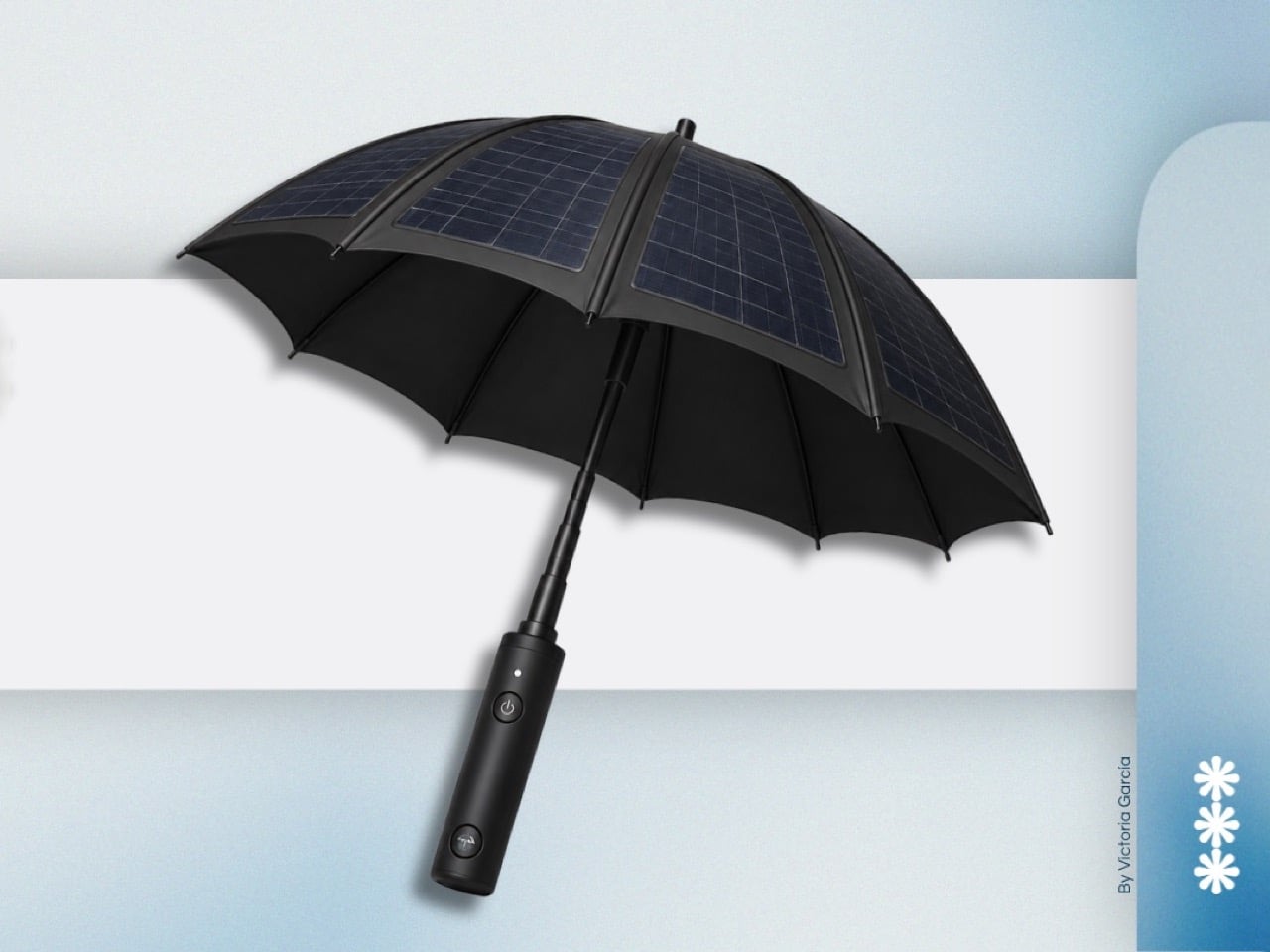

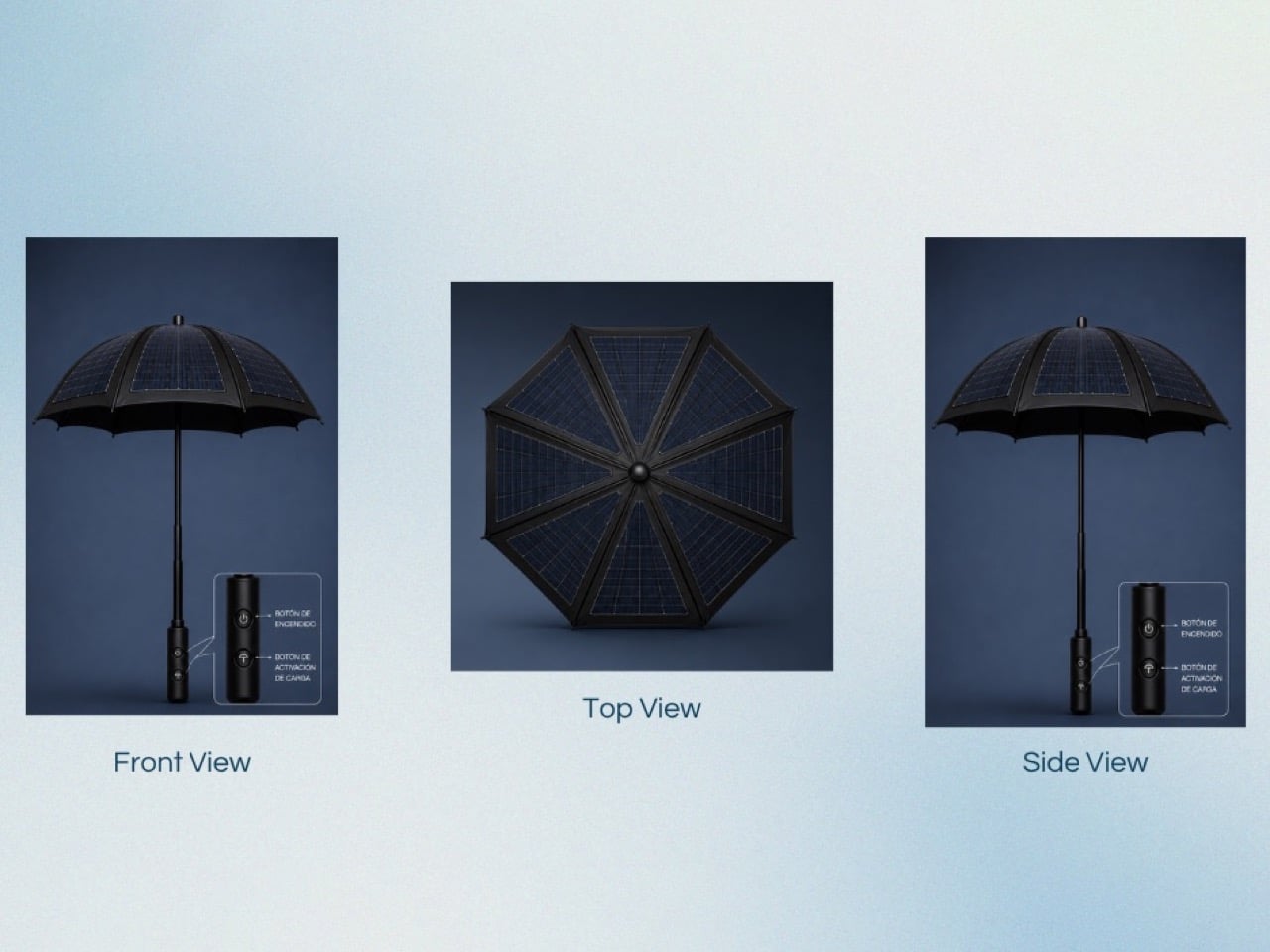

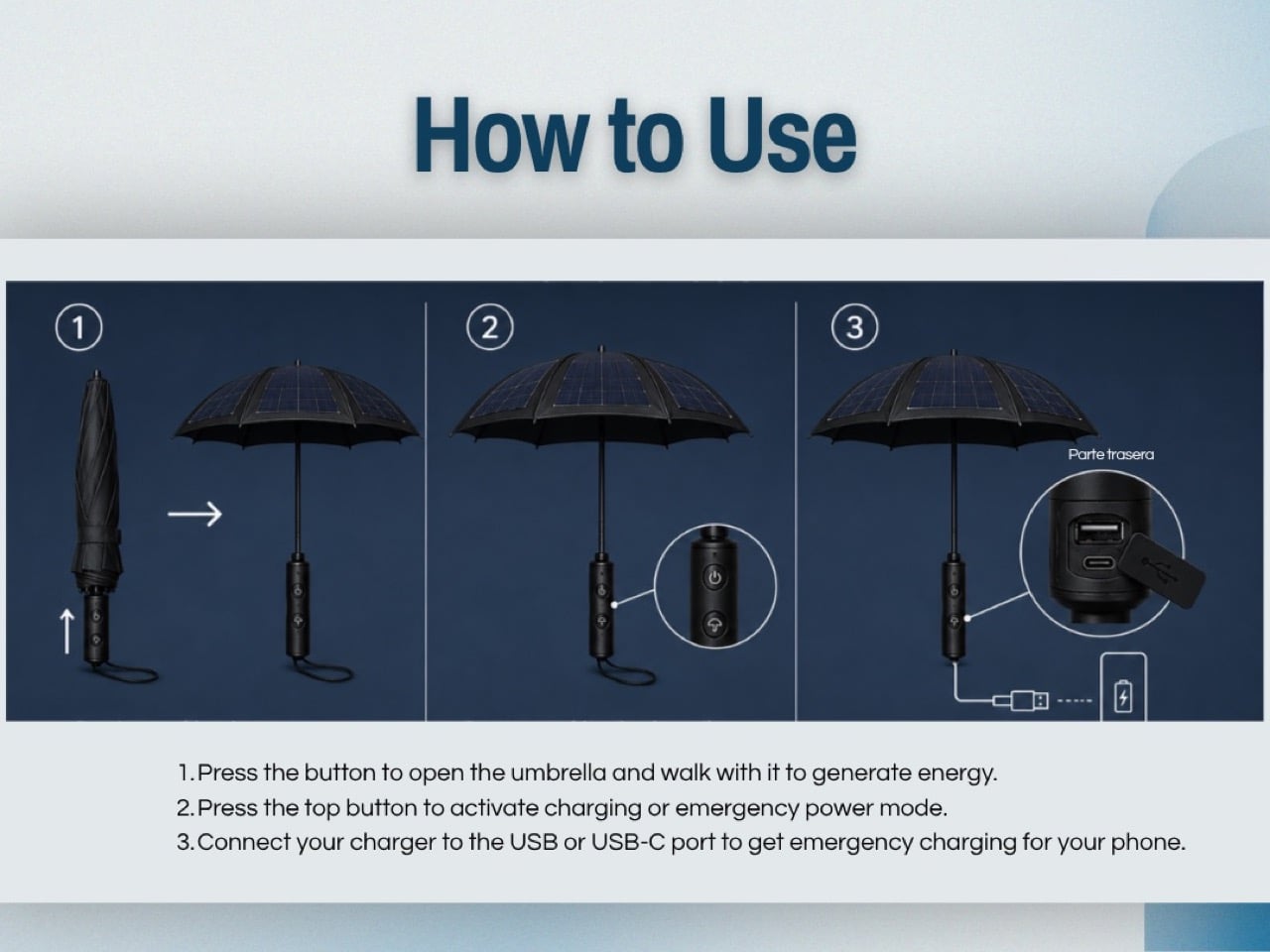
 ETPrime Membership
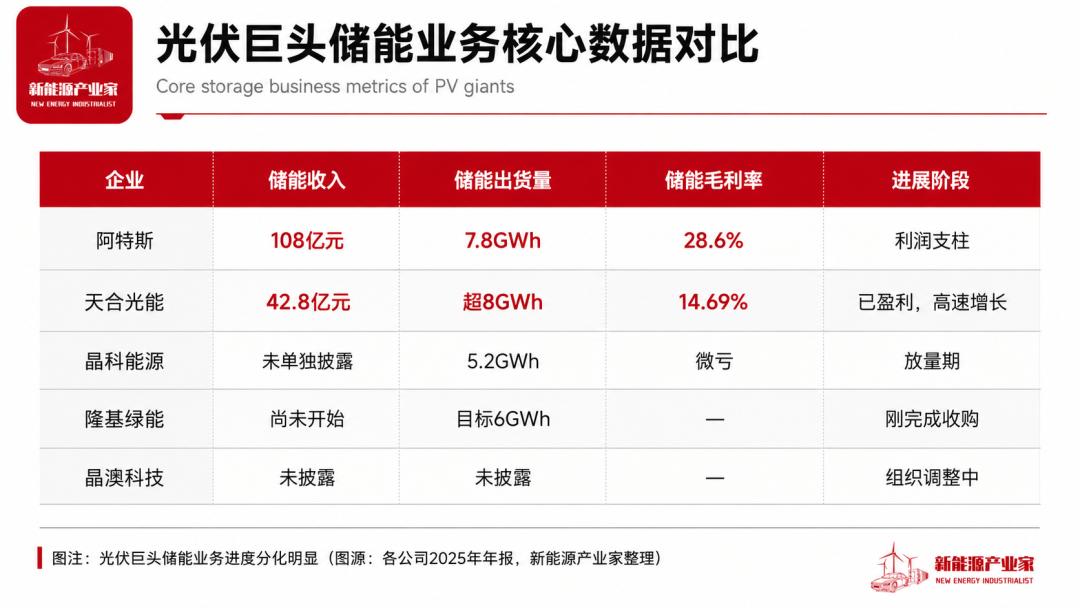


You must be logged in to post a comment.