The Solar Markt Group’s hybrid power plant, consisting of a solar farm with a peak capacity of 70 megawatts and an 80-megawatt-hour energy storage system, has begun operating in Hódmezővásárhely (southeastern Hungary). The investment—developed without state subsidies on a commercial basis at a cost of approximately 28 billion forints (around 76.7 million euros)—is part of the company’s decarbonization portfolio with a total capacity of 140 megawatts. Imre Mécs, chairman of the Solar Markt Group said: “The investment in Hódmezővásárhely simultaneously serves the goals of domestic decarbonization, strengthening energy independence, and increasing the flexibility of the electricity grid. The exceptionally high-efficiency solar power plant and the associated battery energy storage system together form a state-of-the-art energy system that supports the more efficient use of renewable energy, the smoothing of production fluctuations, and the expansion of the company’s green energy supply.” Solar Markt Group hybrid power plant inauguration in Hódmezővásárhely on September 24, 2026. L-R: Gábor Ferenczi, Péter Márki-Zay, Imre Mécs, James Li, Miklós Mormer, and Anton Raic. Photo: Tibor Rosta/MTI Thanks to its battery backup, the power plant is capable of providing system-level balancing services to MAVIR in real time, thereby increasing grid stability. The system feeds the stored electricity into the grid when grid load and market demand are at their highest—such as during the evening peak period—thereby directly reducing the country’s dependence on imports and the need for fossil fuel power plants, the company said. Grid connection is provided by a 40.32 MVA substation. The energy storage system consists of eight dedicated units, capable of delivering a total output of 40 MW and a capacity of 80 MWh. The system can feed its full stored capacity into the grid within two hours if necessary, effectively smoothing out fluctuations in generation, according to the technical details of the project. E.ON is responsible for the automated commercial optimization of electricity market and grid scheduling; and STEM, a San Francisco-based publicly traded company, provides AI-based energy storage and optimization, as well as the integration of individual units, which facilitates continuous, real-time data communication with the grid dispatch center and automatically decides when to initiate charging, storage, or feed-in cycles based on market prices and grid stability requirements. At the commissioning of the power plant, representatives of Sungrow—one of the world’s largest manufacturers of solar inverters and energy storage systems and a company listed on the Shenzhen Stock Exchange—signed a strategic agreement with the Solar Markt Group.
Minnesota Wisconsin Illinois Iowa Michigan Pennsylvania Ohio New York National Outdoor News 2027 Sportsman’s Calendar Outdoor News Subscriptions Majestic Whitetail Outdoor News Logo T-Shirt Home » National News » Solar farm pact protects prairie chickens in Wisconsin’s Buena Vista Wildlife Area A large solar farm under construction in Portage County’s town of Grant isn’t expected have a significant effect on Wisconsin’s largest population of greater prairie chickens, despite being built right next to the Buena Vista Wildlife Area. A 2025 agreement between the Wisconsin Wildlife Federation (WWF) and Vista Sands Solar is expected to protect Buena Vista’s greater prairie chickens from the solar farm project, said Andy Lewandowski, of Muskego, a member of the Wisconsin Wildlife Federation board of directors. Create a free account below to get instant access to this article, thousands of Outdoor News stories, and our digital editions. Your 1-month trial starts the moment you sign up. No credit card required Subscriber? Login Here. Subscription plans starting at $6. The Wisconsin Department of Natural Resources (DNR) announced that with the sale of the GEF2 building on Webster Street in As far as John Mathys is concerned, there’s nowhere he rather be than with his dogs and horses in a It’s harvest season, and oh what a harvest it will be. According to the federal government, America’s farmers will pick 3350 Annapolis Lane N, Ste B Plymouth, MN 55447 Sign up for the Outdoor News Weekly Newsletter and get 2 months of FREE access to OutdoorNews.com – packed with hunting, fishing, and conservation news. No Catch. This offer includes digital access only (not the printed edition) We’ve simplified things. Now you only need one password to access all your Outdoor News digital content. If you hit the help page, follow the directions so you don’t miss out on any of our great content. Let’s get you reading! We’ve simplified things. Now you only need one password to access all your Outdoor News digital content. • Click Continue below. • You’ll be taken to the OutdoorNews.com sign-in screen. • Don’t have an account yet? Create one—it’s quick! • After signing in, click the E-Edition Login button again. When the pop-up appears, just click Continue. You’ll either: If you hit the help page, follow the directions so you don’t miss out on any of our great content. We know you love the outdoors—now we want to make OutdoorNews.com the ultimate destination for all things hunting, fishing, and conservation. Take our brief 3 minute survey to share your thoughts, and help us build the best outdoor website on the planet. As a thank you, we’ll send you a special offer! Together, we can make OutdoorNews.com even better. For a limited time, you can get full access to breaking news, all original Outdoor News stories and updates from the entire Great Lakes Region and beyond, the most up-to-date fishing & hunting reports, lake maps, photo & video galleries, the latest gear, wild game cooking tips and recipes, fishing & hunting tips from pros and experts, bonus web content and much, much more, all on your smartphone, tablet or desktop For just a buck per month! Some restrictions apply. Not valid with other promotions. $1 per month for 6 months (you will be billed $6) and then your subscription will renew at standard subscription rates. For more information see Terms and Conditions. This offer only applies to OutdoorNews.com and not for any Outdoor News print subscriptions. Offer valid thru 3/31/23. Already a subscriber to OutdoorNews.com? Click here to login.
Energies Media Bone white limestone bakes under a southern Sicilian sky, and a floor that bright is supposed to hand free electricity to the back of every panel in the field. The rear glass catches that bounce and converts it. Most project models assign the bonus a rough round number and move on. Two operating farms measured what actually comes back off the ground, string by string. So why do rear-face estimates keep missing, and what does the soil underneath have to do with it? A bifacial panel is a two sided collector. The front face catches direct sunlight. The rear face catches whatever bounces back from the ground, neighboring panels and a cloudy sky, a quality the industry calls ground albedo, and albedo is the hard part to model because it depends on soil color, grass cover, gravel, dust and the geometry of every row around it. The standard approach estimates albedo as a single flat number for the whole site, multiplies it by a bifaciality factor printed on the module datasheet, and calls it done. That shortcut made sense when bifacial panels were a niche product and a one percent modeling error was inside the noise. But bifacial technology has now crossed 90 percent of the global module market, meaning nearly every new utility scale plant relies on the same rough estimate to close its financing. Ground albedo is not uniform across a site. It varies row by row, hour by hour and season by season, and a model that flattens that variation into one figure will be wrong in ways that compound across a twenty-year contract. The study examined two multi-MW solar plants in southern Sicily, equipped with monocrystalline silicon bifacial modules on single axis tracking systems aligned north to south. That configuration is now the global industry standard for utility scale solar: trackers sweep the panel face through the day, following the sun’s arc from east to west, while the north-south axis maximizes the afternoon sweep. Sicily is a near-textbook site for testing this hardware. Sitting at roughly 37 degrees north, the sun angles are steep for much of the year. The pale limestone and clay soils push ground albedo far higher than the green-grass default that most European models assume, and those soils dry to near-white in summer, exactly when panels are producing hardest. Working at the stringbox level means the team was not averaging across an entire field. Instead, they were reading the output of small groups of panels at specific row positions, which is precisely where rear-face variation shows up most clearly. The researchers built an optimized energy model at the stringbox level, using data filtering, clear-sky condition selection and numerical estimation of bifaciality factors, calibrated on measurements taken during the first operational months. Their result: the rear-side contribution produced additional energy gains of approximately 5.3 percent. To put that in context, a 10 MW plant generating roughly 17,000 megawatt-hours a year picks up approximately 900 megawatt-hours annually from the rear face alone. At a wholesale price of around 50 dollars per megawatt-hour, that is close to 45,000 dollars a year flowing through a gap that many project models set to zero or round to two percent. The Sicily result arrived from measured hardware, not a modeled scenario, and that distinction carries real weight in a financing conversation. Solar PV plants worldwide have systematically underperformed, with underperformance rates ranging from 7 to 13 percent and triggering multimillion-dollar performance contract disputes. A model that undershoots bifacial gain compounds that gap from day one. The flat-albedo shortcut is not wrong in every setting. On sites with dark soil, dense vegetation or frequent cloud cover, the rear face contributes little and the rough estimate lands close enough. It breaks down on bright, arid surfaces, the very conditions across much of the American Southwest, the Middle East, northern Chile and the Mediterranean basin, which together account for a large share of the world’s utility scale pipeline. Trackers make things worse. A fixed-tilt panel always presents the same geometry to the ground. A tracker changes its angle continuously, so the shadow pattern beneath each row shifts all day and rear irradiance at any given string changes with it. Collapsing that into a single albedo constant was a reasonable shortcut when software could not resolve the geometry. Today it is simply a choice to leave money in the ground. The investors and lenders who sign twenty-year power purchase agreements feel the gap most acutely, because the shortfall compounds over the life of the contract. For a look at how automated construction is closing other cost gaps on solar sites, see how robotics platforms are cutting build costs, a pressure that makes accurate yield modeling even more important when margins are already tight. The Sicily team’s method is not exotic. Working at stringbox resolution simply requires a finer data pipeline than most developers commit to during early-stage modeling, and many operating plants already have the sensors in place. The barrier is not hardware but the willingness to replace a convenient assumption with a measured one before financing closes rather than after the first annual report lands short. The authors calibrated the model only during the first operational months. Longer-term drift in soil albedo as vegetation establishes or dust accumulates differently row by row remains an open question, and the rapid growth of bifacial market share calls for systematic reduction in uncertainty, especially on single axis tracker systems where rear-side irradiation behaves in significantly more complex ways. The honest conclusion is that 5.3 percent is not guaranteed at every bifacial tracked site; it is what two specific Sicilian farms delivered when someone looked carefully enough. For context on what happens when solar output meets peak demand, the story of grid operators under peak load is the other half of the same picture. A plant that models its output accurately is one a grid operator can plan around, and that reliability matters as much as the yield itself. Hugo is an engineer with strong technical expertise. Multilingual from an early age, his writing combines technical clarity with a strong interest in science and energy. Hugo is an engineer with strong technical expertise. Multilingual from an early age, his writing combines technical clarity with a strong interest in science and energy. Hugo is an engineer with strong technical expertise. Multilingual from an early age, his writing combines technical clarity with a strong interest in science and energy.
Vikram Solar has retained the Top Brand PV India recognition in modules for the second consecutive year. September 24, 2026. By EI News Network Vikram Solar Ltd. has been recognised as a Top Brand PV India 2026 in the modules category by Germany-based EUPD Research Sustainable Management GmbH, marking the second consecutive year the company has received the recognition. The Top Brand PV Seal is based on an independent survey of solar installers conducted by EUPD Research, covering customer relationships, customer satisfaction and distribution. Vikram Solar was also recognised as a Top Brand PV India in 2025. Vikram Solar CMD Gyanesh Chaudhary said thar the recognition for the second consecutive year reflects the trust of installers and partners and the company’s commitment to quality, performance and service.
EUPD Research Chief Customer Officer Daniel Fuchs congratulated Vikram Solar, saying that the Top Brand PV Seal reflects installers’ assessment of the brands they work with and recognises the standing the company has established in India’s solar market and clean energy transition.. EUPD Research has been analysing perceptions of PV market intermediaries and end customers for more than two decades. Its Top Brand PV Seal is based on independent installer surveys, market analysis and brand performance indicators. Vikram Solar was also awarded the EcoVadis Platinum Medal at the group level for the second consecutive year. Vikram Solar has an international presence across 39 countries. The company has a network of more than 110 authorised distributors and over 550 dealers in India. Mahindra Susten’s MD Avinash Rao Says India Needs Balanced Energy Mix for Reliable Transition Solar Industry Must Adapt to Integrated Manufacturing Ecosystem: ISMA’s Amit Manohar India on Way to Become RE Superpower over the Next Decade: SunBridge Group Chairman Deep-Tech Startups Must Bridge Commercialisation Gap, Says Shell India’s Debasis Goswami Renewable Procurement Must Become More Flexible, Scalable, Says Dhananjay Kumar, ENGIE
Hosted by Jad Abumrad and Robert Krulwich, Radiolab is a show about curiosity. Where sound illuminates ideas, and the boundaries blur between science, philosophy, and human experience. Unionville High School in Kennett Square and Universal Audenried Charter School in Philadelphia are building solar arrays that will slash their energy bills.
Unionville High School in Kennett Square and Universal Audenried Charter School in Philadelphia are building solar arrays that will slash their energy bills. This story is part of the WHYY News Climate Desk, bringing you news and solutions for our changing region. From the Poconos to the Jersey Shore to the mouth of the Delaware Bay, what do you want to know about climate change? What would you like us to cover? Get in touch.
About a dozen students wearing yellow safety vests watched from the sidewalk as a 6-story-tall crane hoisted a stack of cinder blocks onto the roof of Universal Audenried Charter School in Philadelphia’s Grays Ferry neighborhood. “That thing is tall,” said 18-year-old student Malakai Tim, looking up at the crane. The blocks will be used as weights to keep solar panels from blowing off the roof. “We’re planning on using the panels … for one of our projects.”
The school is one of a growing number in Pennsylvania that have installed solar panels under a state grant program that helps cover the costs. The Solar for Schools program, first funded in 2024, has given grants to 85 schools across the state, including 10 in Philadelphia. Grants cover up to 75% of the solar project costs, or up to $900,000. Proponents say the solar will save schools money on utilities, lower their climate pollution and teach students about careers in renewable energy. The program received $25 million in this year’s state budget. At Audenried, the 350-kilowatt solar array will produce enough power to cover roughly 40% to 50% of the school’s electricity needs, said Micah Gold-Markel, founder of Solar States, the company installing the panels. With the state grant covering half of the cost and a 40% federal tax credit, the school will only pay around $100,000 for the project. This means the project should pay itself off in energy savings in one to two years, Gold-Markel said. Unionville High School in Kennett Square flipped on the switch to its new solar array installed under the program last Friday. The 650 kilowatts of solar power will cover about a quarter of the school’s and district office’s energy needs.
The governor signed a bill Wednesday that was approved by the state legislature as part of the 2026-27 budget. 2 weeks ago Electricity bill savings will add up to cover the upfront cost of the solar array in around seven years, said James Whitesel, director of facilities at the Unionville Chadds Ford School District. This means savings of roughly $75,000 per year — the equivalent of a full-time staff member, he said. “The state grant almost made it like a no-brainer to do it,” Whitesel said. Over the course of 25 years, Whitesel estimates the solar panels should save the Unionville Chadds Ford School District over $1 million. “It’s huge,” he said. The solar projects will also lower the schools’ carbon emissions. Nearly 60% of the electricity mix on the regional grid is produced using climate-polluting natural gas and coal. “It also is about being good stewards of our environment,” Whitesel said. “If we’re using less of those electrical resources, then there’s less that has to be generated to support our site.” “As someone who believes in sustainability, I should put my money and energy where my mouth is,” said Audenried Principal Josh Anderson. At Unionville High School, students in math and science classes will work with real-time power production data from the solar panels and will get up on the roof to see the system in action, Whitesel said. Anderson said the educational benefit of the solar project was a major motivator for Universal Audenried Charter High School’s pursuit of the Solar for Schools grant. “There’s a lot of emerging jobs in basically any hands-on industry, but specifically electronics and electricity,” he said. The solar array on Audenried’s roof will give students in the school’s engineering career and technical education program the chance to learn how to connect, disconnect and service solar panels, Anderson said. The school plans to work with Solar States to create a “solar lab” where students will also gather real-time data on the energy the panels generate. Audenried senior Richie Palillero, 17, said he hopes to work in mechanical or robotics engineering, and that he’s curious about how the new solar panels work. “I’m pretty sure this is interesting to all of us,” he said. Watching the crane lift materials onto the Audenried roof alongside Palillero’s class, Gold-Markel directed students’ attention to the worker operating the crane. “I think he’s making about $80 an hour,” Gold-Markel said. “Guess what the roof workers on this job who are installing the solar are going to make. … $100 an hour.” “Who here wants to make $100 an hour?” he asked. Several students raised their hands. Get daily updates from WHYY News! The free WHYY News Daily newsletter delivers the most important local stories to your inbox. WHYY is your source for fact-based, in-depth journalism and information. As a nonprofit organization, we rely on financial support from readers like you. Please give today. Environmentalists call Mayor Parker’s data center task force insufficient, demand immediate moratorium
The plan aims to expand access to grants and rebates that help people install solar at home. 3 weeks ago Sophia Schmidt covers the environment for WHYY’s PlanPhilly.
Want a digest of WHYY’s programs, events & stories? Sign up for our weekly newsletter. Together we can reach 100% of WHYY’s fiscal year goal
Samudera Logistics Services, a subsidiary of Samudera, has implemented a solar power system at its warehouse facility as part of the company’s broader sustainability and Environmental, Social and Governance (ESG) initiatives. The project entered full operation in June 2026 and comprises 1,216 solar panels with a total installed capacity of 753.92 kWp. According to the company, the system is expected to supply approximately 25–30% of the warehouse’s total electricity demand. All electricity generated by the solar panels will be used for internal operations, reducing dependence on conventional grid power and helping improve energy efficiency across the facility. The project is also expected to support long-term operational cost optimisation through greater use of self-generated renewable energy. Samudera estimates that the solar installation will reduce carbon emissions by approximately 819 tonnes of CO₂ annually. The initiative supports the company’s wider Net Zero Emissions objectives while strengthening the sustainability performance of its logistics operations. Samudera said the project also provides additional value for customers seeking more environmentally responsible supply chain solutions and forms part of its continued efforts to develop greener logistics operations. อัพเดตข่าวสารและบทความที่น่าสนใจในอุตสาหกรรมโลจิสติกส์ก่อนใคร ผ่าน Line Official Account @Logistics Mananger เพียงเพิ่มเราเป็นเพื่อน @Logistics Manager หรือคลิกที่นี่
The project is expected to generate more than 200 gigawatt hours of electricity annually, enough to power more than 21,000 homes and avoid an estimated 96,000 metric tons of carbon dioxide emissions each year, supporting Michigan’s transition to a cleaner energy future. On October 8, NorthStar Clean Energy will host a ribbon-cutting ceremony bringing together project partners, customers, local officials, community leaders and stakeholders to celebrate the project’s completion and recognize the collaboration that made Hart Solar possible. Beyond generating clean energy, the Hart Solar Project is helping strengthen Michigan communities through significant economic investment and local partnerships. The project created more than 300 construction jobs and made significant contributions to Michigan’s economy during development and construction, while also providing a long-term source of tax revenue to support local services and infrastructure. As a result of the project, Hart Township also received roughly $600,000 via EGLE’s Renewables Ready Communities Award Program to fund community improvements that will benefit residents for years to come. Additionally, the CMS Energy Foundation granted a local food bank, Lakeshore Food Club, $100,000 to further support community well-being and access to essential resources. “Hart Solar is an important investment in Michigan’s energy future and demonstrates how strong partnerships can help deliver clean energy solutions to communities across our state,” said Brian Hartmann, President and CEO of NorthStar Clean Energy. “By working with organizations like Executive Energy Services and MPPA, we’re helping meet customer energy goals while strengthening Michigan’s energy infrastructure with additional renewable generation. We’re proud to celebrate the completion of this project and the positive impact it will have on the community for years to come.” For customers, Hart Solar provides a reliable source of renewable energy while helping manage long-term energy costs and support sustainability objectives. “Oakland County and small businesses across Michigan are expected to save on electric supply charges through the Hart Solar Project,” said Robert Bernardi of Executive Energy Services. Through a partnership with NorthStar Clean Energy, Oakland Schools and 45 other public school districts statewide are projected to save approximately $25 million over a 10-year agreement. These savings will allow schools to redirect funds toward students, staff, and core educational priorities while advancing their clean energy goals.” “Hart Solar reflects MPPA’s long-term commitment to helping our Members secure reliable, cost-effective, carbon-free power supply resources that strengthen and diversify their power supply portfolios,” said Patrick Bowland, CEO & General Manager at MPPA. “Through joint action, public power communities of all sizes can share in the economies of scale needed to make utility-scale renewable projects like Hart Solar a practical, long-term resource for the customers and communities they serve.” NorthStar Clean Energy’s commitment is to deliver renewable energy solutions that create lasting value for customers, communities, and the environment. Through partnerships with organizations like Executive Energy Services and MPPA, the project provides clean power, supports local economic growth, and advances Michigan’s transition to a more sustainable energy future.
Connecting decision makers to a dynamic network of information, people and ideas, Bloomberg quickly and accurately delivers business and financial information, news and insight around the world Americas+1 212 318 2000 EMEA+44 20 7330 7500 Asia Pacific+65 6212 1000 Connecting decision makers to a dynamic network of information, people and ideas, Bloomberg quickly and accurately delivers business and financial information, news and insight around the world Americas+1 212 318 2000 EMEA+44 20 7330 7500 Asia Pacific+65 6212 1000
ARTICLE
Fund Managers Unlock More Investments Toward Clean Energy
Fund managers are unlocking more money for renewable energy from the companies they invest, closing in on the lead fossil-fuel projects have in raking in cash.
Among the companies held by public market funds, for every $1 of capital expenditures for oil, natural gas and coal projects, 80 cents went to low-carbon energy supply like solar and wind power at the end of 2025, according to analysis by BloombergNEF. That ratio has been rising for the past few years, but it’s still short of the level that would deliver net-zero emissions.
BNEF’s Energy Supply Fund Ratio (ESFR) 2026 report highlights that asset managers are unlocking an increasing amount of capital for clean energy build out. Fixed income and private markets funds typically have higher ratios, but they support less energy spending than listed equity funds.
The ESFR measures the volume of capital expenditures (capex) enabled by funds in low-carbon assets against the proportion going to fossil fuels. The report includes data for more than 85,000 exchange-traded, mutual and private market funds. It is part of BNEF’s suite of Energy Supply Ratios, which track the climate progress of financial institutions.
Company spending tilts toward clean energy
The latest ESFR analysis shows the ratio of clean energy to fossil-fuel enabled capex rose to 0.8 last year from 0.73 at the beginning of 2024. The raising ratio for public-market pooled investment vehicles shows an increasing tilt toward clean energy.
The main driver was a rise in low-carbon capex for portfolio companies, compared to that of fossil-fuels. Spending on power grids accelerated, translating into $36 billion of fund-enabled capex.
Vanguard and BlackRock dominate enabled energy capex in public market funds. The world’s two largest asset managers enabled more than the remaining top 10 largest managers combined. Their ratios both stayed relatively flat over 2025. European and Asian asset managers have higher ratios than their American peers, but they enable considerably less capex.
Tracker funds give managers less influence over where to put money
Most fund capital supporting energy investments sits in large, diversified funds that track broad stock indexes. Funds tracking the S&P 500 represent half of the 10 largest funds by enabled capex. The ratio of S&P 500 fell in 2025 due to changes in companies included in the index. Companies like natural gas producer Expand Energy joined, while renewable energy equipment manufacturer Enphase Energy exited after its market capitalization fell. Managers offering S&P 500 trackers had to reflect those changes. This illustrates the limited influence managers have on ESFRs for passive funds.
Investors have access to funds with high ratios, but they are typically thematic strategies and account for considerably less capital. For portfolio companies, these funds represent a relatively small pool of capital, although fund inflows have picked up since 2025.
Credit and private market funds biased toward low-carbon investment
Fixed income funds were more strongly biased toward clean energy investments than equity funds. Credit funds enable $1.2 low-carbon capex for every $1 that went into fossil fuels. Lower-carbon companies typically take on more debt than fossil-fuel companies to pay upfront for assets like wind and solar farms. Equity funds have a lower overall ratio of 0.7.
Private markets remain the area where investors can find the cleanest portfolios. They represent the asset class with the highest ESFRs at just over 1.2. Institutional ESFRs vary widely among large private managers, giving investors a broader variety of options than the leading players in public markets. Newer funds tilt more towards clean energy and have more dry powder available to be invested. This should continue to support higher private market ESFRs relative to other asset classes.
Fund managers are unlocking more money for renewable energy from the companies they invest, closing in on the lead fossil-fuel projects have in raking in cash.
Among the companies held by public market funds, for every $1 of capital expenditures for oil, natural gas and coal projects, 80 cents went to low-carbon energy supply like solar and wind power at the end of 2025, according to analysis by BloombergNEF. That ratio has been rising for the past few years, but it’s still short of the level that would deliver net-zero emissions.
BNEF’s Energy Supply Fund Ratio (ESFR) 2026 report highlights that asset managers are unlocking an increasing amount of capital for clean energy build out. Fixed income and private markets funds typically have higher ratios, but they support less energy spending than listed equity funds.
The ESFR measures the volume of capital expenditures (capex) enabled by funds in low-carbon assets against the proportion going to fossil fuels. The report includes data for more than 85,000 exchange-traded, mutual and private market funds. It is part of BNEF’s suite of Energy Supply Ratios, which track the climate progress of financial institutions.
Company spending tilts toward clean energy
The latest ESFR analysis shows the ratio of clean energy to fossil-fuel enabled capex rose to 0.8 last year from 0.73 at the beginning of 2024. The raising ratio for public-market pooled investment vehicles shows an increasing tilt toward clean energy.
The main driver was a rise in low-carbon capex for portfolio companies, compared to that of fossil-fuels. Spending on power grids accelerated, translating into $36 billion of fund-enabled capex.
Vanguard and BlackRock dominate enabled energy capex in public market funds. The world’s two largest asset managers enabled more than the remaining top 10 largest managers combined. Their ratios both stayed relatively flat over 2025. European and Asian asset managers have higher ratios than their American peers, but they enable considerably less capex.
Tracker funds give managers less influence over where to put money
Most fund capital supporting energy investments sits in large, diversified funds that track broad stock indexes. Funds tracking the S&P 500 represent half of the 10 largest funds by enabled capex. The ratio of S&P 500 fell in 2025 due to changes in companies included in the index. Companies like natural gas producer Expand Energy joined, while renewable energy equipment manufacturer Enphase Energy exited after its market capitalization fell. Managers offering S&P 500 trackers had to reflect those changes. This illustrates the limited influence managers have on ESFRs for passive funds.
Investors have access to funds with high ratios, but they are typically thematic strategies and account for considerably less capital. For portfolio companies, these funds represent a relatively small pool of capital, although fund inflows have picked up since 2025.
Credit and private market funds biased toward low-carbon investment
Fixed income funds were more strongly biased toward clean energy investments than equity funds. Credit funds enable $1.2 low-carbon capex for every $1 that went into fossil fuels. Lower-carbon companies typically take on more debt than fossil-fuel companies to pay upfront for assets like wind and solar farms. Equity funds have a lower overall ratio of 0.7.
Private markets remain the area where investors can find the cleanest portfolios. They represent the asset class with the highest ESFRs at just over 1.2. Institutional ESFRs vary widely among large private managers, giving investors a broader variety of options than the leading players in public markets. Newer funds tilt more towards clean energy and have more dry powder available to be invested. This should continue to support higher private market ESFRs relative to other asset classes.
Fund managers are unlocking more money for renewable energy from the companies they invest, closing in on the lead fossil-fuel projects have in raking in cash. Among the companies held by public market funds, for every $1 of capital expenditures for oil, natural gas and coal projects, 80 cents went to low-carbon energy supply like solar and wind power at the end of 2025, according to analysis by BloombergNEF. That ratio has been rising for the past few years, but it’s still short of the level that would deliver net-zero emissions. BNEF’s Energy Supply Fund Ratio (ESFR) 2026 report highlights that asset managers are unlocking an increasing amount of capital for clean energy build out. Fixed income and private markets funds typically have higher ratios, but they support less energy spending than listed equity funds. The ESFR measures the volume of capital expenditures (capex) enabled by funds in low-carbon assets against the proportion going to fossil fuels. The report includes data for more than 85,000 exchange-traded, mutual and private market funds. It is part of BNEF’s suite of Energy Supply Ratios, which track the climate progress of financial institutions.
The latest ESFR analysis shows the ratio of clean energy to fossil-fuel enabled capex rose to 0.8 last year from 0.73 at the beginning of 2024. The raising ratio for public-market pooled investment vehicles shows an increasing tilt toward clean energy. The main driver was a rise in low-carbon capex for portfolio companies, compared to that of fossil-fuels. Spending on power grids accelerated, translating into $36 billion of fund-enabled capex. Vanguard and BlackRock dominate enabled energy capex in public market funds. The world’s two largest asset managers enabled more than the remaining top 10 largest managers combined. Their ratios both stayed relatively flat over 2025. European and Asian asset managers have higher ratios than their American peers, but they enable considerably less capex. Most fund capital supporting energy investments sits in large, diversified funds that track broad stock indexes. Funds tracking the S&P 500 represent half of the 10 largest funds by enabled capex. The ratio of S&P 500 fell in 2025 due to changes in companies included in the index. Companies like natural gas producer Expand Energy joined, while renewable energy equipment manufacturer Enphase Energy exited after its market capitalization fell. Managers offering S&P 500 trackers had to reflect those changes. This illustrates the limited influence managers have on ESFRs for passive funds. Investors have access to funds with high ratios, but they are typically thematic strategies and account for considerably less capital. For portfolio companies, these funds represent a relatively small pool of capital, although fund inflows have picked up since 2025.
Fixed income funds were more strongly biased toward clean energy investments than equity funds. Credit funds enable $1.2 low-carbon capex for every $1 that went into fossil fuels. Lower-carbon companies typically take on more debt than fossil-fuel companies to pay upfront for assets like wind and solar farms. Equity funds have a lower overall ratio of 0.7. Private markets remain the area where investors can find the cleanest portfolios. They represent the asset class with the highest ESFRs at just over 1.2. Institutional ESFRs vary widely among large private managers, giving investors a broader variety of options than the leading players in public markets. Newer funds tilt more towards clean energy and have more dry powder available to be invested. This should continue to support higher private market ESFRs relative to other asset classes. BloombergNEF clients can access the full report here, which includes institution and fund-level analysis. An abridged version of the report is available at this link.
From cooler soil to paid grazing land, farmers in the US are finding that solar panels can do more than generate power. Traditionally, solar panel farms are quiet — save for the faint hum of the inverter. But on about one in 10 of American solar farms, there’s a new sound reverberating through fields: baaaa. Letting sheep roam under solar panels is just one of many forms of a burgeoning strategy called agrivoltaics, where crops grow or livestock graze in tandem with renewable energy infrastructure. It’s not only of potential benefit for the animals, which get additional shade. The panels can also protect crops from the elements as well as divert water to them, creating cooler, damper conditions that even boost yields. And even the solar panels themselves tend to respond well to this co-existence — as the cooler they are, the more electricity they produce per watt of sunlight. “Having concrete or something underneath the solar panels — you’re going to have lower efficiency than having something like plants that are transpiring and cooling off on the land surface,” Carl Bernacchi, professor of plant biology and crop sciences at the University of Illinois Urbana-Champaign, told DW. While the potential is enormous, especially as climate change puts more and more heat stress on agriculture, the practice is still in its infancy. In Europe, if agrivoltaics were implemented on just 1% of available agricultural land, the continent could exceed its solar energy targets for 2030. But uptake has been slow: agrivoltaics represents just 18.4 gigawatts of energy worldwide as of mid-2025, less than 1% of the world’s solar capacity. The idea for agrivoltaics dates back to 1981, when two German scientists published an article titled “Kartoffeln unter dem Kollektor” (or “Potatoes beneath the collector”). But the first pilot project didn’t begin until 2004 in Japan, a land-constrained country, where there’s particular concern over balancing solar deployment with the protection of farmland. There are three main types of agrivoltaics: horizontal, where panels look directly up at the sky, vertical, where they’re placed in large rows, perpendicular to the ground, and integrated, often installed atop greenhouses. Research suggests shade-tolerant crops stand to benefit. That includes berries, grapes and tomatoes — where the panels’ steel framing often doubles as trellises — as well as peaches and peppers. The panels can also prevent water from fully evaporating, creating a more humid microclimate that benefits the soil — though humidity is a double-edged sword, sometimes introducing plant disease. Sheep have also proven to be a particularly good match. Compared to cattle or goats, they’re generally easier to manage around solar infrastructure, less likely to damage equipment, and small enough to fit comfortably beneath panels. The practice has other sustainability upsides too: sheep manure fertilizes the soil, and sites require less herbicide. “If we look at the sheep industry, this has been a real paradigm shift for them, where instead of having to pay to lease land to graze their animals — now they’re actually getting paid to graze,” said Austin Kinzer, an agrivoltaics specialist at the American Farmland Trust conservation movement . “So it completely puts the economics on its head and is a huge opportunity for the sheep industry, which is really struggling in the US pretty much since World War II.” Agrivoltaics sit at a rare intersection of climate mitigation (cutting emissions) and adaptation (adjusting to a warming planet). “It is both, which is pretty unique as far as climate solutions go,” Kinzer said. The practice offers one answer to where solar panels could go, helping to produce cheaper and more efficient energy, while also benefiting crops that might struggle due to rising temperatures or volatile weather. And research suggests that climate change will only make regions grow drier, “broadening areas where agrivoltaics can mitigate crop yield penalties (even boosting yield) and improve overall profitability,” writeresearchers in a journal article for Proceedings of the National Academy of Sciences (PNAS). A dual-income stream can also offer farmers some insurance should temperature or weather knock out a season’s plantings. “Being able to have that alternate form of income, it’s massive for folks who are depending on weather to make their living that is becoming increasingly more extreme and varied,” Kinzer said. To view this video please enable JavaScript, and consider upgrading to a web browser that supports HTML5 video So why has adoption been so slow? “In theory, it’s a win-win scenario,” Bernacchi said. “But of course, with any technologies, there are always caveats and issues.” One reason is that agrivoltaics don’t work everywhere. In America’s arid West, where heat stress and less available water can threaten crops, yields stayed the same or even rose under panels. In the humid Midwest, on the other hand, panel shading limited photosynthesis and led to reduced yields in maize and soybeans. For cash crops, where there’s a very small margin for profit, even a minor reduction in yield is a no-go for many farmers. Then there’s the expense. For solar producers, every added inch to mount panels higher means more labor and steel costs. And farmers might need to find new equipment or change methods to adapt to a new system. “Farmers want to learn from other farmers,” said Kinzer, who works with farmers across the US to see how agrivoltaics are being adopted. “They want to hear from folks who are doing it. And so there’s a little bit of a chicken-and-the-egg problem for farmers: In most cases, they can’t just go across the street or into the next county over and see a project like this and talk to the farmers doing it.” Solar power’s land footprint has made it controversial in certain communities — some farming associations have protested converting farmland into acres of solar panels, arguing their members cease to be farmers and become energy producers instead. It’s a tension agrivoltaics helps to address. One survey found that more than 80% of Americans would be more likely to support solar development in their community, if it allowed for the co-production of energy and agriculture — about 10% more than those that support solar development in general. “There’s this cultural conflict between the farmers who want to farm and the solar companies that want to produce electricity,” Bernacchi said. “And agrivoltaics really does bill itself as sort of a middle ground. You can still farm and still get the electricity from the same land.” To view this video please enable JavaScript, and consider upgrading to a web browser that supports HTML5 video Edited by: Tamsin Walker
The average price of photovoltaic systems in Brazil rose by 7% between January and June 2026 for projects up to 300 kW, according to Greener’s “Distributed Energy Solutions” strategic study. Final system prices ranged from BRL 2.02 ($0.38)/W for 30 kW and 50 kW installations to BRL 3.62/W for 2 kW systems. The survey considers the final price of a PV system, including the equipment kit and integration services. Kit costs are based on price mapping and inquiries with distributors, while final system prices are collected from integrators across Brazil. The difference between the two represents the integration cost, which includes the integrator’s technical and operational margin. For 2 kW systems, the average price reached BRL 3.62/W in June, up from BRL 3.44/W in January. Based on total installed capacity, this corresponds to a system price of approximately BRL 7,200. Meanwhile, 30 kW and 50 kW systems recorded the lowest per-watt prices among the system sizes surveyed, at BRL 2.02/W. This corresponds to total system prices of approximately BRL 60,600 and BRL 101,000, respectively. Larger projects have a lower price per watt but require a higher overall investment. A 300 kW system, for example, had an average price of BRL 2.40/W, equivalent to around BRL 720,000. For a ground-mounted system of the same capacity, the average price reached approximately BRL 834,000. The increase in final system prices came amid a sharper rise in equipment costs. The average price of PV kits for 4 kW systems rose by 18.3% between January and June 2026, from BRL 1.42/W to BRL 1.68/W. The increase varied by system size. For 300 kW systems, the average kit price rose from BRL 1.02/W in January to BRL 1.04/W in June, an increase of 2.0%. For 50 kW systems, it climbed from BRL 1.14/W to BRL 1.24/W, up 8.8%. Greener’s historical data shows that current prices remain well below levels recorded during the earlier stages of Brazil’s distributed solar market. The average price of a 4 kW residential system fell from BRL 7.74/W in January 2017 to BRL 2.91/W in June 2026. For a 50 kW commercial system, the average price declined from BRL 6.06/W to BRL 2.02/W over the same period. The price trends come as Brazil’s distributed generation market lost momentum in the first half of 2026. New connections fell by 16% compared with the same period in 2025, from 488,000 to 411,000, while the number of new consumer units receiving credits dropped by 43%, from 951,000 to 541,000. At the same time, residential systems accounted for a growing share of new installations. The residential segment represented 65% of added capacity in the first half of 2026, up from 39% in 2019, while the commercial segment’s share fell to 19%. The concentration of sales in smaller systems underscores the importance of pricing for residential consumers. In a survey of system integrators, 80% identified residential systems of up to 12 kW as their best-selling category. Commercial systems ranging from 12 kW to 75 kW accounted for 16%, while systems above 75 kW represented 4%. Financing may also influence purchasing decisions. Only 33% of integrators’ sales involved financing in the first half of 2026, down eight percentage points from 2025 and the lowest share recorded during the period analyzed. This content is protected by copyright and may not be reused. If you want to cooperate with us and would like to reuse some of our content, please contact: [email protected]. This content is protected by copyright and may not be reused. If you want to cooperate with us and would like to reuse some of our content, please contact: [email protected]. Comments Please login to comment The new ESS News magazine is here! Download your free digital copy today. The new issue of pv magazine Global is out now! Available in print and digital – get your copy today! Saudi Arabia is accelerating its clean energy transition—join the SunRise Arabia Clean Energy Conference 2026 in Riyadh to explore how solar PV and energy storage are powering its digital economy. pv magazine USA hosts its multi-day virtual event on U.S. solar and energy storage, covering domestic manufacturing, distributed energy and the growing role of solar-plus-storage in meeting AI-driven power demand. Monday, October 26, 2026 10:30 am – 11:30 am CEST, Berlin, Paris, Madrid Giovedì, 1 ottobre 2026 14:30 – 15:30 CEST, Roma
India added 50.6 GW of solar module and 9.7 GW of cell manufacturing capacity in the first half (1H) of 2026, taking its cumulative solar module manufacturing capacity to 261.7 GW and cell manufacturing capacity to 36.6 GW as of June 2026, according to Mercom India’s recently released report, State of Solar PV Manufacturing in India 1H 2026. As of the report’s release, cumulative module capacity under the Approved List of Models and Manufacturers (ALMM) List-I stood at 225.5 GW, against nearly 35.5 GW of cumulative cell capacity under ALMM List-II. “Domestic cell shortages have become the biggest near-term challenge for India’s solar market. Module capacity has expanded rapidly, but cell supply has not kept pace, tightening availability and pushing up prices for compliant modules and sharply slowing project activity. Many module manufacturers are struggling to maintain production because of limited domestic cell availability,” said Raj Prabhu, CEO at Mercom Capital Group. Prabhu said that the installed cell capacity overstates actual availability, as new lines take months to reach stable commercial production. ALMM List-II has intensified the pressure by increasing dependence on domestic cell supply before enough capacity was commercially available. TOPCon accounted for 80% of the total ALMM-listed module manufacturing capacity as of June 2026, followed by monocrystalline PERC/TOPCon at 11% and mono PERC at 4%. HJT accounted for 3%, while thin-film technology represented 2% of the total ALMM-listed capacity. “Until commercially available cell supply catches up with demand, the entire industry will remain under pressure, with manufacturers facing production constraints and developers facing commissioning delays,” added Prabhu. Gujarat remained the most favorable destination for solar module manufacturing, accounting for nearly 45% of the cumulative capacity as of June 2026. Rajasthan and Tamil Nadu followed with module production capacities of 26.1 GW and 23.4 GW. Gujarat also held the largest annual solar cell production capacity at 37%. Tamil Nadu and Telangana were other top states, with capacities of 4.3 GW and 4.2 GW, respectively. In 1H 2026, India’s imports of solar cells and modules increased 18% compared to 1H 2025. Cells accounted for 81% of total imports, while modules accounted for 19%. The U.S. remained India’s largest solar export destination in 1H 2026, accounting for 92% of total exports. This content is protected by copyright and may not be reused. If you want to cooperate with us and would like to reuse some of our content, please contact: [email protected]. This content is protected by copyright and may not be reused. If you want to cooperate with us and would like to reuse some of our content, please contact: [email protected]. Comments Please login to comment The new ESS News magazine is here! Download your free digital copy today. The new issue of pv magazine Global is out now! Available in print and digital – get your copy today! Saudi Arabia is accelerating its clean energy transition—join the SunRise Arabia Clean Energy Conference 2026 in Riyadh to explore how solar PV and energy storage are powering its digital economy. pv magazine USA hosts its multi-day virtual event on U.S. solar and energy storage, covering domestic manufacturing, distributed energy and the growing role of solar-plus-storage in meeting AI-driven power demand. Monday, October 26, 2026 10:30 am – 11:30 am CEST, Berlin, Paris, Madrid Giovedì, 1 ottobre 2026 14:30 – 15:30 CEST, Roma
Cultivate Power’s Bowes Solar array in Elgin will provide lower cost electric service to 580 low- and moderate-income households, three small businesses, two towns and a church. (Cultivate Power photo) A newly opened 22-acre solar farm in Elgin will benefit 580 low- and moderate-income households and other electric customers in the area. The ribbon-cutting on Cultivate Power’s sprawling Bowes solar farm was held Thursday. The distributed solar and storage project consists of two installations. Each will generate clean, locally sourced and non-carbon-based electricity that will be distributed over Commonwealth Edison wires. Aimed at saving customers 20 percent on energy charges, the project will also benefit several larger customers, including three small businesses, two towns and a church. Cultivate Power officials say that collectively subscribers will save $13.9 million on their ComEd bills during the next 40 years. Besides providing lower-cost electric service to some residents, the project will provide donations to several local interests. Cultivate Power says it is contributing $575,000 in financial support to Elgin Community College and Food for Greater Elgin, which is a member agency of the Northern Illinois Food Bank. Other beneficiaries include Friends of the Fox River, We Care Solar, the Evolve Foundation, and Sesenergi Eco Solutions’ workforce training programs. The Bowes project site will pay an estimated $2.1 million in property taxes over its 40-year lifetime, directly benefiting School District U-46 and other government units. In addition, construction of the facility employed more than 75 individuals, including 49 union laborers. There are two ways residential and commercial electric customers can access solar power – installed rooftop photovoltaic panels and distributed solar and storage projects combining small-scale solar panel arrays with battery systems. Such systems, built close to where customers are located, help to lower electric supply costs and ensure better electrical grid reliability. Elgin officials expressed satisfaction with the solar project. “In Elgin, we are very deliberate about our land use planning and ensuring that our growth fits the nature of the community,” said Marc Mylott, the city’s community development director. “Cultivate Power was willing and able to develop despite the site’s encumbrances, creating a productive use of the land that generates property taxes and local electricity with limited disturbance to the surrounding community.” Chicago-based Cultivate Power has been developing distributed solar and storage projects across Illinois since 2022, with 14 projects up and running, and 20 more under construction. Cultivate says it “operates on the belief that clean power generation can play a key role in cultivating healthy, economically robust communities.” Brian Matthay, Cultivate Power’s managing director and co-founder, said the Bowes Solar project is a “significant milestone” for his company. “With this step, we’re cementing our long-term commitment to Illinois and to the goals of (the Climate and Equitable Jobs Act, and Clean and Reliable Grid Affordability Act) to expand clean energy access and drive local economic growth,” he said. There were numerous challenges Cultivate had to overcome in the planning and development of the Bowes project, including adjacent train tracks, high-voltage power lines, an irregular footprint and a corner wetland that had frustrated previous development efforts. The company adapted its design to work within constraints, including using high-density racking technology from Planted Solar to enable a higher megawatt density per acre. Dale Player, vice president of engineering and smart grid for ComEd, said efforts like the Bowes project “demonstrate how thoughtful engineering and strong collaboration can unlock new opportunities for clean energy, even on sites with unique development challenges.” “By connecting more locally generated energy to the grid, we’re helping expand customer access to affordable renewable energy while continuing to maintain the reliable service our communities depend on,” he said. “Our goal on every project is to ensure clean energy delivers tangible, local value beyond the grid benefits,” said Noah Hyte, Cultivate Power’s other managing director and co-founder. “Whether it’s lowering electricity bills for local families, supporting Elgin schools and nonprofits or creating local construction jobs, Bowes Solar reflects our deep commitment to strengthening the communities where we operate.” While CEJA and CRGA cover an array of goals and priorities, the bottom line is eliminating reliance on fossil fuels and natural gas. The Climate and Equitable Jobs Act, passed in 2021, mandates a shift to 100-percent carbon-free energy by 2045, with the retirement of coal-fired generation units by 2030 and natural gas units by 2045. At the same time, it prioritizes “economic equity and workforce development.” The Clean and Reliable Grid Affordability Act, which was signed by Gov. J.B. Pritzker on Jan. 8, and took effect June 1, focuses on energy initiatives, including creating the Geothermal Homes and Businesses Incentive Program, and a Solar Bill of Rights for municipal and cooperative utility customers. Cultivate Power has been involved in renewable energy development and financing since 2008. More than 10,000 Illinois households are saving on their ComEd or Ameren electric bills by subscribing to solar projects developed by Cultivate Power.
The transformation of EL POLI by meii estudio gives La Unión’s municipal sports center in Murcia, Spain, a new architectural and energetic identity. The intervention at La Unión’s municipal sports center, locally known as EL POLI, is structured around two complementary elements that redefine a beloved local landmark, with a primary focus on both energy production and consumption.
A vivid lime-green entrance creates a clear and welcoming gateway to the complex, while a folded photovoltaic canopy rises above the stands, its geometry shaped by the sun. Together, these two interventions generate renewable energy, improve comfort, and establish a bold new presence within La Unión’s distinctive mining landscape.
The centrepiece of the project transforms a pure energy infrastructure into a striking architectural element. Designed by Murcia-based architectural practice meii estudio, to maximise solar energy production, its form is driven entirely by function: the optimal south-facing orientation and inclination of the photovoltaic panels, calculated precisely to the latitude of La Unión, generate a sequence of folded planes with a distinctive sawtooth profile.
Constructed using a robust three-dimensional steel structure and clad in blue metal sheeting, LA PÉRGOLA constantly shifts in appearance as natural light evolves. This creates a vibrant visual dialogue with the green ceramic entrance building while providing essential shade for the existing football stands.
Together, the lime-green entrance and the dynamic blue solar canopy succeed on multiple levels: they supply clean, renewable energy to the complex, improve user comfort, and forge a powerful new architectural identity for La Unión.
EL POLI is La Unión’s municipal sports center in Murcia, Spain lime-green ribbed ceramic tiles clad the entrance building’s ventilated facade the green ceramic facade contrasts with La Unión’s mining landscape
LA PÉRGOLA rises above the existing football stands as a photovoltaic canopy the canopy’s folded geometry is shaped by the optimal orientation of its solar panels blue metal sheeting gives LA PÉRGOLA its changing visual character a sequence of folded planes creates LA PÉRGOLA’s distinctive sawtooth profile
a three-dimensional steel structure supports the photovoltaic canopy LA PÉRGOLA provides shade for the existing football stands the project combines energy production with improvements to user comfort
designboom has received this project from our DIY submissions feature, where we welcome our readers to submit their own work for publication. See more project submissions from our readers here.
Reporter DW (Deutsche Welle) September 26, 2026 | 04:31 pm TEMPO.CO, Jakarta – Traditionally, solar panel farms are quiet — save for the faint hum of the inverter. But on about one in 10 American solar farms, there’s a new sound reverberating through fields: baaaa. Letting sheep roam under solar panels is just one of many forms of a burgeoning strategy called agrivoltaics, where crops grow or livestock graze in tandem with renewable energy infrastructure. It’s not only of potential benefit for the animals, which get additional shade. The panels can also protect crops from the elements as well as divert water to them, creating cooler, damper conditions that even boost yields. And even the solar panels themselves tend to respond well to this co-existence — as the cooler they are, the more electricity they produce per watt of sunlight. “Having concrete or something underneath the solar panels — you’re going to have lower efficiency than having something like plants that are transpiring and cooling off on the land surface,” Carl Bernacchi, professor of plant biology and crop sciences at the University of Illinois Urbana-Champaign, told DW. While the potential is enormous, especially as climate change puts more and more heat stress on agriculture, the practice is still in its infancy. In Europe, if agrivoltaics were implemented on just 1 percent of available agricultural land, the continent could exceed its solar energy targets for 2030. But uptake has been slow: agrivoltaics represents just 18.4 gigawatts of energy worldwide as of mid-2025, less than 1 percent of the world’s solar capacity. The idea for agrivoltaics dates back to 1981, when two German scientists published an article titled “Kartoffeln unter dem Kollektor” (or “Potatoes beneath the collector”). But the first pilot project didn’t begin until 2004 in Japan, a land-constrained country, where there’s particular concern over balancing solar deployment with the protection of farmland. There are three main types of agrivoltaics: horizontal, where panels look directly up at the sky, vertical, where they’re placed in large rows, perpendicular to the ground, and integrated, often installed atop greenhouses. Research suggests shade-tolerant crops stand to benefit. That includes berries, grapes and tomatoes — where the panels’ steel framing often doubles as trellises — as well as peaches and peppers. The panels can also prevent water from fully evaporating, creating a more humid microclimate that benefits the soil — though humidity is a double-edged sword, sometimes introducing plant disease. Sheep have also proven to be a particularly good match. Compared to cattle or goats, they’re generally easier to manage around solar infrastructure, less likely to damage equipment, and small enough to fit comfortably beneath panels. The practice has other sustainability upsides too: sheep manure fertilizes the soil, and sites require less herbicide. “If we look at the sheep industry, this has been a real paradigm shift for them, where instead of having to pay to lease land to graze their animals — now they’re actually getting paid to graze,” said Austin Kinzer, an agrivoltaics specialist at the American Farmland Trust conservation movement . “So it completely puts the economics on its head and is a huge opportunity for the sheep industry, which is really struggling in the U.S. pretty much since World War II.” Agrivoltaics sit at a rare intersection of climate mitigation (cutting emissions) and adaptation (adjusting to a warming planet). “It is both, which is pretty unique as far as climate solutions go,” Kinzer said. The practice offers one answer to where solar panels could go, helping to produce cheaper and more efficient energy, while also benefiting crops that might struggle due to rising temperatures or volatile weather. And research suggests that climate change will only make regions grow drier, “broadening areas where agrivoltaics can mitigate crop yield penalties (even boosting yield) and improve overall profitability,” write researchers in a journal article for Proceedings of the National Academy of Sciences (PNAS). A dual-income stream can also offer farmers some insurance should temperature or weather knock out a season’s plantings. “Being able to have that alternate form of income, it’s massive for folks who are depending on weather to make their living that is becoming increasingly more extreme and varied,” Kinzer said. So why has adoption been so slow? “In theory, it’s a win-win scenario,” Bernacchi said. “But of course, with any technologies, there are always caveats and issues.” One reason is that agrivoltaics don’t work everywhere. In America’s arid West, where heat stress and less available water can threaten crops, yields stayed the same or even rose under panels. In the humid Midwest, on the other hand, panel shading limited photosynthesis and led to reduced yields in maize and soybeans. For cash crops, where there’s a very small margin for profit, even a minor reduction in yield is a no-go for many farmers. Then there’s the expense. For solar producers, every added inch to mount panels higher means more labor and steel costs. And farmers might need to find new equipment or change methods to adapt to a new system. “Farmers want to learn from other farmers,” said Kinzer, who works with farmers across the US to see how agrivoltaics are being adopted. “They want to hear from folks who are doing it. And so there’s a little bit of a chicken-and-the-egg problem for farmers: In most cases, they can’t just go across the street or into the next county over and see a project like this and talk to the farmers doing it.” Solar power’s land footprint has made it controversial in certain communities — some farming associations have protested converting farmland into acres of solar panels, arguing their members cease to be farmers and become energy producers instead. It’s a tension agrivoltaics helps to address. One survey found that more than 80 percent of Americans would be more likely to support solar development in their community if it allowed for the co-production of energy and agriculture — about 10 percent more than those that support solar development in general. “There’s this cultural conflict between the farmers who want to farm and the solar companies that want to produce electricity,” Bernacchi said. “And agrivoltaics really does bill itself as sort of a middle ground. You can still farm and still get the electricity from the same land.” Read: Nepal Paying the Price of Climate Change, PM Says Click here to get the latest news updates from Tempo on Google News Recommended BMKG Weather Forecast: Indonesia to See Some Rain Today 12 hours ago Nepal Paying the Price of Climate Change, PM Says 1 days ago Seafood Demand Threatens Migratory Bird Habitats, Study Finds 1 days ago Two New Islands Form Near Anak Krakatau After Eruptions 1 days ago Indonesia Cracks Down on 300 Ha of Illegal Oil Palm Plantations in Bengkulu 2 days ago Today’s Top 3 News: Suffocating Haze in Malaysia, El Nino Excess Deaths 2 days ago How Big Is the Fire Ravaging Mount Merapi? 2 days ago How El Nino Is Shaping Tropical Storms Worldwide 3 days ago Fire Breaks Out on Mount Rinjani’s Torean Hiking Trail 3 days ago Jakarta Expands E-Waste Drop Boxes to Schools 3 days ago Data Centers, Solar Panels Expected to Drive Global Tin Demand 11 Juni 2026 Global tin demand has been relatively stable, as it is largely used for industrial purposes, particularly electronics. Few Buyers at Home 25 Mei 2026 National solar panel factories run far below capacity. Demand at home remains limited. Few Buyers at Home 20 Mei 2026 National solar panel factories run far below capacity. Demand at home remains limited. Solar Is Winning the Energy Race 28 Maret 2026 The world’s cheapest power source is scaling at warp speed, pushing coal, gas, and nuclear aside. Harvesting the Blessings of Solar Energy 17 Maret 2026 Solar panels help the Wali Barokah Islamic Boarding School save money. Yet rules still hinder the use of surplus electricity Industry Minister Launches Indonesia’s Largest Solar Panel Factory in Kendal SEZ 19 Juni 2025 Minister of Industry Agus Gumiwang Kartasasmita inaugurated the opening of the largest solar cell and solar panel factory in Indonesia. Indonesia’s Pertamina Sets Up Solar Factory to Export Clean Energy to Singapore 19 Juni 2025 Pertamina will build a solar panel factory with a Chinese partner to support the export of up to 3.4 gigawatts of green electricity to Singapore. Solar Puts Us in Fast Lane to 100% Renewables 18 Mei 2025 A massive increase in solar power generation capacity is already putting Australia on the fast track to a 100 percent renewable energy future. United States Manufacturer Commences US$500m Factory Construction at Indonesia’s Batang Industrial Park 2 Oktober 2024 SEG Solar, a United States-based photovoltaic module manufacturer, is the first investor to commence construction in Batang Integrated Industrial Park PLN Launches Largest ‘Ground-Mounted’ Solar Power Plant in West Java 30 Agustus 2024 PT PLN, in collaboration with PT Aruna Cahaya Pratama (Aruna PV), has successfully launched Indonesia’s largest ground-mounted solar power plant. Popular FIFA ASEAN Cup: Malaysia Cruise Past Bangladesh 3-0 23 hours ago Lula or Bolsonaro as President? Brazil Gears up to Vote 11 hours ago Mary Jane Veloso Is Free: Who She Is and What Her Pardon Means for Others 8 hours ago Yemeni Leader Calls for General Mobilization Against Houthis 5 hours ago Iraq Suspends Flights to and From Iran 22 hours ago FIFA ASEAN Cup: Indonesia Claim 2-0 Victory Over Singapore 22 hours ago Clashing on All Fronts 10 hours ago Malaysia, Indonesia Establish Joint Halal Council 21 hours ago ‘Avengers: Endgame Encore’: How the New Scenes Connect to ‘Doomsday’ 23 hours ago BNPB Chief Apologizes for Calling Kalimantan Haze Situation ‘Normal’ 20 hours ago Latest TikTok Agrees to Settle with Alabama State Over Teen Safety 19 minutes ago How Much Power Do Data Centers Consume in Indonesia? 53 minutes ago Who Dominates Indonesia’s Creative Economy Workforce? 1 hours ago Riau DPRD Member Named Suspect in Illegal Deforestation Case 2 hours ago Today’s Top 3 News: Indonesia Beats Singapore, ‘Avengers: Endgame Encore’ New Scenes 2 hours ago Indonesia Respects Philippines’ Decision to Pardon Mary Jane 3 hours ago Deadly Blast Rips Through Athens Building Near Acropolis 3 hours ago Why Farmers Are Pairing Crops with Solar Panels 4 hours ago How QRIS Opens Doors for Indonesian Businesses Abroad 4 hours ago Russian National Reportedly Missing in Bali, Basarnas Conducts Search 5 hours ago Information Trustworthy News Media Network Social Media Download Tempo App
Queens, New York, has implemented an innovative solar energy project featuring vertical bifacial panels on a green roof. This 100-kilowatt system is designed to generate about 120,000 kilowatt-hours of electricity annually. The approach allows for sunlight and rain to nourish the vegetation underneath. Additionally, the vertical design helps maintain stormwater retention while generating renewable energy. The project exemplifies how cities can integrate solar solutions with green spaces effectively. (Catch all the Business News, Breaking News, and Latest News Updates on The Economic Times.) Subscribe to The Economic Times Prime and read the ET ePaper online. (Catch all the Business News, Breaking News, and Latest News Updates on The Economic Times.) Subscribe to The Economic Times Prime and read the ET ePaper online.
Over 1 million readers this year! Over 1 million readers this year! Cap City News Cheyenne, Wyoming Community News Stream. CHEYENNE, Wyo. — The Belvoir Ranch has long been identified as a potential site of energy developments, and its owner, the City of Cheyenne, appears to be nearing a deal to make another possible. Prospective developer Hanwha Renewables has identified an area on the ranch for a potential solar development and wants to secure an agreement to get the project started. The Belvoir Ranch is an 18,800-acre property west of town that has slowly been built for recreation, energy development, water storage and more. It fits loosely between the Union Pacific Railroad and Interstate 80, with a portion of the area known as The Big Hole stretching down as far as the Wyoming–Colorado border. Since the city began planning out the ranch’s future in earnest in 2008, a large chunk of the property’s area has been dedicated to wind energy. A 2024 master plan update reaffirmed the city’s commitment to using large chunks of the land for energy, highlighting solar specifically as a potential use. Hanwha Renewables, the renewable energy branch of the massive Korean corporation Hanwha, has recently taken action to realize the city’s goals. The company is the same developer as the South Cheyenne Solar Project, a 150-megawatt solar project in south Laramie County that opened in 2024. Hanwha Renewables representatives have returned to the county, now with their eyes on Belvoir. One employee, associate development manager Tyler Nokelby, said the company is looking to develop a 140-megawatt generation facility and pair it with a 140-megawatt battery energy storage system. Its name is Project Wrangler. Nokelby came to Cheyenne from California on Sept. 24–25 to pitch the project to Laramie County residents and later the Cheyenne City Council itself, some members of which have spoken with Hanwha before as it scoped out the property. According to Nokelby, the project is shaping up to be a $300 million investment. As the project’s developer, Hanwha Renewables will take the reigns in the earliest stages of development. By the time the project nears construction, Hanwha Renewables will sell the asset to a company like Southern Power, which it did for the South Cheyenne Solar Project. The owner will then sell the power generated once the farm is built to an off-taker, Black Hills Energy, which will distribute the energy to commercial, industrial and residential consumers. Hanwha Renewables’ primary responsibilities include siting, structuring financial agreements to use the property, permitting and site planning. Nokelby said that the company takes those jobs seriously. Months of work go into wildlife and environmental stewardship, which he said the company stressed during South Cheyenne Solar’s development. “In 2024, we were awarded by the Wyoming Game and Fish Department with the 2023 Industrial Wildlife Stewardship Award and it was because we went above and beyond to reduce environmental impact and facilitate wildlife movement across the landscape,” Nokelby said. “Really what we did was we went far beyond the kind of recommended measures to make sure all sorts of different habitats were mitigated. Specifically pronghorn movement was something we were really concerned about.” As an example, Nokelby said that if the company contracts an environmental survey and discovers that an incredibly rare species of butterfly lived only in that area, Hanwha would take action to prevent harm to its habitat or would abandon the site. He said Project Wrangler would incorporate fencing to allow small animals to pass through, employ biologists to monitor construction and incorporate new panel types that can follow the contours of hills so that they don’t have to be graded. They have strict decommissioning procedures in place and are even hoping to use the roads that neighboring wind projects have already built to keep natural disturbances to a minimum. “We did not get into the sustainable energy industry to destroy the environment,” Nokelby said. “These projects are obviously very large and impactful. We do everything we can to mitigate those impacts.” The prospective site of the Wrangler Energy Park, made up of rolling hills and water-cut gullies, won’t make fulfilling those obligations very easy. While the development should only take up 1,200–1,400 acres of the ranch, the company is hoping to initially secure rights to a 3,300-acre parcel on the ranch’s far-east side to find areas where it can least disturb wildlife, soils and natural waterways, as well as avoid areas too hilly for its panels’ contour-matching design. The whole of the 3,300 acres won’t be used. “It’s not that the entire area is completely going to be covered and unusable, just maybe a portion of that. In the grand scheme of things, the ranch is 18,000 acres. This is about 3,300,” Nokelby said. “The solar panels are about 1,200 — less than 10%.” He also stressed that, even if the company did want to keep the remaining land, clauses included in the draft lease strictly prohibit uses not pertaining to solar energy, including data centers. The development should also avoid disturbing humans. The proposed site is far away from the publicly accessible portions of the ranch, which opened a trail system for biking and trail running in June, and utilizes land around wind turbines that are already there. Unlike those wind turbines, however, the solar project won’t be visible from Interstate 80. It would likely be visible if accessed by Otto Road. Hanwha said it’s first interested in a four-year option to lease, which grants it the exclusive right to development while it scopes the area out and conducts studies. Even if it chooses to move on from the area, the city would still rake in around $1 million from option fee payments. If Hanwha does like what it sees and is clear to develop, representatives would structure a long-term operating lease, which starts at 30 years and offers four five-year extension options. That would make the maximum life of the lease 50 years. In that time, just from lease revenue, the City of Cheyenne would generate between $30 million and $60 million, Nokelby said. “$30 million is probably worst-case scenario. We can’t make any promises right now; we’ll know a lot more as we progress,” Nokelby said. “Great for the city. If you average that out, that’s a little over a million a year, I think.” Despite being city-owned, the Belvoir Ranch is not in the City of Cheyenne, so Laramie County would be collecting the development’s property taxes. If the City Council decided to annex the area, however, that would mean even more revenue for the city. Project Wrangler will not spring up overnight. Like the South Cheyenne Solar Project, site planning alone can take years. Nokelby said that, upon the approval of an initial agreement, it would probably take around two or three years to get through site studies, environmental reviews, design and permitting. Groundbreaking would occur around the end of 2027 or in early 2028, and the site would be operational sometime in 2030. The City of Cheyenne would not have oversight over much of the process after it approves the lease. Permits would come through the state’s Department of Environmental Quality, while site planning approval would come from the Laramie County government. That means that, unless the city decides to annex the property in the future, the next few weeks will be the primary time for city councilors and Cheyenne residents to publicly speak on the project. Consideration of the lease, which will begin with the four-year option, will be first made Oct. 7. It will be immediately referred to the Finance Committee and will return to the council for a final vote in mid- to late October. Although the city would only enter the four-year option with Hanwha Renewables if the agreement is approved next month, updating it to enter the full 30-year operational lease would be handled administratively and would not require another public vote. More about the project from Nokelby or Hanwha Renewables representatives themselves are available in the video recording of the Cheyenne City Council’s Sept. 25 work session on YouTube. Community Reporter More by Garrett Grochowski
Sign in by entering the code we sent to , or clicking the magic link in the email. Privacy Policy. This site is protected by reCAPTCHA and the Google Privacy Policy and Terms of Service apply. We'll send a verification code to %EMAIL%.
Queens, New York, has implemented an innovative solar energy project featuring vertical bifacial panels on a green roof. This 100-kilowatt system is designed to generate about 120,000 kilowatt-hours of electricity annually. The approach allows for sunlight and rain to nourish the vegetation underneath. Additionally, the vertical design helps maintain stormwater retention while generating renewable energy. The project exemplifies how cities can integrate solar solutions with green spaces effectively. (Catch all the Business News, Breaking News, and Latest News Updates on The Economic Times.) Subscribe to The Economic Times Prime and read the ET ePaper online. (Catch all the Business News, Breaking News, and Latest News Updates on The Economic Times.) Subscribe to The Economic Times Prime and read the ET ePaper online.
India’s cumulative solar module manufacturing capacity reached 261.7 GW by June 2026, while cell capacity stood at 36.6 GW, says Mercom Gujarat accounted for nearly 45% of India’s module manufacturing capacity in June 2026 Solar cell and module imports rose 18% YoY in H1 2026, with cells making up 81% of imports India added 50.6 GW of solar PV module manufacturing capacity and 9.7 GW of cell capacity in H1 2026, as domestic solar manufacturing continued to expand. However, cell availability remained a constraint despite the growth in installed capacity, according to Mercom India Research. In its report titled State of Solar PV Manufacturing in India 1H 2026, Mercom counts cumulative module manufacturing capacity of the country having reached 261.7 GW by June 2026, while cell manufacturing capacity stood at 36.6 GW. However, the capacity listed under the government’s Approved List of Models and Manufacturers (ALMM) was lower. While ALMM List-I module capacity reached 225.5 GW, ALMM List-II cell capacity stood at nearly 35.5 GW as of the report’s release, says Mercom. In terms of technology, TOPCon accounted for the largest share of ALMM-listed module manufacturing capacity as of June 2026, with an 80% share. Monocrystalline PERC/TOPCon accounted for 11%, followed by mono PERC at 4%. Heterojunction (HJT) represented 3%, while thin-film technology accounted for the remaining 2%, according to the report. The concentration of manufacturing capacity is also significant, as the report specifies that the top 10 manufacturers accounted for 60% of India’s module manufacturing capacity. Gujarat remained the largest location for module manufacturing, accounting for nearly 45% of capacity at the end of June 2026. Rajasthan and Tamil Nadu followed, with module manufacturing capacities of 26.1 GW and 23.4 GW, respectively. Gujarat also had the largest share of India’s annual solar cell production capacity at 37%. Tamil Nadu and Telangana followed with 4.3 GW and 4.2 GW, respectively. Mercom Capital Group CEO Raj Prabhu said domestic cell shortages had become a near-term challenge for India’s solar market. “Module capacity has expanded rapidly, but cell supply has not kept pace,” Prabhu said. He added that limited domestic cell availability was tightening supply and increasing prices for compliant modules. According to Prabhu, installed solar cell capacity does not necessarily represent commercially available supply because new manufacturing lines can take months to reach stable production. Additionally, the introduction of ALMM List-II has increased dependence on domestic cells before sufficient capacity became commercially available. The supply constraint is affecting manufacturers and project developers. Prabhu added, “Many module manufacturers are struggling to maintain production because of limited domestic cell availability.” On the other hand, developers are experiencing commissioning delays until commercially available cell supply catches up with demand. India’s imports of solar cells and modules increased 18% in H1 2026 compared with the same period in 2025. Cells accounted for 81% of total imports, while modules made up the remaining 19%. On the export side, the US remained India’s largest destination during the period, accounting for 92% of total solar cell and module exports. The complete report can be purchased from Mercom’s website. TaiyangNews 2024
A fence surrounded by landscaping shields hundreds of low-profile, flat-mounted solar panels at Cultivate Power’s Bowes Road facility. Bowes Road is Elgin’s first solar farm, and it’s now fully operational. City and company officials gathered Thursday for a ribbon-cutting event for the 30-acre enterprise at Bowes and Nolan roads. “This is the first site we are both developing and operating. We’re really excited about the project,” said Kiera Gavin, director of development for Cultivate Power, based in Chicago. The solar development company has been active in the state for four years. It’s been involved in close to 30 projects, said Noah Hyte, co-founder and managing director. Bowes Road solar farm produces 11.2 megawatts of power to 500 commercial and residential customers. A solar farm captures sunlight, converts it to power and distributes the energy to the grid. Customers subscribe to the farm to get electricity, which can save 10% to 20% over standard electricity rates, according to Gatby, a company that helps residents and business owners find ways to save on energy costs. Bowes Road will provide “resilience to the local grid. If you have a big storm outage or other grid issues, this will continue to generate and provide power to the local area,” Hyte said. The project started in 2022, but Cultivate Power took over a few years later. It’s the same footprint as originally planned, but they were able to add more capacity, he said. “We were able to find the right approach,” Hyte said. “We found there were opportunities to directly engage and hear concerns and incorporate those in the design.” Mayor Dave Kaptain, who attended the ribbon-cutting, said neighbors seem happy with the results. There had been attempts to develop the property over the last two decades, including a residential subdivision. But a wetland area at the back of the site made it a challenging project. “This is a good use of the land,” Kaptain said. Elgin has been a leader in bringing solar to the community, with the city being among the first to have a community solar program, the mayor said. The program allows residents and small businesses to subscribe to local solar farms without the need for rooftop panels. The city’s Sustainability Commission also has initiatives to encourage solar power usage. “This is all starting to bear fruit,” Kaptain said. As more people embrace solar power, he believes its use will grow, especially as the cost of electricity goes up, he said. “Hopefully, Elgin will continue to be a leader,” Kaptain said. Hyte said the farm “provides more than power and grid resilience; it provides support to communities.” Its impact on the local community includes $575,000 in direct community investments, a fivefold increase in property tax revenues from the property and 75 construction jobs, company officials said. The city will collect $64,000 in property taxes in the farm’s first year of operations, compared to the $12,000 collected in 2025. Cultivate Power is also investing in the community through Elgin Community College, Food for Greater Elgin, Friends of the Fox River, Evolve Foundation and Sesenergy, which provides workforce training. It also has a STEM program for local schools, Gavin said. Teachers have already visited the site and learned about the curriculum available surrounding solar power, she said. “We are very focused on investing in local communities alongside the projects we develop,” Gavin said. Gloria Casas is a freelance reporter for The (Elgin) Courier-News.
Northwestern and southern India and Pakistan saw above-average solar irradiance during the 2026 summer monsoon, while August tropical depressions reduced irradiance in eastern and central India, according to analysis using the Solcast API. Fortunately, the majority of India’s utility-scale PV capacity is in the regions with favourable conditions. After late-August flood damage in Nepal, India began exporting electricity there, supported in part by Indian PV generation. The monsoon arrived slowly in June and rainfall has been below average in the sunnier regions. Early June–September analysis, using forecasts out to the end of September, puts irradiance around 5% above the long-term average in those areas, whilst August saw up to 10% above average. The weaker monsoon is consistent with the strong El Niño that has developed throughout 2027. These effects are also influenced by a marginal positive Indian Ocean Dipole, an Indian Ocean temperature pattern that can counteract El Niño’s influence. Accumulated irradiance at Jodhpur, near Rajasthan’s PV-producing areas, is provisionally tracking as the second-highest year since 2007. Bahawalpur, near solar installations in Pakistan’s Punjab province, is tracking at the top of its comparison years since 2007. Eastern and central India followed a different course. Several tropical depressions, or low-pressure systems formed over the Bay of Bengal in August and moved northwest across land, carrying cloud and heavy rain. August irradiance in the affected areas was 20–30% below the monthly average. The provisional June–September estimate is around 10% below average across Chhattisgarh, Jharkhand, Odisha, eastern Madhya Pradesh and Maharashtra. Spot analysis of time-series data in impacted locations demonstrates the impact this has for local solar production, revealing the impacts of the onset of the monsoon. Seen below, Nagpur started above average after the late monsoon onset, but August rain pushed its seasonal total below average. Abikapur, in Chhattisgarh, is tracking toward its lowest accumulated summer-monsoon irradiance in the comparison record after an average start. Less PV capacity is deployed in these eastern areas than in India’s main solar-producing regions in the northwest. The sharp local irradiance decline therefore had a more limited bearing on national PV production potential than the August irradiance data alone might suggest. Late-August floods in Nepal and Tibet, attributed glacial collapse, damaged 12 hydropower plants, PV facilities and transmission lines. Nepal’s generating capacity fell by 10%. Normally an exporter of hydropower to India during the summer monsoon, Nepal instead began importing electricity from India after the damage. Indian PV generation supported those exports, alongside the favourable irradiance across India’s main solar-producing regions. Solcast produces these figures by tracking clouds and aerosols at 1-2km resolution globally, using satellite data and proprietary AI/ML algorithms. This data is used to drive irradiance models, enabling Solcast to calculate irradiance at high resolution, with typical bias of less than 2%, and also cloud-tracking forecasts. This data is used by more than 350 companies managing over 350 GW of solar assets globally. The views and opinions expressed in this article are the author’s own, and do not necessarily reflect those held by pv magazine. This content is protected by copyright and may not be reused. If you want to cooperate with us and would like to reuse some of our content, please contact: [email protected]. This content is protected by copyright and may not be reused. If you want to cooperate with us and would like to reuse some of our content, please contact: [email protected]. Comments Please login to comment The new ESS News magazine is here! Download your free digital copy today. The new issue of pv magazine Global is out now! Available in print and digital – get your copy today! Saudi Arabia is accelerating its clean energy transition—join the SunRise Arabia Clean Energy Conference 2026 in Riyadh to explore how solar PV and energy storage are powering its digital economy. pv magazine USA hosts its multi-day virtual event on U.S. solar and energy storage, covering domestic manufacturing, distributed energy and the growing role of solar-plus-storage in meeting AI-driven power demand. Monday, October 26, 2026 10:30 am – 11:30 am CEST, Berlin, Paris, Madrid Giovedì, 1 ottobre 2026 14:30 – 15:30 CEST, Roma
Reporter DW (Deutsche Welle) September 26, 2026 | 04:31 pm TEMPO.CO, Jakarta – Traditionally, solar panel farms are quiet — save for the faint hum of the inverter. But on about one in 10 American solar farms, there’s a new sound reverberating through fields: baaaa. Letting sheep roam under solar panels is just one of many forms of a burgeoning strategy called agrivoltaics, where crops grow or livestock graze in tandem with renewable energy infrastructure. It’s not only of potential benefit for the animals, which get additional shade. The panels can also protect crops from the elements as well as divert water to them, creating cooler, damper conditions that even boost yields. And even the solar panels themselves tend to respond well to this co-existence — as the cooler they are, the more electricity they produce per watt of sunlight. “Having concrete or something underneath the solar panels — you’re going to have lower efficiency than having something like plants that are transpiring and cooling off on the land surface,” Carl Bernacchi, professor of plant biology and crop sciences at the University of Illinois Urbana-Champaign, told DW. While the potential is enormous, especially as climate change puts more and more heat stress on agriculture, the practice is still in its infancy. In Europe, if agrivoltaics were implemented on just 1 percent of available agricultural land, the continent could exceed its solar energy targets for 2030. But uptake has been slow: agrivoltaics represents just 18.4 gigawatts of energy worldwide as of mid-2025, less than 1 percent of the world’s solar capacity. The idea for agrivoltaics dates back to 1981, when two German scientists published an article titled “Kartoffeln unter dem Kollektor” (or “Potatoes beneath the collector”). But the first pilot project didn’t begin until 2004 in Japan, a land-constrained country, where there’s particular concern over balancing solar deployment with the protection of farmland. There are three main types of agrivoltaics: horizontal, where panels look directly up at the sky, vertical, where they’re placed in large rows, perpendicular to the ground, and integrated, often installed atop greenhouses. Research suggests shade-tolerant crops stand to benefit. That includes berries, grapes and tomatoes — where the panels’ steel framing often doubles as trellises — as well as peaches and peppers. The panels can also prevent water from fully evaporating, creating a more humid microclimate that benefits the soil — though humidity is a double-edged sword, sometimes introducing plant disease. Sheep have also proven to be a particularly good match. Compared to cattle or goats, they’re generally easier to manage around solar infrastructure, less likely to damage equipment, and small enough to fit comfortably beneath panels. The practice has other sustainability upsides too: sheep manure fertilizes the soil, and sites require less herbicide. “If we look at the sheep industry, this has been a real paradigm shift for them, where instead of having to pay to lease land to graze their animals — now they’re actually getting paid to graze,” said Austin Kinzer, an agrivoltaics specialist at the American Farmland Trust conservation movement . “So it completely puts the economics on its head and is a huge opportunity for the sheep industry, which is really struggling in the U.S. pretty much since World War II.” Agrivoltaics sit at a rare intersection of climate mitigation (cutting emissions) and adaptation (adjusting to a warming planet). “It is both, which is pretty unique as far as climate solutions go,” Kinzer said. The practice offers one answer to where solar panels could go, helping to produce cheaper and more efficient energy, while also benefiting crops that might struggle due to rising temperatures or volatile weather. And research suggests that climate change will only make regions grow drier, “broadening areas where agrivoltaics can mitigate crop yield penalties (even boosting yield) and improve overall profitability,” write researchers in a journal article for Proceedings of the National Academy of Sciences (PNAS). A dual-income stream can also offer farmers some insurance should temperature or weather knock out a season’s plantings. “Being able to have that alternate form of income, it’s massive for folks who are depending on weather to make their living that is becoming increasingly more extreme and varied,” Kinzer said. So why has adoption been so slow? “In theory, it’s a win-win scenario,” Bernacchi said. “But of course, with any technologies, there are always caveats and issues.” One reason is that agrivoltaics don’t work everywhere. In America’s arid West, where heat stress and less available water can threaten crops, yields stayed the same or even rose under panels. In the humid Midwest, on the other hand, panel shading limited photosynthesis and led to reduced yields in maize and soybeans. For cash crops, where there’s a very small margin for profit, even a minor reduction in yield is a no-go for many farmers. Then there’s the expense. For solar producers, every added inch to mount panels higher means more labor and steel costs. And farmers might need to find new equipment or change methods to adapt to a new system. “Farmers want to learn from other farmers,” said Kinzer, who works with farmers across the US to see how agrivoltaics are being adopted. “They want to hear from folks who are doing it. And so there’s a little bit of a chicken-and-the-egg problem for farmers: In most cases, they can’t just go across the street or into the next county over and see a project like this and talk to the farmers doing it.” Solar power’s land footprint has made it controversial in certain communities — some farming associations have protested converting farmland into acres of solar panels, arguing their members cease to be farmers and become energy producers instead. It’s a tension agrivoltaics helps to address. One survey found that more than 80 percent of Americans would be more likely to support solar development in their community if it allowed for the co-production of energy and agriculture — about 10 percent more than those that support solar development in general. “There’s this cultural conflict between the farmers who want to farm and the solar companies that want to produce electricity,” Bernacchi said. “And agrivoltaics really does bill itself as sort of a middle ground. You can still farm and still get the electricity from the same land.” Read: Nepal Paying the Price of Climate Change, PM Says Click here to get the latest news updates from Tempo on Google News Recommended BMKG Weather Forecast: Indonesia to See Some Rain Today 8 hours ago Nepal Paying the Price of Climate Change, PM Says 1 days ago Seafood Demand Threatens Migratory Bird Habitats, Study Finds 1 days ago Two New Islands Form Near Anak Krakatau After Eruptions 1 days ago Indonesia Cracks Down on 300 Ha of Illegal Oil Palm Plantations in Bengkulu 1 days ago Today’s Top 3 News: Suffocating Haze in Malaysia, El Nino Excess Deaths 2 days ago How Big Is the Fire Ravaging Mount Merapi? 2 days ago How El Nino Is Shaping Tropical Storms Worldwide 2 days ago Fire Breaks Out on Mount Rinjani’s Torean Hiking Trail 2 days ago Jakarta Expands E-Waste Drop Boxes to Schools 2 days ago Data Centers, Solar Panels Expected to Drive Global Tin Demand 11 Juni 2026 Global tin demand has been relatively stable, as it is largely used for industrial purposes, particularly electronics. Few Buyers at Home 25 Mei 2026 National solar panel factories run far below capacity. Demand at home remains limited. Few Buyers at Home 20 Mei 2026 National solar panel factories run far below capacity. Demand at home remains limited. Solar Is Winning the Energy Race 28 Maret 2026 The world’s cheapest power source is scaling at warp speed, pushing coal, gas, and nuclear aside. Harvesting the Blessings of Solar Energy 17 Maret 2026 Solar panels help the Wali Barokah Islamic Boarding School save money. Yet rules still hinder the use of surplus electricity Industry Minister Launches Indonesia’s Largest Solar Panel Factory in Kendal SEZ 19 Juni 2025 Minister of Industry Agus Gumiwang Kartasasmita inaugurated the opening of the largest solar cell and solar panel factory in Indonesia. Indonesia’s Pertamina Sets Up Solar Factory to Export Clean Energy to Singapore 19 Juni 2025 Pertamina will build a solar panel factory with a Chinese partner to support the export of up to 3.4 gigawatts of green electricity to Singapore. Solar Puts Us in Fast Lane to 100% Renewables 18 Mei 2025 A massive increase in solar power generation capacity is already putting Australia on the fast track to a 100 percent renewable energy future. United States Manufacturer Commences US$500m Factory Construction at Indonesia’s Batang Industrial Park 2 Oktober 2024 SEG Solar, a United States-based photovoltaic module manufacturer, is the first investor to commence construction in Batang Integrated Industrial Park PLN Launches Largest ‘Ground-Mounted’ Solar Power Plant in West Java 30 Agustus 2024 PT PLN, in collaboration with PT Aruna Cahaya Pratama (Aruna PV), has successfully launched Indonesia’s largest ground-mounted solar power plant. Popular FIFA ASEAN Cup: Malaysia Cruise Past Bangladesh 3-0 19 hours ago Lula or Bolsonaro as President? Brazil Gears up to Vote 7 hours ago Mary Jane Veloso Is Free: Who She Is and What Her Pardon Means for Others 4 hours ago Iraq Suspends Flights to and From Iran 18 hours ago Netanyahu Slams UN Delegates Who Walked Out as ‘Moral Cowards’ 23 hours ago World’s 10 Best Airlines in 2026: Which One Tops the List? 22 hours ago Prabowo Signals Regulatory Changes to Prevent Forest Fires 23 hours ago Today’s Top 3 News: Indonesia’s Free Education Bid, Coachella 2027 Headliners 22 hours ago Indonesia to Impose Sweetened Beverage Excise in 2027 23 hours ago FIFA ASEAN Cup: Indonesia Claim 2-0 Victory Over Singapore 18 hours ago Latest Why Farmers Are Pairing Crops with Solar Panels 12 minutes ago How QRIS Opens Doors for Indonesian Businesses Abroad 37 minutes ago Russian National Reportedly Missing in Bali, Basarnas Conducts Search 1 hours ago Yemeni Leader Calls for General Mobilization Against Houthis 1 hours ago OpenAI Tools Post User Images from ChatGPT Online 1 hours ago Thailand: Bangkok Flooding Triggers Disaster Declaration 2 hours ago Fact Check: Were Five Missing Journalists Stranded in Seribu Islands? 2 hours ago Antam Gold Prices Rise by Rp23,000 to Rp2.61 Million 2 hours ago Trump and Xi Chat over Tea, Talks China-US Ties 2 hours ago Prabowo Extends Condolences on Passing of Ex-President Megawati’s Brother 3 hours ago Information Trustworthy News Media Network Social Media Download Tempo App
0 Powered by : Sembcorp Floating Solar Singapore, a wholly owned subsidiary of Sembcorp Industries, developed the Sembcorp Tengeh Floating Solar Farm at Tengeh Reservoir in Singapore. The Sembcorp Tengeh Floating Solar Farm covers about 45 hectares of Tengeh Reservoir and contains more than 122,000 solar panels across 10 floating islands. The installation has a generation capacity of 60 MWp and supplies electricity sufficient to power Singapore’s five local water-treatment plants. The solar farm covers about one-third of the reservoir, while two-thirds remains open. Gaps between the floating panels allow sunlight and airflow to reach the water, while aerators help maintain dissolved oxygen levels. The installation was preceded by extensive engineering and environmental studies examining its compatibility with Singapore’s water infrastructure and surrounding ecosystem. The project is estimated to reduce carbon dioxide emissions by about 32,000 tons annually. Continuous monitoring of water quality is also part of the installation’s operation. SOLARbytes brings you the latest news in solar world in bite size; essentially a gist of important solar news in few sentences. Subscribe to our Newsletter!
Opacity Italian delegation departs for Cuba. X/@CGCuba_Milan.
September 25, 2026 Hour: 12:15 pm 🔗 Comparte este artículo
On Thursday, an Italian solidarity caravan in Cuba reported raising US$426,700 for the installation of solar panels at health, cultural, and food production centers in Havana and several eastern provinces. RELATED: Italian Organizations Sign Unity Pact in Defense of Cuba The initiative was spearheaded by organizations such as the Italian Cultural and Recreational Association (ARCI), the Italian National Confederation of Labor, and the Italy-Cuba National Friendship Association, along with social and labor groups. The funds will bring photovoltaic energy to institutions in Santiago de Cuba, Guantanamo, Granma, and Havana, amid the country’s ongoing energy crisis. According to the organizers, the projects will directly and indirectly benefit some 800,000 people, especially in sectors related to health. Solar panels have become a key alternative for numerous Cuban institutions due to fuel shortages. The delegation will remain in Cuba until September 30 and also plans to deliver medicines, school supplies, and other resources to community organizations. Meanwhile, representatives of the “Energy for Life. Let’s Light Up Cuba” movement were received at the Cuban Institute of Friendship with the Peoples (ICAP), where they met with local authorities and organizations.
ARCI President Walter Massa affirmed that the campaign will continue and noted that participants will share their experiences regarding the economic and energy situation facing the island with Italy. During a meeting with the delegation, President Miguel Diaz-Canel highlighted the historic ties of friendship between Cuba and Italy and expressed his gratitude for the support provided by Italian civil society organizations. The president noted that the benefits of the campaign can already be seen in health centers, cultural facilities, and production entities. The visit includes members of the European Parliament, national parliamentarians, and representatives of Italian associations. The delegation advocated for continued solidarity and cooperation between the two nations and expressed its intention to promote new support initiatives related to energy, health, and community development.
#FromTheSouth News Bits | The Union Cuba-Petroleo oilfields completed extracting 2.5 million barrels of oil equivalent, despite the country's difficulties in securing its energy supply. pic.twitter.com/jrek25SDo4 teleSUR: JP Source: EFE
IN THIS ARTICLE Havana Italian Cultural and Recreational Association italy
La Nueva Televisión del Sur.(T.V. SUR) C.A RIF: G-20004500-0 This website uses cookies to improve your experience. We will assume you agree to this, but you can opt out if you wish. Find out more in our Privacy Policy. This website uses cookies to improve your experience while you navigate through the website. Out of these, the cookies that are categorized as necessary are stored on your browser, as they are essential for the working of basic functionalities of the website. We also use third-party cookies that help us analyze and understand how you use this website. These cookies will be stored in your browser only with your consent. You also have the option to opt out of these cookies. However, opting out of some of these cookies may affect your browsing experience. Necessary cookies are absolutely essential for the website to function properly. This category only includes cookies that ensure basic functionalities and security features of the website. These cookies do not store any personal information. Analytical cookies help us understand how visitors interact with the website by collecting information anonymously (pages visited, time spent, etc.). Advertising cookies are used to display relevant ads and personalized marketing campaigns, and to measure advertising effectiveness.
The average price of photovoltaic systems in Brazil rose by 7% between January and June 2026 for projects up to 300 kW, according to Greener’s “Distributed Energy Solutions” strategic study. Final system prices ranged from BRL 2.02 ($0.38)/W for 30 kW and 50 kW installations to BRL 3.62/W for 2 kW systems. The survey considers the final price of a PV system, including the equipment kit and integration services. Kit costs are based on price mapping and inquiries with distributors, while final system prices are collected from integrators across Brazil. The difference between the two represents the integration cost, which includes the integrator’s technical and operational margin. For 2 kW systems, the average price reached BRL 3.62/W in June, up from BRL 3.44/W in January. Based on total installed capacity, this corresponds to a system price of approximately BRL 7,200. Meanwhile, 30 kW and 50 kW systems recorded the lowest per-watt prices among the system sizes surveyed, at BRL 2.02/W. This corresponds to total system prices of approximately BRL 60,600 and BRL 101,000, respectively. Larger projects have a lower price per watt but require a higher overall investment. A 300 kW system, for example, had an average price of BRL 2.40/W, equivalent to around BRL 720,000. For a ground-mounted system of the same capacity, the average price reached approximately BRL 834,000. The increase in final system prices came amid a sharper rise in equipment costs. The average price of PV kits for 4 kW systems rose by 18.3% between January and June 2026, from BRL 1.42/W to BRL 1.68/W. The increase varied by system size. For 300 kW systems, the average kit price rose from BRL 1.02/W in January to BRL 1.04/W in June, an increase of 2.0%. For 50 kW systems, it climbed from BRL 1.14/W to BRL 1.24/W, up 8.8%. Greener’s historical data shows that current prices remain well below levels recorded during the earlier stages of Brazil’s distributed solar market. The average price of a 4 kW residential system fell from BRL 7.74/W in January 2017 to BRL 2.91/W in June 2026. For a 50 kW commercial system, the average price declined from BRL 6.06/W to BRL 2.02/W over the same period. The price trends come as Brazil’s distributed generation market lost momentum in the first half of 2026. New connections fell by 16% compared with the same period in 2025, from 488,000 to 411,000, while the number of new consumer units receiving credits dropped by 43%, from 951,000 to 541,000. At the same time, residential systems accounted for a growing share of new installations. The residential segment represented 65% of added capacity in the first half of 2026, up from 39% in 2019, while the commercial segment’s share fell to 19%. The concentration of sales in smaller systems underscores the importance of pricing for residential consumers. In a survey of system integrators, 80% identified residential systems of up to 12 kW as their best-selling category. Commercial systems ranging from 12 kW to 75 kW accounted for 16%, while systems above 75 kW represented 4%. Financing may also influence purchasing decisions. Only 33% of integrators’ sales involved financing in the first half of 2026, down eight percentage points from 2025 and the lowest share recorded during the period analyzed. This content is protected by copyright and may not be reused. If you want to cooperate with us and would like to reuse some of our content, please contact: [email protected]. This content is protected by copyright and may not be reused. If you want to cooperate with us and would like to reuse some of our content, please contact: [email protected]. Comments Please login to comment The new ESS News magazine is here! Download your free digital copy today. The new issue of pv magazine Global is out now! Available in print and digital – get your copy today! Saudi Arabia is accelerating its clean energy transition—join the SunRise Arabia Clean Energy Conference 2026 in Riyadh to explore how solar PV and energy storage are powering its digital economy. pv magazine USA hosts its multi-day virtual event on U.S. solar and energy storage, covering domestic manufacturing, distributed energy and the growing role of solar-plus-storage in meeting AI-driven power demand. Monday, October 26, 2026 10:30 am – 11:30 am CEST, Berlin, Paris, Madrid Giovedì, 1 ottobre 2026 14:30 – 15:30 CEST, Roma
A ribbon cutting ceremony was held at the community solar project on Monegan Road last Wednesday. (Julie Engler/Whitefish Pilot) Whitefish CIty Manager Dana Meeker and Stacey Schnebel, president of the board of trustees of Flathead Electric Cooperative cut the ribbon at the new community solar project on Monegan Road. (Julie Engle/Whitefish PIlot) The sun understood the assignment and shone brightly over Monegan Road on Sept. 16 as Flathead Electric Cooperative, Bonneville Environmental Foundation, U.S. Department of Agriculture, the city of Whitefish and several citizens celebrated the completion of a new solar project. “This is an exciting day for us because it reflects the kind of community-driven project that this board wants to support — one shaped by local ideas, strong partnerships and meaningful benefits for our members,” said Stacey Schnebel, Flathead Electric Cooperative board president. The solar array, built on city land near the wastewater treatment plant, consists of 448 solar panels, each generating about 700 kWh per year. The project is expected to generate enough power for 21 average homes. An on-site battery system stores energy for peak demand. People may purchase a panel’s power generation for $700 per panel, which will reduce their power bill by about $43 per year per panel. The solar array in Whitefish is the third community solar project Flathead Electric Co-op has built. The first was built in 2015 off Whitefish Stage Road and the second, in 2018, in Kalispell. “This project came online earlier this year and also marks an important first for the cooperative,” Schnebel said. “This is our first community solar project that is paired with a utility-scale battery [that] allows us to store electricity and release it when it can provide better value to our electrical system, including during those periods of higher demand.” The energy generated by approximately 80 of the panels will offset the bills of low-income families in the area, thanks to a $50,000 grant from the Bonneville Environmental Foundation and a $5,000 donation from YeTI Photovoltaic, Inc. The U.S. Department of Agriculture provided a $463,307 Rural Energy for America Program grant, known as a REAP grant. “Partnerships are really how we get things done in Whitefish,” Whitefish Public Works Director Craig Workman said. Whitefish worked with Climate Smart Glacier Country in 2018 to develop the Climate Action Plan, which has central themes like using energy more efficiently, conserving water, and producing more of the things we need locally,” he said, adding that creating a community solar project was an objective of the plan. “We wanted to help create a facility that could produce energy that is shared among many households and allow property owners to obtain solar power without having to bear the expense and the land burden to install the equipment on their own property,” Workman said. “This expands access to solar power for residents, business owners, commercial property and institutional property owners.” • • • Reporter Julie Engler can be reached at 406-862-3505 or [email protected]. Whitefish City Manager Dana Meeker and Stacey Schnebel, president of the board of trustees of Flathead Electric Cooperative, cut the ribbon at the new community solar project on Monegan Road. (Julie Engle/Whitefish Pilot)
German company Tegrona has introduced Tegrona Lite, free software for planning the layout of photovoltaic systems directly on a photograph of a roof. The tool is aimed at installers and project planners who need to estimate during an initial site visit how many modules can be installed on a roof without using CAD tools or taking on-site measurements. The software accepts drone photographs, images taken from the ground, and roof plans. Using the image, the user outlines the roof surface with three or four points and defines exclusion zones for obstacles such as chimneys, dormers, skylights and ventilation ducts. One of Tegrona Lite’s technical features is perspective correction for photographs taken from the ground. In such images, eaves and ridgelines may appear distorted, while rows of roof tiles converge toward vanishing points. The software uses the tiles themselves as a geometric reference. Because rows and columns of tiles are parallel on the roof, their lines can be used to identify vanishing points and calculate the transformation required to rectify the image. The procedure also allows users to work with trapezoidal or triangular roof surfaces, for which a correction based solely on four corners would not accurately reproduce the surface geometry. Once the image has been rectified, the eave appears horizontal and the module rows can be aligned with it. Tegrona Lite uses the known dimensions of the roofing material to convert the image into a scaled representation. The user selects the type of roof tile, and the software identifies and counts the tiles visible in the image to calculate the relationship between pixels and actual dimensions. The application includes tile profiles such as Frankfurter Pfanne and Hohlfalzziegel and allows users to enter other tile types based on their coverage dimensions. A single known measurement, such as the dimensions of a roof window, can also be used to establish the scale. Once the geometry and scale have been defined, the algorithm distributes modules across the roof surface according to the specified module dimensions and power rating. Modules can be placed in portrait or landscape orientation, or the two orientations can be combined when this makes better use of the available space. On roof surfaces that narrow toward the ridge, rows can be shifted laterally and modules rotated to make use of remaining spaces. Users can also specify minimum distances from roof edges and create exclusion zones around obstacles. With each modification, the program updates the module count, total installed capacity, occupied area, and the number of mid and end clamps required. The resulting layout can be exported as a technical sheet in PDF or PNG format, showing the module arrangement overlaid on the original photograph. All calculations are performed locally on the user’s device. In the web version, processing takes place within the browser, and photographs are not uploaded to a server. According to Tegrona, this approach also avoids transferring geolocation metadata that may be embedded in photographs taken by drones. Tegrona Lite does not include energy yield simulations, shading analysis, string design or structural checks. These functions are outside the scope of the tool and require dedicated PV design software. The tool does not require registration or an internet connection for processing. Desktop applications are available for macOS 14 and later and Windows 10 and later, while the web version runs on a range of operating systems and devices. The web version is available in 11 languages, including Spanish. This content is protected by copyright and may not be reused. If you want to cooperate with us and would like to reuse some of our content, please contact: [email protected]. This content is protected by copyright and may not be reused. If you want to cooperate with us and would like to reuse some of our content, please contact: [email protected]. Comments Please login to comment The new ESS News magazine is here! Download your free digital copy today. The new issue of pv magazine Global is out now! Available in print and digital – get your copy today! Saudi Arabia is accelerating its clean energy transition—join the SunRise Arabia Clean Energy Conference 2026 in Riyadh to explore how solar PV and energy storage are powering its digital economy. pv magazine USA hosts its multi-day virtual event on U.S. solar and energy storage, covering domestic manufacturing, distributed energy and the growing role of solar-plus-storage in meeting AI-driven power demand. Monday, October 26, 2026 10:30 am – 11:30 am CEST, Berlin, Paris, Madrid Giovedì, 1 ottobre 2026 14:30 – 15:30 CEST, Roma
Enforced by the U.S. Department of Commerce, a 15% Section 232 tariff on imports of polysilicon products takes effect on December 4, leaving developers with a narrowing window to secure lower-cost supply. Anza, a solar and energy storage data and analytics company, recommends that developers prioritize inventory already in the U.S. and evaluate which additional shipments can clear customs before the December 4 deadline. Developers should also lock in domestic-content supply, including considering whether blending domestic and imported products could reduce overall CapEx. At the same time, they should review how contracts allocate exposure to retroactive tariffs and stockpiling risks and, where possible, seek written commitments from suppliers to absorb those risks. The 15% tariff that goes into effect in about ten weeks will raise prices on polysilicon as well as on solar ingots, wafers, cells and modules. Anza reports that the median price for imported modules was $0.27/W before the August 7 proclamation and is now $0.38/W for delivery after December 4, among suppliers that have repriced, an increase of more than 40%. The tariff is the result of the Secretary of Commerce finding in a Section 232 investigation that the quantities and circumstances of polysilicon imports threaten harm to U.S. national security. [Read Trump signs Section 232 tariffs, placing minimum import price on polysilicon imports] The challenge for developers is to move quickly to secure lower costs before the minimum pricing takes effect, Anza says, adding that the options are to secure modules already in the U.S., accelerate imports or shift procurement strategies to preserve project economics. Anza reports that as of September 9, 55% of active suppliers on its platform had Section 232-inclusive pricing, covering 65% of modules on the platform. While Anza has access to lower-cost pre-deadline supply, although “the window is shrinking.” On quotes where Anza can compare the same SKU and contract terms, pricing has increased by about 15%. Fortunately, the future holds promise for U.S. manufacturing across the U.S. supply chain. The Solar Energy Industries Association reports that the U.S. currently has 75.3 GW of module manufacturing capacity, which it says is enough to supply current market demand. Moving further up the supply chain shows less current capacity, the Solar Energy Industries Association (SEIA) forecasts a jump in ingot and cell manufacturing in the next year and for polysilicon and wafer by 2028. Developers who are in the procurement process now are entering the “most critical procurement window,” Aaron Hall, president of Anza said in a statement, adding that developers can’t wait until December 4 to make a procurement decision as modules need time to ship and clear U.S. Customers before the deadline. “Developers need to understand what is available now, at what price and on what terms, and move quickly on the strategy that makes the most sense for their project,” said Hall. This content is protected by copyright and may not be reused. If you want to cooperate with us and would like to reuse some of our content, please contact: [email protected]. This content is protected by copyright and may not be reused. If you want to cooperate with us and would like to reuse some of our content, please contact: [email protected]. Comments Please login to comment The new ESS News magazine is here! Download your free digital copy today. The new issue of pv magazine Global is out now! Available in print and digital – get your copy today! Saudi Arabia is accelerating its clean energy transition—join the SunRise Arabia Clean Energy Conference 2026 in Riyadh to explore how solar PV and energy storage are powering its digital economy. pv magazine USA hosts its multi-day virtual event on U.S. solar and energy storage, covering domestic manufacturing, distributed energy and the growing role of solar-plus-storage in meeting AI-driven power demand. Monday, October 26, 2026 10:30 am – 11:30 am CEST, Berlin, Paris, Madrid Giovedì, 1 ottobre 2026 14:30 – 15:30 CEST, Roma
Chinese solar cell prices have declined for a third consecutive week since peaking in late August, with lower wafer and polysilicon prices also easing upstream costs, a trend that could influence India’s module pricing and its ongoing shift towards domestic ingot-wafer-cell manufacturing. September 25, 2026. By Mrinmoy Dey Mahindra Susten’s MD Avinash Rao Says India Needs Balanced Energy Mix for Reliable Transition Solar Industry Must Adapt to Integrated Manufacturing Ecosystem: ISMA’s Amit Manohar India on Way to Become RE Superpower over the Next Decade: SunBridge Group Chairman Deep-Tech Startups Must Bridge Commercialisation Gap, Says Shell India’s Debasis Goswami Renewable Procurement Must Become More Flexible, Scalable, Says Dhananjay Kumar, ENGIE
Floating solar developer D3Energy has energized a 6 MW floating photovoltaic (FPV) array in the Village of Monroeville, Ohio. The system stands as the largest floating solar installation in the state and one of the largest operating FPV projects in the Midwest. Sited directly on the Huron County village’s drinking water reservoir, the project utilizes Ciel & Terre Hydrelio floating structures to mount the PV modules over water. By floating the array, the municipal system preserves more than 30 acres of surrounding land that traditional ground-mounted solar would have required, while helping reduce reservoir evaporation and control seasonal algae growth. Under a long-term Power Purchase Agreement (PPA), the Village of Monroeville will buy electricity from project owner Gardner Capital to feed directly into the village’s local distribution grid. Generating over 7,500 MWh annually, enough to power roughly 700 homes, the project more than doubles Monroeville’s clean power capacity. Ohio-based contractor Appalachian Renewable Power (ARP Solar) handled on-the-ground engineering and construction. The Monroeville installation marks D3Energy’s third completed FPV project in Ohio, joining the 1.5 MW Del-Co Water array in Delaware and a 2 MW system deployed on the City of Lima’s Twin Lakes Reservoir. Combined, the three installations bring Ohio’s total operational floating solar capacity to nearly 10 MW, making it a regional leader in utilizing municipal water infrastructure for dual-use clean energy generation. “None of this happens without Monroeville’s forward-thinking leadership,” said Stetson Tchividjian, Managing Director of D3Energy. “Monroeville has long been a leader in the energy space, and with this project, they’ll be utilizing more green energy than many larger counties and cities across the country. They’re setting a bold example of how a rural community can make a meaningful impact in advancing clean energy.” The deployment fits into a broader national surge in floating photovoltaics as developers seek creative siting options to overcome land acquisition challenges. Research from the National Renewable Energy Laboratory (NREL) shows that U.S. reservoirs have ample capacity for FPV generation, with federally controlled bodies of water alone capable of hosting between 861 GW and 1,042 GW of potential floating solar capacity. According to NREL, tapping this technical potential could deliver roughly half the solar generation required to fully decarbonize the U.S. power grid by 2050. This content is protected by copyright and may not be reused. If you want to cooperate with us and would like to reuse some of our content, please contact: [email protected]. Comments Please login to comment The new issue of pv magazine Global is out now! Available in print and digital – get your copy today! Monday, October 26, 2026 10:30 am – 11:30 am CEST, Berlin, Paris, Madrid Thursday, October 7, 2026 11:00 am – 12:30 pm CEST, Berlin, Paris, Madrid pv magazine USA hosts its multi-day virtual event on U.S. solar and energy storage, covering domestic manufacturing, distributed energy and the growing role of solar-plus-storage in meeting AI-driven power demand.


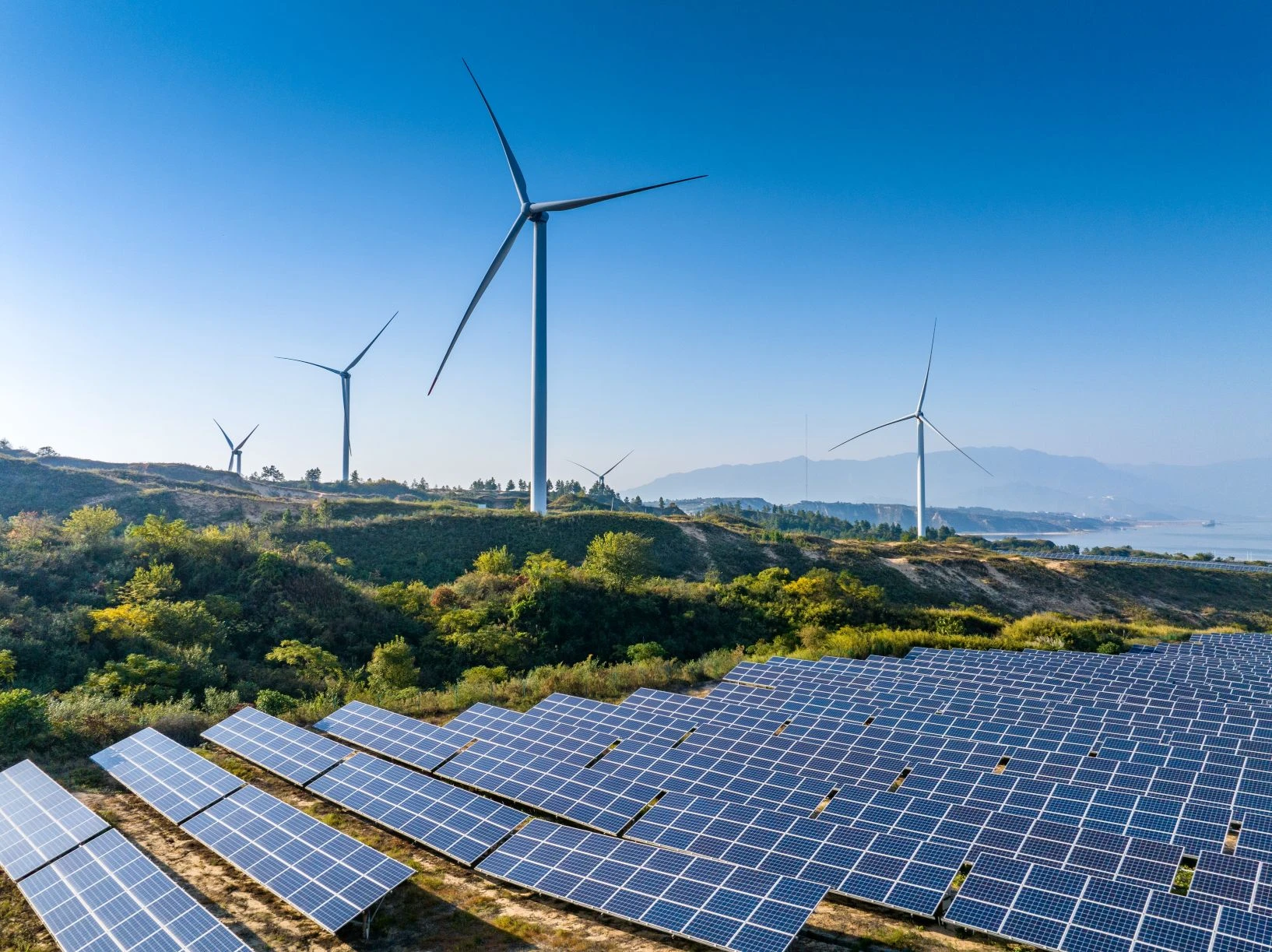



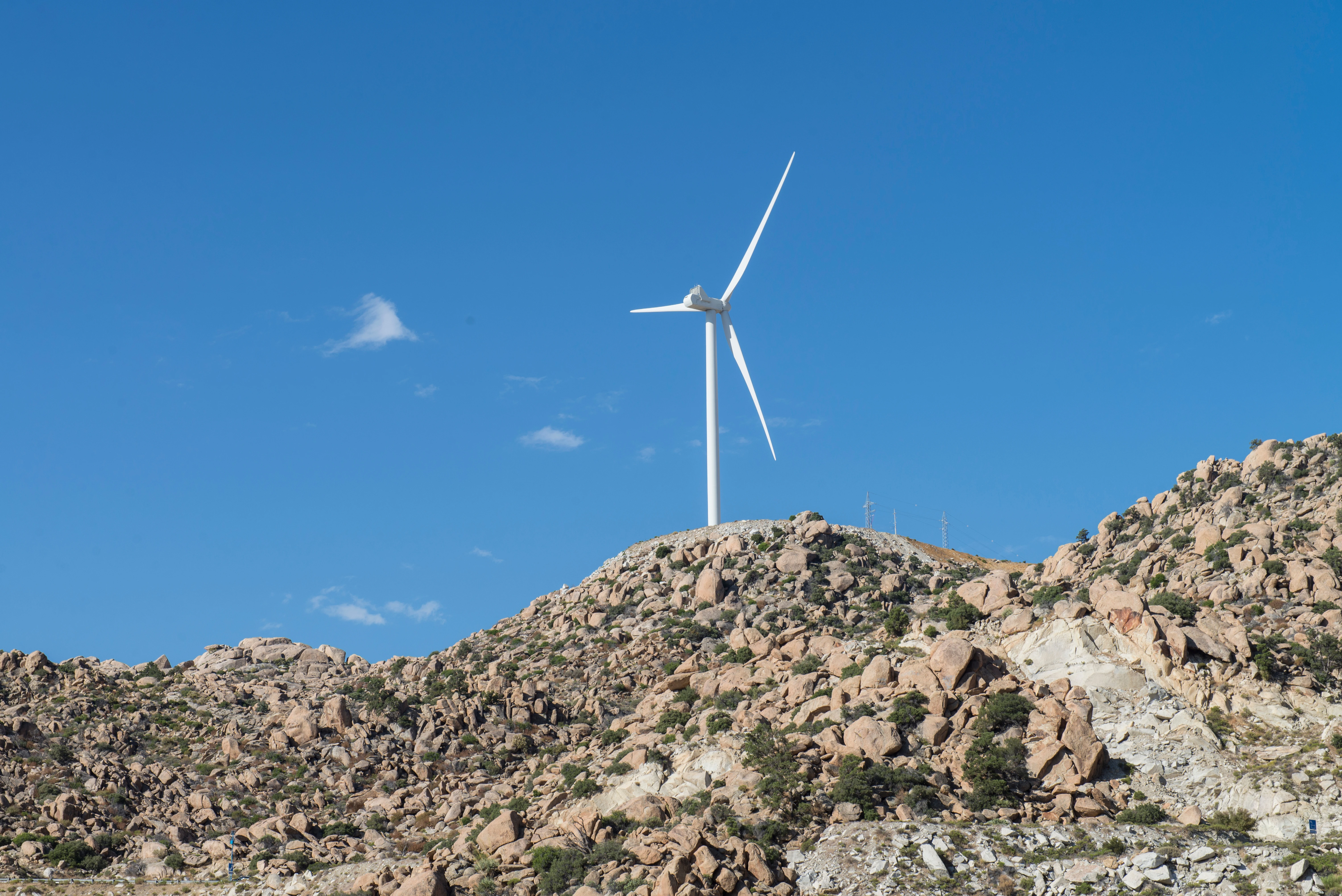
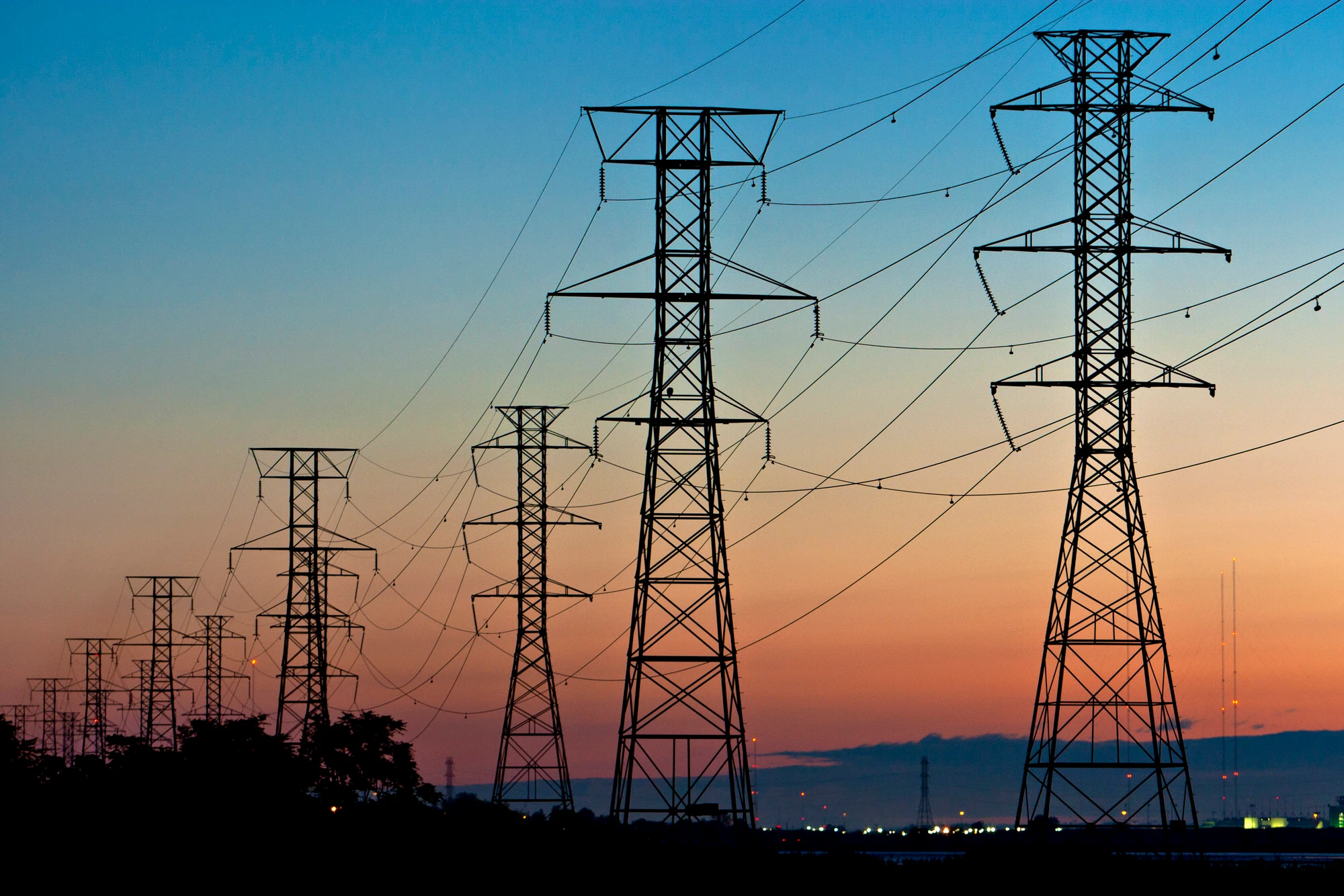
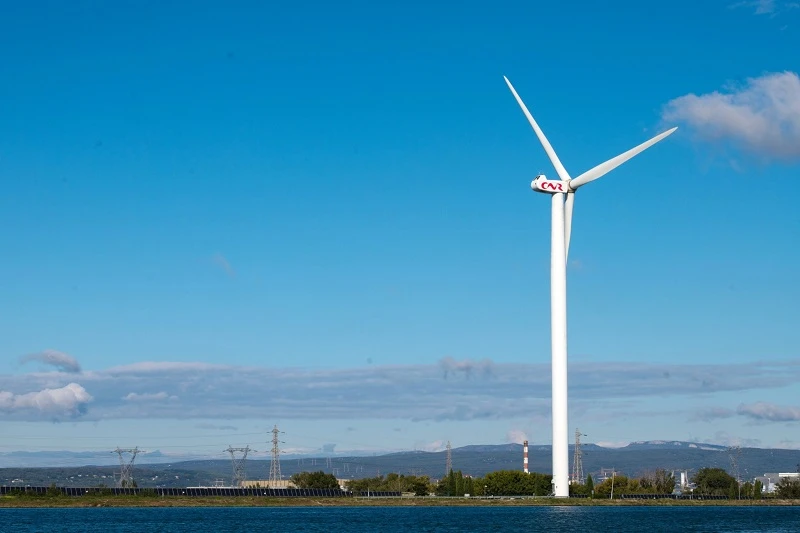

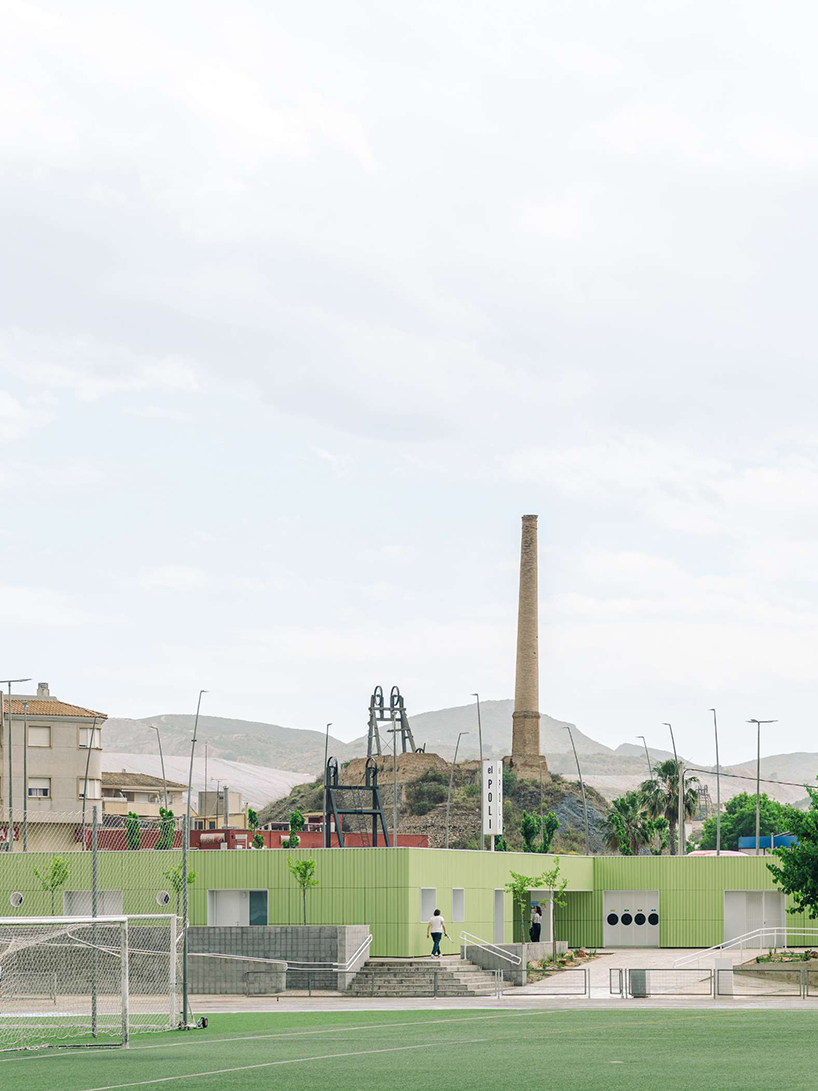






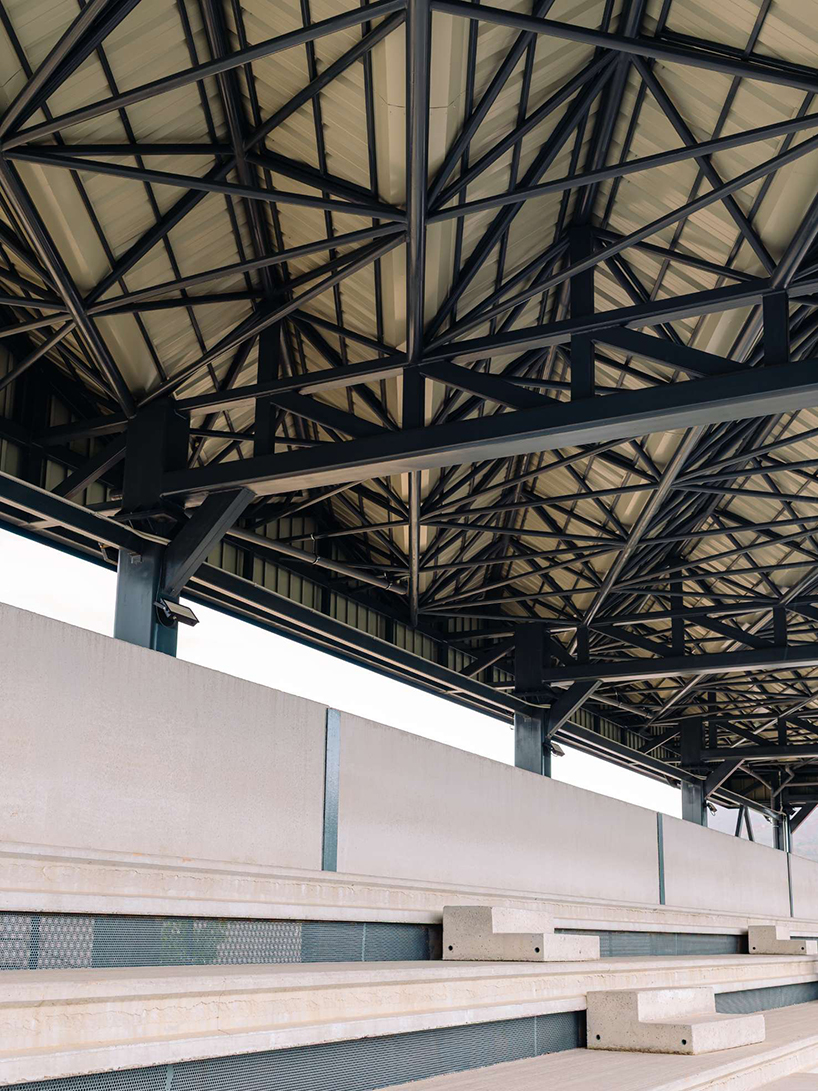




You must be logged in to post a comment.