Upcoming FREE webinar on “Reliable Solar PV Structure Design and Innovation” organized by Middle East Solar Industry Association (MESIA), powered by Solarabic سولارابيك.
We will discuss the effect of the new large format modules on the current PV structure design, improvements, new materials, lessons learned from cases in the Middle East and many more!
Speakers include: Hans Jürgen Sauter, VP Middle East and Africa, Nextracker Inc. Dinesh Thakare, Head – Design & Engineering (RT), CleanMax Elena García Ortiz, Project Manager MEA, UL Solutions Finn Chow, Sales Manager APAC Marketing, Antaisolar Moderator: Ritesh Pothan, Director BD – APAC & AMEA, DroneBase
solar #solarpower #solarenergy #renewableenergy #renewable #energy #sustainable
Claims about wind turbines and solar panels filling landfills are circulating again, often framed as a rediscovered flaw in clean energy that somehow offsets its benefits. The argument is familiar. Wind turbine blades are large, solar panels contain glass and metals, and at the end of their lives these materials must go somewhere. The implied conclusion is that wind and solar merely trade one environmental problem for another. It is worth taking the claim seriously, not because it is new, but because repeating it without system context obscures what actually matters in electricity generation. The landfill framing persists because it appeals to intuition. A pile of discarded blades or panels is visible, bounded, and easy to photograph. Atmospheric pollution is invisible, diffuse, and difficult to picture. Humans reason poorly about flows and accumulation, especially when the harm is delayed or spatially separated from the source. This asymmetry in perception explains why solid waste arguments resurface even as the energy system evolves. Visibility is mistaken for scale. The landfill argument is fundamentally a claim about mass. It asserts that wind and solar create large amounts of physical material that must be disposed of, and that this mass represents an unacceptable environmental burden. Accepting that premise for the sake of analysis, the appropriate response is not to dismiss the metric but to apply it consistently. Electricity systems can be compared on a per MWh basis not only for emissions but also for material throughput. If mass is the concern, then mass per MWh is the correct unit. When expressed that way, the scale of lifecycle solid waste from wind and solar becomes clear. Modern onshore wind turbines use three blades weighing roughly 13 to 18 tons each, mounted on turbines in the 3 to 5 MW range, operating for 20 to 25 years at capacity factors around 35% to 40%. Annualizing the full blade mass over lifetime electricity production yields on the order of 0.1 to 0.25 kg of blade material per MWh, even under worst case assumptions that all blades end up in landfills. Including other solid materials such as foundations and balance of plant does not change the order of magnitude. Solar photovoltaic systems, with panel lifetimes of 25 to 35 years and steadily falling material intensity per watt, produce similarly small quantities of annualized solid waste per MWh. These materials are inert, contained, and managed within engineered waste systems at end of life. Coal and natural gas systems operate very differently. They do not produce most of their waste at end of life. They produce waste continuously, every hour they run. Coal generation emits roughly 900 to 1,000 kg of CO2 per MWh at the stack, along with nitrogen oxides, sulfur dioxide, fine particulates, and of course toxic fly ash. Natural gas generation emits less CO2 from combustion, but when upstream methane leakage and methane slip are included, lifecycle emissions rise to roughly 380 to 690 kg CO2e per MWh depending on plant type and leakage assumptions. These are not episodic wastes. They are ongoing mass flows into the atmosphere. Using the same mass metric that critics invoke, the comparison is stark. Coal emits roughly 950 kg of CO2 per MWh. Wind produces roughly 0.1 to 0.25 kg of annualized solid waste per MWh. That is a ratio of roughly 4,000 to 8,000 times more mass per unit of electricity, even before accounting for other pollutants. Natural gas shows a similar, if smaller, disparity. Even on the critics chosen terms, fossil fuels dominate the material footprint by orders of magnitude. Mass, however, is still the wrong metric for environmental harm. Harm depends on dispersion, toxicity, persistence, and biological interaction. A kilogram of fiberglass or glass in a lined landfill remains contained. A kilogram of sulfur dioxide or fine particulate matter disperses, reacts in the atmosphere, and contributes to respiratory and cardiovascular disease. A kilogram of CO2 accumulates in the atmosphere for centuries, altering the climate system. Treating these as equivalent because they share a unit of mass is a category error. This is where displacement becomes central. Wind and solar are not being compared against an empty baseline. Every MWh they generate displaces a MWh from coal or gas somewhere on the grid margin. The landfill argument implicitly assumes no displacement, which is not how electricity systems operate. Ignoring displacement is equivalent to ignoring the system in which the technologies exist. When displacement is included, the comparison shifts decisively. Small amounts of managed solid waste offset large quantities of unmanaged atmospheric pollution. It is also important to update the numbers. Earlier analyses, including my own, were based on smaller turbines, lower capacity factors, heavier materials per unit of capacity, and shorter assumed lifetimes. Solar panels used thicker silicon wafers and had lower efficiencies. Over the past decade, wind turbine ratings have doubled, capacity factors have increased, material intensity per MW has fallen, and lifetimes have extended. Solar has followed a similar trajectory. The result is that lifecycle material use per MWh is lower today than in the past, and falling further. Arguments that rely on outdated assumptions understate the performance of current systems. End of life management for wind and solar remains a real topic, but it is a waste management and engineering problem, not a systemic environmental failure. Recycling blades, repurposing panels, designing for disassembly, and extending operational lifetimes are tractable challenges. They scale with installed capacity and are addressed episodically. Climate change and air pollution scale with every unit of fossil electricity generated and compound over time. The contrast between contained solids and dispersed pollution is the quiet core of the issue. One sits in a managed location and stays put. The other spreads, accumulates, and causes harm far from its source. Focusing on landfill mass without acknowledging this distinction misses what matters most in energy systems. A serious discussion should therefore focus on improving material efficiency, recycling, and lifetime extension for wind and solar while accelerating their deployment to displace fossil generation. Framing the conversation around visible waste piles instead of invisible but far larger pollution flows does not improve environmental outcomes. It distracts from them. As wind and solar continue to improve, the landfill narrative will become increasingly disconnected from reality unless it is grounded in system level thinking. The relevant comparison is not whether clean energy produces any waste at all, but whether that waste is comparable to the pollution it displaces. On a per MWh basis, and using the critics own metric, it is not even close. The perfect is the enemy of the absurdly better in every respect. CleanTechnica’s Comment Policy Michael Barnard works with executives, investors, and policymakers to navigate the pathways toward decarbonization. He helps make sense of complex transitions by combining insights from physics, economics, and human systems, turning them into practical strategies and clear opportunities. His work spans sectors from sustainable building materials and aviation fuels to grid storage and logistics, always with an eye on how they fit together in the larger picture of the clean economy. Informed by projects across North America, Asia, and Latin America, his perspective is both global and grounded in real-world application. Michael shares his thinking through regular publications on technology trends, innovation, and policy frameworks — not as final answers, but as contributions to an ongoing conversation about building a sustainable future. Michael Barnard has 1253 posts and counting. See all posts by Michael Barnard
JinkoSolar Holding Company Limited (NYSE:JKS – Get Free Report) has received an average recommendation of “Hold” from the six brokerages that are presently covering the firm, Marketbeat Ratings reports. Two analysts have rated the stock with a sell rating, three have given a hold rating and one has assigned a strong buy rating to the company. The average twelve-month target price among analysts that have issued ratings on the stock in the last year is $22.3333. Several equities research analysts have issued reports on JKS shares. Roth Mkm raised their target price on JinkoSolar from $17.00 to $25.00 and gave the stock a “neutral” rating in a research note on Friday, November 21st. Zacks Research raised shares of JinkoSolar from a “hold” rating to a “strong-buy” rating in a research report on Tuesday, January 13th. UBS Group reissued a “neutral” rating on shares of JinkoSolar in a report on Friday, November 28th. Weiss Ratings reiterated a “hold (c-)” rating on shares of JinkoSolar in a research note on Wednesday, December 24th. Finally, The Goldman Sachs Group boosted their target price on shares of JinkoSolar from $18.00 to $20.00 and gave the company a “sell” rating in a research note on Wednesday, November 19th. Get Our Latest Stock Report on JKS
A number of hedge funds and other institutional investors have recently bought and sold shares of the company. Public Employees Retirement System of Ohio lifted its stake in shares of JinkoSolar by 51.3% in the 2nd quarter. Public Employees Retirement System of Ohio now owns 33,900 shares of the semiconductor company’s stock worth $719,000 after acquiring an additional 11,500 shares during the period. XTX Topco Ltd acquired a new position in shares of JinkoSolar during the second quarter valued at approximately $1,160,000. Mitsubishi UFJ Asset Management Co. Ltd. raised its holdings in JinkoSolar by 18.2% during the second quarter. Mitsubishi UFJ Asset Management Co. Ltd. now owns 23,449 shares of the semiconductor company’s stock worth $498,000 after purchasing an additional 3,608 shares in the last quarter. SG Americas Securities LLC lifted its position in JinkoSolar by 63.0% in the third quarter. SG Americas Securities LLC now owns 66,997 shares of the semiconductor company’s stock worth $1,610,000 after purchasing an additional 25,903 shares during the period. Finally, FNY Investment Advisers LLC bought a new position in JinkoSolar during the 3rd quarter valued at $225,000. 35.82% of the stock is owned by institutional investors and hedge funds.
JinkoSolar Trading Down 0.1%
Shares of JinkoSolar stock opened at $27.74 on Tuesday. The company has a debt-to-equity ratio of 1.07, a current ratio of 1.30 and a quick ratio of 1.02. The stock’s 50 day simple moving average is $26.85 and its 200-day simple moving average is $25.03. The stock has a market cap of $1.43 billion, a P/E ratio of -3.03 and a beta of 0.52. JinkoSolar has a 1-year low of $13.42 and a 1-year high of $31.88. JinkoSolar (NYSE:JKS – Get Free Report) last released its quarterly earnings data on Monday, November 17th. The semiconductor company reported ($2.30) earnings per share for the quarter, topping analysts’ consensus estimates of ($2.56) by $0.26. JinkoSolar had a negative return on equity of 8.96% and a negative net margin of 4.98%.The company had revenue of $2.27 billion for the quarter, compared to analyst estimates of $2.72 billion. Analysts predict that JinkoSolar will post -0.24 EPS for the current fiscal year.
About JinkoSolar
(Get Free Report) JinkoSolar Holding Co, Ltd. NYSE: JKS is a vertically integrated solar photovoltaic (PV) manufacturer headquartered in Shanghai, China. The company specializes in the design, development and production of high-performance solar modules, silicon wafers, solar cells and related components. Since its founding in 2006, JinkoSolar has become one of the world’s largest solar module suppliers, known for delivering reliable products to utility, commercial and residential customers. JinkoSolar’s product portfolio encompasses a broad range of monocrystalline and polycrystalline PV modules, including half-cell, bifacial and high-efficiency Tiger module series.
Tuesday, January 27, 2026 The cosmetics industry will tell you that sun damage is the worst thing to happen to your skin, and until now the photovoltaic industry held similar views about solar cells. But unlike in humans, much of the damage done by ultraviolet rays to solar panels is very reversible, according to new research out of the University of New South Wales (UNSW). In fact, it appears that solar cells can heal themselves. The findings from the UNSW research could cut the cost of making solar modules and improve their efficiency because now researchers — and manufacturers — can see in real time what UV radiation is doing inside a solar cell while it is operating. Furthermore, they can test and see within seconds whether a cell is vulnerable to UV damage. “This technique works a bit like a camera. Instead of just measuring how much power the cell produces, we can directly see how the material itself is changing in real time,” said Ziheng Liu, corresponding author of the paper in Energy & Environmental Science, in a statement. “Normally we can only measure the power output. That has been observed already by many people, but with this new method we are also explaining the mechanism and we can see the change at a material level.” The UNSW method of using ultraviolet Raman spectroscopy, which uses lasers to scatter light and reveal a material’s molecular vibrations, allowed Liu and his co-authors to see what is happening in real time without having to physically shred the panel, or rely on electrical output readings. “This approach helps distinguish between true long-term degradation and reversible changes,” Liu said. “That distinction is essential for accurate lifetime prediction.” The kind of accelerated testing to simulate real world UV exposure has led to suggestions of degradation as high as 10 per cent, the paper says. Even though the photovoltaic industry has for some time known that panels can recover some of that performance, they haven’t known why. Currently, solar cells are tested for UV damage resistance during the manufacturing process. That method involves intense blasts of UV radiation at a cell to simulate 2000 hours of exposure, which is then shredded to see what happened. It’s a process that can take between days and weeks, the UNSW paper says. But in the real world “normal” sunlight actually heals the damage done by UV rays, the UNSW team found when looking at TOPCon cells. Solar cells rely on hydrogen bonding with the silicon to increase efficiency. But UV radiation breaks these bonds. Modern cells have a buffer layer of magnesium or aluminium oxides. But if they don’t actually need this layer, or don’t need it to be as thick, that will cut the cost of making modules and improve electrical efficiency at the same time, Liu told Renew Economy. He says 10-20 minutes of “normal” sunlight allows those bonds to reform. It means manufacturers are likely to be over-estimating the amount of irreversible damage happening over the life of a solar cell and over-engineering their panels. Different types of cells have different levels of reversibility, the paper says, but it focused on TOPCon as it’s predicted to be the dominant technology in the coming years. Not only can these panels repair UV damage themselves, but manufacturers could get by with a thicker aluminium oxide film and a thinner silicon-nitrogen layer. If you would like to join more than 29,000 others and get the latest clean energy news delivered straight to your inbox, for free, please click here to subscribe to our free daily newsletter.
Industry Overview Market forecast and expert KPIs for 1000+ markets in 190+ countries & territories Insights on consumer attitudes and behavior worldwide Detailed information for 39,000+ online stores and marketplaces Directly accessible data for 170 industries from 150+ countries and over 1 million facts: Statista+ offers additional, data-driven services, tailored to your specific needs. As your partner for data-driven success, we combine expertise in research, strategy, and marketing communications. Full-service market research and analytics Strategy and business building for the data-driven economy Transforming data into content marketing and design: Statista R identifies and awards industry leaders, top providers, and exceptional brands through exclusive rankings and top lists in collaboration with renowned media brands worldwide. For more details, visit our website. See why Statista is the trusted choice for reliable data and insights. We provide one platform to simplify research and support your strategic decisions. Learn more Expert resources to inform and inspire. Industry-specific and extensively researched technical data (partially from exclusive partnerships).
A paid subscription is required for full access.
Use Ask Statista Research Service July 2023 Japan 2013 to 2022 100 Japanese yen equal 0.69 U.S. dollars or 0.64 euros as of July 2023. Number of homes with solar panels in Europe 2025, by country Share of homes with solar panels in the UK 2025, by region Number of homes with solar panels in the UK 2025, by region Share of homes with solar panels in Europe 2025, by country Log in or register to access precise data. To download this statistic in XLS format you need a Statista Account To download this statistic in PNG format you need a Statista Account To download this statistic in PDF format you need a Statista Account To download this statistic in PPT format you need a Statista Account As a Premium user you get access to the detailed source references and background information about this statistic. As a Premium user you get access to background information and details about the release of this statistic. As soon as this statistic is updated, you will immediately be notified via e-mail. … to incorporate the statistic into your presentation at any time. You need at least a Starter Account to use this feature. Want to see numerical insights? Login or upgrade to unlock hidden values. * For commercial use only Basic Account Starter Account The statistic on this page is a Premium Statistic and is included in this account. Professional Account 1 All prices do not include sales tax. The account requires an annual contract and will renew after one year to the regular list price. Overview Green electricity Photovoltaic systems Waste-to-energy Zero energy houses Smart homes Energy efficient technologies Electric vehicles Energy management systems * For commercial use only Basic Account Starter Account The statistic on this page is a Premium Statistic and is included in this account. Professional Account 1 All prices do not include sales tax. The account requires an annual contract and will renew after one year to the regular list price.
Thank you for visiting nature.com. You are using a browser version with limited support for CSS. To obtain the best experience, we recommend you use a more up to date browser (or turn off compatibility mode in Internet Explorer). In the meantime, to ensure continued support, we are displaying the site without styles and JavaScript. Advertisement Scientific Reportsvolume 16, Article number: 2460 (2026) Cite this article 1059 Accesses Metrics details The rapid integration of photovoltaic (PV) systems into distributionnetworks creates significant challenges in managing power fluctuationsand maintaining voltage stability. While conventional maximum powerpoint tracking (MPPT) techniques improve energy extraction, they arelimited in mitigating active power oscillations and providing fastreactive support during grid disturbances. This study introduces anactive–reactive power coordination framework with modest inverteroversizing, designed to enhance both steady-state and dynamicperformance of grid-connected PV inverters. The proposed approachcombines Incremental Conductance (INC)-based MPPT with dynamicreactive power control under apparent power constraints, and itsstability is rigorously evaluated using small-signal, frequency-domain,continuation power flow, and Lyapunov analyses. Simulation results fora 50 kW dual-stage PV system under diverse operating scenarios—including irradiance variations, load disturbances, voltage sags, andshort-circuit faults—demonstrate that the method suppresses poweroscillations to within ±0.9%, regulates PCC voltage within ±3%,increases feeder loadability by 15%, and reduces on-load tap changeroperations by 40%. These findings confirm that Lyapunov-basedstability assessment, together with coordinated active–reactive controland oversizing, offers a practical pathway for improving grid reliabilityand resilience in PV-rich distribution systems. The global power sector is undergoing a paradigm shift driven by the growing penetration of renewable energy sources, particularly solar photovoltaic (PV) systems. With rapid cost reductions, supportive governmental policies, and increasing environmental awareness, PV has emerged as one of the most promising technologies for decarbonizing the energy mix. Recent foresight reports indicate that global installed PV capacity surpassed 1 TW by 2023, with projections suggesting it could quadruple by 20301. However, integrating large-scale PV into existing distribution and transmission networks presents significant operational challenges due to its variable and non-inertial characteristics. Fluctuations in irradiance and temperature can cause swift power output variations, potentially resulting in voltage instability, frequency excursions, and reduced reliability margins, especially in weaker grid Sect2. The reliable operation of grid-tied PV systems depends critically on Maximum Power Point Tracking (MPPT) algorithms, which ensure extraction of maximum available energy from solar arrays. While the Perturb and Observe (P&O) method is renowned for its simplicity, it tends to induce steady-state oscillations around the maximum power point. In contrast, the Incremental Conductance (INC) algorithm offers improved precision at the cost of higher computational demand3. Under rapid atmospheric changes, when conventional MPPT is combined with basic Active Power Control (APC), it may fail to suppress oscillations effectively. To mitigate this, Enhanced Active Power Control (EAPC) strategies have been introduced, merging INC-based MPPT with additional control mechanisms to reduce active power variability4. Though effective in stabilizing power injection, these approaches typically do not incorporate reactive power support, thereby compromising voltage regulation capabilities5. Voltage stability in modern distribution systems is just as crucial as real power delivery. Traditionalvoltage regulators such as on-load tap changers (OLTCs) and capacitor banks operate withconsiderable latency or operate in discrete steps, making them insufficient for fast-paced voltagedynamics introduced by PV variability6. Contemporary research underscores that inverter-basedreactive power support can meaningfully improve voltage profiles, decrease OLTC operations, andenhance feeder loadability margins. To preserve reactive headroom without compromising activepower delivery, PV inverters are typically oversized by 5–15%, which ensures compliance with IEEE1547-2018 requirements7,8. The intermittent generation characteristic of PV systems sets them apart from conventional synchronous machines, which inherently provide inertia and reactive support to the grid. PV inverters must emulate such grid-friendly functionalities via advanced control strategies. For example, under sudden cloud transients, PV active power can plunge within seconds, creating voltage depressions across feeders. Without timely reactive power injection, local voltage may breach acceptable thresholds, risking customer devices and grid stability9. Consequently, the simultaneous regulation of active and reactive power is essential for efficient energy capture and grid safety10. An operational challenge inherent to inverter-based reactive support lies in the trade-off between active and reactive power delivery within a constrained apparent power capacity. Oversizing the inverter provides a practical remedy, allowing for both sufficient active power output and reactive headroom11. This configuration improves feeder voltage stability and reduces reliance on external compensatory devices like STATCOMs or capacitor banks, which are typically expensive to install and maintain12. From a system operator’s perspective, PV inverters with dual active-reactive control significantly enhance distribution network resilience, particularly amid high renewable penetration scenarios13. Advanced stability analysis tools, including eigenvalue evaluation and continuation power flow (CPF), are indispensable for understanding the impact of inverter-level control on overall system dynamics. Conventional models that neglect reactive power contributions often underestimate feeder loadability thresholds14. Incorporating reactive support in both modeling and control design can shift the maximum loadability point, thereby enhancing the system’s voltage stability margin and confirming that R-EAPC contributes not only locally but also at the system-wide level15. Furthermore, orienting PV inverters toward ancillary service provision aligns with evolving policy frameworks. Grid operators increasingly demand that PV installations not only feed active power but also support frequency regulation, fault ride-through, and voltage control services16. R-EAPC addresses these demands by embedding reactive control within the inverter itself, transforming PV systems from passive power sources into proactive grid entities17. Another compelling driver is the reduction in reliance on external reactive power devices. While STATCOMs, SVCs, and capacitor banks have served as conventional voltage regulation tools, they come with substantial capital and operating expenses18. Utilizing the reactive capability of oversized PV inverters represents a cost-effective alternative that enhances system efficiency and improves the investment appeal of PV projects19. Finally, recent developments in digital signal processors (DSPs) and microcontroller technologies enable the practical realization of complex control algorithms such as R-EAPC. With high processing speeds, real-time system variable monitoring, dynamic power reference formation, and precise dq-frame control are achievable within current inverter hardware architectures, making the strategy scalable and feasible for widespread deployment20. A review of recent APC-, MPPT-, and VAR-based control strategies shows that most approaches tackle individual aspects of PV inverter behavior rather than offering an integrated solution. Methods that focus mainly on active power smoothing or MPPT enhancement are effective in reducing oscillations but typically provide little voltage support during disturbances. On the other hand, reactive-power-based techniques improve voltage stability but do not address the power fluctuations caused by rapid irradiance changes. Even studies that attempt partial coordination rarely incorporate the inverter’s apparent-power capability or the additional reactive reserve created through oversizing. Consequently, existing approaches do not fully combine active-power oscillation suppression with dynamic voltage regulation in a single coherent control framework21,22,23,24. The incremental contribution of this work lies in the coordinated integration of three elements that are usually treated separately in the literature. First, the INC-based active power loop and the reactive current regulator are combined within a unified dq-frame structure that embeds the inverter’s apparent-power limit directly into the reference-generation stage. Second, the influence of a practical 10% oversizing margin is analytically quantified, demonstrating the resulting increase in reactive reserve and its impact on dynamic voltage support. Third, a comprehensive stability evaluation is undertaken through eigenvalue shifts, Bode-based frequency margins, CPF-derived loadability, and Lyapunov analysis, offering a level of verification that is seldom provided in similar studies. This combined treatment constitutes the main incremental contribution of the proposed R-EAPC scheme. This gap motivates the present work, which proposes a coordinated Enhanced Active and Reactive Power Control (R-EAPC) strategy for grid-connected PV inverters. The developed control scheme combines an improved INC-based active power loop with a fast reactive current regulator, while explicitly enforcing the inverter’s apparent-power capability and incorporating a modest oversizing margin. This integrated design enables simultaneous reduction of active power oscillations and enhancement of voltage stability during both steady-state and fast transient conditions. The approach is supported by a comprehensive stability assessment using eigenvalue analysis, frequency-domain margins, continuation power flow, and Lyapunov theory, ensuring that the controller remains robust across a wide range of operating scenarios. This paper is structured as follows, Section II describes the overall system configuration and presents the mathematical models of the PV array, boost converter, inverter, and grid, including apparent power capability considerations. Section III introduces the proposed R-EAPC algorithm, highlighting its integration of INC-based MPPT with reactive power regulation under inverter capacity constraints. Section IV focuses on stability analysis, employing frequency-domain methods and eigenvalue-based assessments to evaluate the dynamic performance of the proposed control strategy. Section V provides detailed simulation results, demonstrating the effectiveness of R-EAPC under diverse scenarios such as variable irradiance, load fluctuations, voltage sags, and fault ride-through events. Finally, Section VI concludes the paper by summarizing the key contributions, emphasizing improvements in power quality and voltage stability, and discussing potential applications for future smart distribution networks with high PV penetration. This section provides the mathematical formulation and dynamic modeling of the PV array, DC–DC boost converter, three-phase inverter, and grid system as shown in Fig. 1. Accurate modeling is essential for designing the proposed R-EAPC controller and analyzing stability. Block diagram of the proposed enhanced active and reactive power control (R-EAPC) strategy for grid-tied PV system. The photovoltaic cell can be represented using the single-diode model shown in Fig. 2 (described). The output current of the PV cell is given as21: where Iph = photocurrent proportional to solar irradiance (A), Is = diode reverse saturation current (A), q = electron charge (1.6 × 10− 19 C), k = Boltzmann constant (1.38 × 10− 23 J/K), T = cell temperature (K), Rs = series resistance (Ω), Rsh = shunt resistance (Ω), n = diode ideality factor. The symbols used in the mathematical model are defined as follows, Vpv and Ipv denote the PV array voltage and current, while Voc and Isc represent the open-circuit voltage and short-circuit current of the module. Vc refers to the DC-link capacitor voltage and iL is the boost inductor current. The inverter output currents in the synchronous reference frame are written as Id and Iq, and their corresponding reference values are Id∗ and Iq∗. The symbols P and Q represent the active and reactive powers at the PCC. All reference quantities are indicated with the superscript(∗), and per-unit variables are represented by lower-case letters. The photocurrent varies with irradiance G and temperature T: where Isc, ref is the short-circuit current at reference conditions, and α is the temperature coefficient. The maximum power point (MPP) is characterized by Eq. (3), which forms the basis of the Incremental Conductance (INC) MPPT algorithm. For the 50 kW test system considered: PV module rating: 235 W (Vmpp = 30.2 V, Impp = 7.78 A), Series modules per string: 25, Parallel strings: 9, Total array rating: ~52.9 kW. The PV array is represented using the conventional single-diode model with standard temperature and irradiance dependencies. No structural modification is introduced here; the model is employed to provide a realistic nonlinear source for evaluating the behaviour of the proposed R-EAPC strategy under variable operating conditions. The objective is not to alter the PV characteristics but to ensure that active-power dynamics are captured accurately enough to assess the interaction between the MPPT-based APC loop and the reactive power controller. The boost converter serves as the interface between the PV array and the DC link of the grid-tied inverter. Its main function is to regulate the PV voltage at the value dictated by the MPPT algorithm while stepping up the voltage level to meet the inverter’s requirements. By varying the duty cycle D of the switching device, the converter adjusts the effective input impedance seen by the PV array. This ensures that the operating point continuously aligns with the maximum power point, even under fluctuating irradiance and temperature. The converter is modeled using the averaged state-space approach, where the capacitor dynamics define the DC-link voltage and the inductor current dynamics dictate energy transfer from the PV source to the load. Beyond voltage regulation, the boost converter also plays a role in filtering and stabilizing PV power. The inductor acts as an energy storage element that smooths out current ripples, while the capacitor reduces voltage fluctuations at the DC bus. These elements, when properly sized, improve converter efficiency and reduce stress on the inverter switches. In the context of R-EAPC, the boost converter is critical because a stable and well-regulated DC link allows the inverter to independently manage active and reactive power flow without being affected by PV-side oscillations. Moreover, designing the converter for high efficiency (> 95%) minimizes energy losses, which is particularly important in renewable energy systems where maximizing harvested power is a priority. The averaged model is: where Vc = DC bus capacitor voltage, iL = inductor current, Vpv = PV array voltage, D = duty cycle, C, L = DC-link capacitor and inductor values. The boost converter efficiency is assumed > 95%. The boost converter is described using a widely adopted averaged switching model. This representation is sufficient to capture the DC-link behaviour relevant to the outer control loops and the stability analysis performed later in the paper. No new converter topology or switching technique is proposed; instead, the assumption of an averaged model allows the focus to remain on how the overall R-EAPC scheme coordinates active and reactive power control while respecting inverter capability limits. The three-phase voltage source inverter (VSI) forms the backbone of the grid-tied PV system, providing the interface between the DC link and the utility grid. The inverter is typically modeled in the synchronous dq reference frame, where AC variables are transformed into DC-like quantities. This transformation simplifies control design, as the d-axis current (Id) can be directly linked to active power (P), while the q-axis current (Iq) is associated with reactive power (Q). The instantaneous power equations in the dq domain are expressed as22: where Vd,Vq = dq-components of PCC voltage, Id,Iq = dq-components of inverter current. By decoupling these control channels, the inverter can regulate real and reactive power independently, allowing simultaneous MPPT tracking and voltage support at the point of common coupling (PCC). The inverter is controlled such that Id regulates real power and Iq regulates reactive power. In the proposed R-EAPC framework, the inverter’s active power reference is generated by the MPPT algorithm, while the reactive power reference is determined from the PCC voltage error. A proportional-integral (PI) controller is employed to minimize the difference between the measured and reference values of Id and Iq. To ensure stability and fast response, feed-forward terms are often included to compensate for cross-coupling between the axes. The resulting reference signals are converted back to three-phase quantities using an inverse Park transformation, which are then fed into a PWM modulator to generate gate pulses for the inverter switches. A key aspect of this control strategy is compliance with the inverter’s apparent power rating. Since the inverter cannot exceed its rated capacity, a constraint is imposed such that: where Srated is the inverter’s apparent power capability. By oversizing the inverter slightly (e.g., 10% above the PV system’s peak rating), sufficient margin is created to allow reactive power injection without curtailing active power significantly. This enables the inverter to support voltage regulation during disturbances such as load changes, faults, or cloud transients, while still maximizing solar energy harvesting. Thus, the inverter model and its control structure are central to the success of the R-EAPC algorithm in achieving both oscillation suppression and improved voltage stability. The grid model represents the external power network with which the PV system interacts, and it plays a vital role in evaluating stability and power quality under different operating conditions. In most studies, the grid is modeled as an infinite bus connected to the PV inverter through transmission or distribution lines characterized by their resistance, inductance, and capacitance. However, for distribution system studies, a more realistic approach is to represent the feeder using standard test systems, such as the IEEE 33-bus or IEEE 69-bus distribution network. These networks provide benchmark conditions that allow the assessment of how distributed PV generation impacts node voltages, losses, and stability margins. The impedance of lines, transformer tap positions, and load characteristics are incorporated into the model to capture voltage drops and dynamic interactions accurately. In grid-connected PV systems, the Point of Common Coupling (PCC) is a key node where inverter output meets the utility feeder. The PCC voltage serves as a critical feedback variable for reactive power control, as deviations from the reference voltage can be corrected by adjusting inverter reactive power injection or absorption. Loads connected downstream are modeled as either constant power or constant impedance types depending on the study requirements. During transient events, such as faults or large load changes, the feeder dynamics strongly influence the PV inverter’s ability to provide support, highlighting the importance of a realistic grid representation. For stability assessment, the grid model is often subjected to Continuation Power Flow (CPF) studies to determine the maximum loadability margin. Without reactive power support from PV inverters, feeder voltages tend to decline under increased loading, reducing the system’s stability reserve. By integrating the R-EAPC algorithm, the inverter can dynamically provide reactive power at the PCC, which raises the nose point of the P–V curve and increases system loadability by up to 15%. This confirms that accurate modeling of the grid is not only essential for analyzing power flow but also for validating the effectiveness of advanced inverter control strategies like R-EAPC. The inverter in a PV grid-tied system is constrained by its apparent power rating, which defines the combined capacity to deliver both real and reactive power. Apparent power (S)(S)(S) is the vector sum of active power (P)(P)(P) and reactive power (Q), and is given by S=√(P2 + Q2). This relationship implies that any increase in reactive power output reduces the available margin for active power, and vice versa. Therefore, the inverter’s design must ensure an appropriate balance between the two components, especially when the control strategy demands simultaneous MPPT operation and voltage regulation. Modern grid codes, such as IEEE 1547-2018, explicitly require distributed energy resources to provide reactive power support during normal and abnormal conditions. To comply with such requirements, PV inverters are often oversized by 5–15% beyond the PV array’s rated output. This oversizing ensures that even when the array operates at full capacity, additional headroom is available to supply or absorb reactive power. Such flexibility enables the inverter to contribute to voltage stability without forcing significant curtailment of active power, thereby maximizing renewable energy utilization while supporting grid stability. In the context of the R-EAPC algorithm, the apparent power capability constraint is integrated directly into the control logic. Whenever the PCC voltage deviates from its nominal value, the controller computes the required reactive power injection, while simultaneously checking that the apparent power does not exceed the inverter’s rating. This prevents overloading and ensures safe operation under all conditions. By explicitly considering this constraint, the proposed control strategy maintains a realistic and reliable balance between real and reactive power support, making it suitable for deployment in practical distribution networks with high PV penetration. Inverter apparent power rating is22: Reactive power capability: By oversizing the inverter by 10% which increases reactive support capability by ~ 46% at rated active power: The above equations are presented using a uniform notation so that the relationship between the PV source, the DC–DC converter and the inverter stage can be interpreted without referring to repeated definitions in later sections. A more explicit derivation of the apparent-power constraint is provided here to clarify its role in the proposed control framework. In a grid-voltage-oriented dq reference frame, the instantaneous active and reactive powers at the PCC are given by P = 3/2 × VPCC× Id and Q = − 3/2×VPCC×Iq, assuming that the PCC voltage is aligned with the d-axis. Substituting these into the definition of apparent power yields, Normalizing with respect to the inverter’s rated current Irated and assuming that VPCC remains close to its nominal value, the capability constraint can be written as which defines a circular boundary in the id–iq plane. This relationship is embedded directly into the reference-current limiter of the R-EAPC scheme so that the requested reactive current is automatically scaled whenever the combined active–reactive demand exceeds the inverter’s capability. When the inverter is oversized, the circle expands proportionally, thereby providing additional reactive support without affecting the active-power reference. This derivation clarifies how the constraint is derived, normalized, and applied within the proposed controller. The Enhanced Active and Reactive Power Control (R-EAPC) algorithm is designed to simultaneously achieve two objectives: suppress oscillations in active power and provide dynamic reactive power support for voltage regulation. The algorithm builds upon the conventional INC-based MPPT strategy, which determines the optimal reference for active power extraction from the PV array. By combining this with a reactive power control loop based on PCC voltage error, R-EAPC ensures that the inverter actively participates in both power maximization and grid stabilization. The control framework operates with dual loops in the dq reference frame. The d-axis current reference (Id∗) is generated by the MPPT algorithm to align with the required active power, while the q-axis current reference (Iq∗) is derived from a voltage regulator that compares the PCC voltage with its reference value. A PI controller minimizes this error and determines the amount of reactive power to inject or absorb. These current references are processed through decoupled current controllers to generate inverter switching signals. This decoupling ensures that changes in one axis (e.g., active power) do not adversely affect the other (e.g., reactive power), thereby achieving fast and independent control. A critical enhancement in R-EAPC is the inclusion of an apparent power constraint within the control loop. Before final current references are dispatched to the inverter, the algorithm verifies that the combined magnitude of real and reactive power does not exceed the inverter’s apparent power limit. In practical terms, this means the inverter can safely provide reactive support without risking overload. By slightly oversizing the inverter, R-EAPC maintains its ability to deliver full active power during favorable irradiance while still offering sufficient reactive margin during grid disturbances. This integrated approach makes R-EAPC a comprehensive and practical solution for future distribution networks with high PV penetration. R-EAPC Control Procedure (pseudocode). Step 1: Measure Vpv, Ipv, VPCC, and inverter output currents. Step 2: Execute the INC-MPPT algorithm to compute the active-power reference P∗. Step 3: Convert P∗ to Id∗ using the grid-voltage-aligned dq transformation. Step 4: Compute PCC voltage deviation and update Iq∗. Step 5: Apply the apparent-power limit Id∗2+Iq∗2 ≤ I2rated, If violated, scale Id∗ and Iq∗ proportionally. Step 6: Use dq-axis PI current regulators to generate the control voltages for the PWM stage. Step 7: Update inverter switching signals and repeat the cycle at each control interval. The Active Power Control (APC) function ensures that the PV system extracts the maximum possible energy from the array while maintaining a smooth and stable power profile at the grid interface. In conventional methods, Perturb and Observe (P&O) is widely used for MPPT but suffers from oscillations around the maximum power point, leading to energy losses. The Enhanced Active Power Control (EAPC) component overcomes this limitation by employing the Incremental Conductance (INC) method in conjunction with a regulation loop that minimizes oscillatory behavior. The INC algorithm determines the slope of the PV I–V curve and adjusts the operating voltage until the condition dI/dV = − I/V is satisfied, which corresponds to the maximum power point. Unlike conventional MPPT, EAPC does not simply track the instantaneous maximum power but incorporates a filtering and control mechanism that smooths active power delivery. This is particularly important in grid-connected conditions, where rapid fluctuations in PV output can disturb grid frequency and power balance. The EAPC module generates an active power reference (Pref) based on the detected maximum power point and feeds it to the inverter controller. A proportional–integral (PI) regulator then adjusts the d-axis current command (Id∗) so that the inverter delivers power consistently with minimal oscillations. By stabilizing the active power injection, the EAPC component provides a robust foundation for the overall R-EAPC strategy. It ensures that the system maintains high energy harvesting efficiency while leaving sufficient flexibility for the reactive power loop to perform voltage support. In this way, EAPC not only maximizes PV utilization but also contributes to the coordinated operation of the inverter under varying solar and grid conditions. For consistency, the dq-axis current controller equations that follow use the same notation for reference values (Id∗,Iq∗) and actual currents (Id,Iq), ensuring uniformity with the notation adopted in the earlier power and inverter equations. The INC MPPT ensures accurate tracking21: Condition for MPP: Reactive support is governed by PCC voltage deviation: Control logic: If ev > 0, inject Q (capacitive). If ev < 0, absorb Q (inductive). The reactive power reference is computed as with saturation limits imposed by inverter capacity: The integrated controller of the R-EAPC strategy combines active and reactive power regulation into a unified framework, ensuring that the inverter simultaneously tracks the maximum available solar power while contributing to grid voltage support. In this structure, the active power loop uses the Incremental Conductance (INC) algorithm to generate a reference aligned with the maximum power point. This reference is then processed by a PI regulator to control the d-axis current, allowing smooth and accurate active power delivery. In parallel, the reactive loop monitors the point of common coupling (PCC) voltage, compares it with the reference value, and adjusts the q-axis current accordingly through another PI controller. By decoupling these loops in the dq frame, active and reactive channels remain independent, preventing one from disturbing the other during dynamic operating conditions. A distinctive feature of this integrated approach is the inclusion of an apparent power limit check before dispatching current references to the inverter. This ensures that the combined active and reactive outputs do not exceed the rated inverter capacity, preserving both safety and reliability. The small oversizing of the inverter provides additional margin, enabling it to deliver full active power while reserving reactive capability during transients or grid disturbances. As a result, the integrated controller not only guarantees maximum energy capture but also equips the PV inverter with grid-supportive characteristics, enhancing resilience and compliance with modern interconnection standards. The integrated R-EAPC has two loops: Active Loop: INC MPPT → PI regulator → Duty cycle. Reactive Loop: Voltage error → PI regulator → Iq reference. The controller ensures that priority is given to real power delivery, and reactive power is allocated within remaining capacity. R-EAPC is an advanced control strategy for grid-connected photovoltaic (PV) inverters that simultaneously manages both active and reactive power to enhance grid stability and power quality. The method begins by continuously measuring the PV array voltage, current, and the point of common coupling (PCC) voltage as shown in Fig. 2. Using the Incremental Conductance (INC) Maximum Power Point Tracking (MPPT) algorithm, the system calculates the desired active power reference Pref, which is then compared with the actual PV output. A Proportional-Integral (PI) controller adjusts the inverter duty cycle accordingly to ensure that the PV system operates at its maximum power point while delivering the required active power to the grid. The reactive power component of R-EAPC is activated when deviations in the PCC voltage exceed a predefined threshold (± 5%). In such cases, the controller computes the reactive power reference Qref based on the voltage deviation, ensuring that it remains within the inverter’s apparent power capacity. These computed active (Id) and reactive (Iq) current references are then fed to the inverter’s Pulse Width Modulation (PWM) module, which adjusts the output to meet both active and reactive power demands. Flowchart of the proposed R-EAPC control strategy, showing dual active–reactive regulation with inverter capacity constraint. By coordinating active and reactive power injection, R-EAPC not only maximizes PV energy extraction but also supports grid voltage regulation, reduces fluctuations, and enhances overall system reliability. Step 1: Measure PV voltage, current, and PCC voltage. Step 2: Run INC MPPT → generate Pref. Step 3: Compare with PV output → PI control → adjust duty cycle. Step 4: Measure Vpcc. If deviation > ± 5%, compute Qref. Step 5: Limit Qref within inverter capacity. Step 6: Apply Id and Iq references to inverter PWM. Small-signal stability analysis evaluates how the grid-connected PV system with the proposed R-EAPC control responds to small disturbances around a steady-state operating point. By linearizing the nonlinear system equations into state-space form, the dynamic interaction among the PV array, boost converter, dq-frame current controllers, MPPT loop, and reactive power regulator can be studied. The eigenvalues of the system matrix provide direct insight into oscillatory modes, damping factors, and stability margins. If all eigenvalues lie in the left half of the complex plane, the system is stable; poorly damped or unstable oscillations occur when eigenvalues move close to or across the imaginary axis. The nonlinear model of the PV system, including the PV array dynamics, DC-link capacitor voltage, boost inductor current, and dq-axis inverter currents, was linearised around the 50-kW operating point used in the simulations. The Jacobian matrix was obtained numerically using MATLAB/Simulink by perturbing each state variable and recording the resulting incremental changes. The eigenvalues were then computed using the built-in eig () function. All controller integrator states and filter dynamics were included to ensure an accurate representation of the closed-loop behaviour. The PCC voltage was assumed to remain close to nominal during linearisation, which is standard for small-signal analysis. This analysis is crucial for ensuring robust control design. It highlights how controller tuning, inverter oversizing ratio, and grid strength affect dynamic performance. Compared with conventional EAPC, the proposed R-EAPC shifts eigenvalues further into the stable region, improving damping of low-frequency oscillations and enhancing voltage support under variations in irradiance, load, or grid conditions. Thus, small-signal stability studies confirm that the R-EAPC strategy not only secures maximum power tracking but also provides reliable reactive support, ensuring stable and resilient integration of PV systems into modern distribution networks. Small-signal eigenvalue spectrum. The small-signal eigenvalue spectrum illustrates the dynamic response of the grid-tied PV system under different control strategies. All eigenvalues lie in the left half of the complex plane, confirming overall system stability. Compared with the conventional EAPC, the proposed R-EAPC shifts eigenvalues further to the left, which indicates stronger damping of oscillatory modes and greater stability margins. This leftward movement demonstrates that the inclusion of reactive power support not only enhances voltage regulation but also improves the resilience of the system to small disturbances, ensuring smoother recovery and robust operation across varying conditions as shown Fig. 3. Linearized state-space model: where x includes Vc, iL, Id, Iq. Eigenvalue analysis shows all poles in left half-plane with R-EAPC. PI controller transfer function: Tuned to ensure phase margin > 59°, gain margin > 14 dB. Frequency-domain analysis provides a powerful method to evaluate the dynamic behavior of the proposed R-EAPC control system by examining how it responds to sinusoidal inputs of varying frequencies. Using transfer functions derived from the linearized state-space model, key system characteristics such as gain margin, phase margin, and crossover frequency can be obtained. These parameters indicate the stability and robustness of the control design. In particular, Bode plots allow visualization of how the converter and controller respond to disturbances, while Nyquist plots confirm overall closed-loop stability according to the location of encirclements around the critical point. The CPF study was performed on the same 11-kV radial distribution feeder used in the simulation section. All loads were parameterised by a loading factor λ, which was increased from λ = 1.0 in steps of 0.02 until the Jacobian became singular, indicating the loadability limit. The nose point of the weakest-bus P–V curve was taken as the point of voltage collapse. The study compared three scenarios: baseline inverter control, EAPC, and the proposed R-EAPC, with and without oversizing. Identical load patterns and feeder parameters were used across all cases to ensure a fair comparison. Open-loop Bode magnitude and phase for the current-control loop. This approach is especially important for PV inverters since multiple nested loops—such as the DC–DC boost stage, current controllers in the dq frame, and the reactive power regulator—interact dynamically. Poorly tuned parameters can introduce resonant peaks or reduce phase margin, leading to oscillatory behavior. The frequency-domain results demonstrate that the R-EAPC maintains adequate gain and phase margins under a wide range of operating conditions, indicating robustness to grid strength variations and parameter uncertainties. Thus, the analysis validates that the proposed control framework not only ensures stable active and reactive power delivery but also guarantees resilience to disturbances in weak and heavily loaded grids. The frequency-domain characteristics of the proposed control loop were examined using Bode analysis to assess stability and robustness as shown in Fig. 4. The open-loop response shows a smooth gain roll-off with a crossover frequency in the few hundred hertz range, which ensures fast dynamic tracking of current commands while maintaining adequate filtering of high-frequency disturbances. The phase response remains well above the critical − 180° line at the crossover point, indicating sufficient phase margin to avoid oscillatory behavior. These results confirm that the selected controller parameters provide a stable and responsive system, capable of delivering reliable active and reactive power support under varying grid and irradiance conditions. Voltage stability analysis is carried out to examine the ability of the grid-connected PV system under the R-EAPC strategy to maintain acceptable voltage levels during disturbances and variations in operating conditions. In distribution networks with high PV penetration, sudden fluctuations in solar irradiance or load demand can cause significant deviations at the point of common coupling (PCC). By incorporating reactive power regulation into the inverter, the proposed control enhances the local voltage profile and prevents the risk of instability. Techniques such as continuation power flow (CPF) are employed to determine the maximum loadability limit and assess how close the system operates to potential voltage collapse. The Lyapunov function was constructed using the error states of the DC-link voltage, inductor current, and dq-axis current loops. The derivative of the Lyapunov function was evaluated by substituting the closed-loop error dynamics obtained from the linearised model. The analysis assumes that the inverter operates within its capability limits and that the PCC voltage does not deviate significantly from nominal during transient events. Under these conditions, the resulting derivative expression is negative definite, confirming global asymptotic stability. The assumptions are consistent with standard inverter control formulations used in distribution-level studies. P–V nose curve comparing No-VAR support and R-EAPC. The results from this analysis highlight that conventional EAPC strategies without reactive support exhibit reduced loadability margins, whereas the proposed R-EAPC significantly improves voltage stability by shifting the maximum loadability point further. Moreover, by reserving a fraction of inverter capacity for reactive power, the system can provide rapid corrective actions during voltage dips, minimizing the need for external compensation devices. This confirms that the R-EAPC not only improves dynamic response but also enhances long-term voltage stability, ensuring secure and reliable integration of PV systems into modern distribution networks. CPF-based P–V curves: Without VAR support → voltage collapse at λ = 1.7. With R-EAPC → extended to λ = 1.95 (15% improvement). The P–V (nose) plot compares the system voltage response under increasing load for two cases: without inverter VAR support and with the proposed R-EAPC as shown in Fig. 5. The curve without reactive support reaches its collapse point around a load factor of 1.70, where voltage falls sharply, indicating limited loadability. With R-EAPC the nose shifts rightward to about 1.95, showing that inverter-provided reactive power raises the voltage profile and extends the maximum transferable load. This rightward shift not only increases the operating margin before voltage collapse but also reduces the sensitivity of PCC voltage to incremental loading, which corroborates the CPF results and demonstrates how inverter-based VAR injection strengthens long-term voltage stability of the feeder. The Lyapunov function candidate used for the dq-based inverter control is defined as a quadratic function of the error states associated with the DC-link voltage, inductor current, and dq-axis current loops. By substituting the closed-loop error dynamics into the derivative of the Lyapunov function, it can be shown that the derivative becomes negative definite when the controller gains satisfy standard positivity conditions for PI-type regulators. Under these conditions, the error trajectories decay monotonically, demonstrating global asymptotic stability within the normal operating region of the PV inverter. These findings are consistent with the eigenvalue-based small-signal analysis reported earlier in this section. Lyapunov stability analysis provides a mathematical framework to evaluate the asymptotic behavior of the PV system with the proposed R-EAPC strategy. By defining a suitable Lyapunov candidate function, typically representing the system’s total stored energy or error dynamics, it is possible to verify whether all trajectories converge to the desired equilibrium point. If the derivative of the Lyapunov function is negative definite, the system is guaranteed to be globally asymptotically stable under small disturbances. This method is particularly valuable because it does not require linearization around an operating point, allowing stability assessment for the full nonlinear system. Lyapunov candidate decreasing after disturbance. In the case of the proposed R-EAPC controller, the Lyapunov approach ensures that the interaction between the active power loop, reactive power regulator, and current controllers in the dq frame remains stable for all operating conditions. The analysis confirms that the closed-loop system converges toward equilibrium after disturbances such as irradiance fluctuations or voltage sags. Compared with small-signal or frequency-domain approaches, Lyapunov stability provides a stronger guarantee of robustness since it directly establishes global stability criteria. This validates that the R-EAPC design is not only dynamically effective but also mathematically proven to maintain stable operation in practical grid-connected PV applications. Lyapunov candidate function ensuring global asymptotic stability: Derivative: The Lyapunov plot presents a candidate energy-like function that monotonically decays after a disturbance, illustrating convergence toward the equilibrium point as shown in Fig. 6. The strictly decreasing trajectory of the Lyapunov function indicates that the closed-loop dynamics dissipate the system’s stored error energy over time, providing a direct certificate of asymptotic stability for the nonlinear model under the designed controller. In practice, this behavior implies that following events such as cloud transients or short-duration faults, the R-EAPC-equipped inverter damps deviations and returns the system smoothly to steady-state without sustained oscillations. For reproducibility, the continuation power-flow (CPF) analysis was performed by progressively increasing the loading parameter λ from 1.0 in fixed increments of 0.02 until the system Jacobian became singular, which marks the nose point of the P–V curve. The same feeder parameters, load locations, and voltage-control settings were used for all three operating modes: (i) the base inverter control, (ii) the proposed R-EAPC, and (iii) the 10% oversized R-EAPC case. The maximum achievable λ value at the collapse point was then recorded as the loadability limit. Using this consistent procedure, the R-EAPC increased the loadability margin by approximately 15% compared with the base case, and a further improvement was observed with the oversized inverter, confirming the CPF-based enhancement reported in the results. This result demonstrates that the R-EAPC framework guarantees asymptotic stability even for nonlinear disturbances such as cloud transients and short-duration grid faults, ensuring robustness beyond small-signal conditions. Table 1 summarizes the different stability analysis methods used in this study, highlighting their focus, strengths, limitations, and the specific role each plays in validating the R-EAPC framework. In the simulation study, a 50 kW grid-tied photovoltaic system was modeled in MATLAB/Simulink to evaluate the performance of the proposed R-EAPC strategy and the simulation parameters are shown in the Table 2. The PV array operated at a nominal DC voltage of 800 V and delivered a maximum current of 62.5 A, interfaced through a DC–DC boost converter with an inductance of 2 mH and a switching frequency of 10 kHz. The DC link was stabilized using a 2200 µF capacitor, while the inverter supplied a three-phase 400 V (line-to-line, rms) grid at 50 Hz. The inverter was slightly oversized by a factor of 1.1, providing additional reactive power capability without curtailing active power. Control parameters included proportional–integral gains of Kp = 0.3, Ki = 20, Kp = 0.3, Ki = 20 for the d-axis current loop and Kp = 0.5, Ki = 30, Kp = 0.5, Ki = 30 for the reactive power regulator, ensuring a balance between fast response and stability. Case 1: Conventional APC (with P&O). In the first case, the PV inverter operates with conventional active power control using the Perturb and Observe (P&O) tracking method as shown in Fig. 7. The active power output shows noticeable oscillations of about 1–2 kW around the rated 50 kW level. These oscillations are a direct result of the continuous perturbations in the P&O algorithm, which tends to hunt around the maximum power point rather than settling smoothly. When a cloud transient occurs, the system experiences a sudden drop in output, followed by a sluggish recovery that takes nearly 0.3 s. This slow dynamic response highlights the limitation of the conventional approach in quickly adapting to rapid irradiance changes, which can affect overall system efficiency and grid interaction. Conventional APC (P&O only) waveforms. (a) Active power waveform, (b) PCC voltage. The point of common coupling (PCC) voltage also exhibits significant fluctuations, swinging within ± 8% of the nominal level. During transients, the voltage dips to its lower bound and then recovers gradually in line with the power trajectory. Such deviations are problematic for grid stability because they can trigger voltage regulation devices more frequently and reduce power quality. The results therefore confirm that while P&O ensures maximum power capture in steady conditions, it provides little inherent damping of power oscillations and no reactive support for voltage stabilization. This explains the need for enhanced control strategies in later cases, where both power smoothness and voltage regulation are addressed. Case 2: EAPC (with INC). The results for Case 2 represent the inverter operating with the Enhanced Active Power Control (EAPC) strategy, where only the Incremental Conductance (INC) based active power tracking is active as shown in Fig. 8. The active power follows the available PV profile smoothly, and no reactive power exchange with the grid is observed, as expected in this configuration. This establishes a baseline for comparing the subsequent cases. The PCC voltage remains close to the nominal value since no external disturbance is applied and the reactive support is disabled. Minor oscillations in the waveform are due to the dynamic adjustment of the current controller responding to MPPT variations. Overall, this case confirms that the EAPC strategy maintains stable power injection under normal grid conditions. Enhanced active power control outputs (only INC). Case 3: R-EAPC (INC + Reactive Support). In this case, the inverter is governed by the Reactive-Enhanced Active Power Control scheme, where the incremental conductance algorithm maintains the active power reference while a voltage-based regulator generates the reactive current command as shown in Fig. 9. When the PV generation is reduced during the irradiance dip, the PCC voltage deviates from its nominal level, and the voltage controller responds by requesting additional reactive support. The inverter therefore allocates part of its apparent power capacity to reactive current injection, ensuring that both active and reactive demands are satisfied within its rating. The simulation results confirm this behavior. The active power waveform follows the available PV profile, decreasing when irradiance falls, while the reactive power trace shows a clear injection during the same interval. This reactive contribution reduces the voltage deviation at the PCC and accelerates its recovery once the disturbance is cleared. Compared with the purely active control case, the R-EAPC strategy demonstrates an improved ability to stabilize the grid voltage while still extracting the maximum possible power from the PV array. R-EAPC (INC + Reactive support) outputs. To verify the claim made in Eqs. (7–9), the reactive-power capability boundary was evaluated for both the base 50-kVA inverter and a 10% oversized 55-kVA inverter at the same operating condition of 0.9 p.u. active loading. As shown in Table 3, the available reactive support increases from 1.50 p.u. to 2.19 p.u., corresponding to an improvement of approximately 45–46%. This result confirms that the enlarged apparent-power capability circle directly releases additional q-axis current headroom, thereby justifying the oversizing margin used in the proposed R-EAPC strategy. Case 4: Oversized R-EAPC (S = 1.1 × Prated). In Case 4, the inverter rating is deliberately increased by 10% above the PV array capacity, creating additional apparent-power headroom as shown in Fig. 10. This expanded capability allows the controller to allocate more margin for reactive current support while maintaining active power injection. During the partial shading event, the available PV power falls sharply, which causes the PCC voltage to deviate from its nominal value. The voltage control loop responds by commanding reactive current, and the oversized inverter has sufficient capacity to supply this reactive demand without immediate curtailment of the active power. The resulting waveforms demonstrate that the oversized configuration significantly improves voltage regulation compared to the non-oversized case. While active power naturally follows the reduced PV availability, the reactive contribution rises during the shading interval, which limits the depth of the voltage dip and accelerates recovery once normal irradiance returns. This highlights that a modest oversizing policy, when combined with the R-EAPC strategy, strengthens grid-support performance under variable solar conditions while preserving the efficiency of power extraction from the PV source. R-EAPC (INC + Reactive support) outputs. From a practical standpoint, a modest oversizing margin of around 10% introduces only a small increase in the inverter’s capital expenditure, while it substantially enhances the reactive power headroom during periods of high active power injection. This additional reactive reserve improves feeder voltage stability, reduces the frequency of OLTC tap changes, and increases loadability, thereby reducing operational stress on distribution equipment. In many Indian utility settings, the long-term operational benefits outweigh the marginal rise in initial cost, making the proposed oversizing margin a favourable and widely acceptable design choice. To quantify the influence of the proposed R-EAPC scheme on OLTC behaviour, the number of tap operations was counted over a 60-s simulation window under identical load and irradiance variations. The baseline system required five tap changes due to larger PCC-voltage excursions, whereas the proposed R-EAPC reduced this to three tap changes by limiting the voltage deviation through coordinated reactive support. This corresponds to an approximate 40% reduction in OLTC operations, confirming the benefit of the proposed method in reducing mechanical stress and extending transformer service life. Based on the above trends presents in Table 4, the additional investment is typically recovered within 2–3 years through operational savings, indicating that a 10% oversizing margin provides a favourable long-term cost–benefit profile.” Case 5: Cloud Transient Test. To provide a clear comparison among different control strategies, the active and reactive power responses obtained under P&O, EAPC-only, VAR-only, and the proposed R-EAPC have been evaluated within the load-variation and cloud-transient test cases. The corresponding PCC-voltage profiles with and without R-EAPC are also presented to demonstrate the improvement in voltage regulation achieved through coordinated reactive support. In addition, the dominant eigenvalues of the closed-loop system were computed for the baseline and R-EAPC cases, and the resulting shift of the poles further confirms the enhanced damping and stability of the proposed controller. These comparative results collectively validate the improvements reported in the manuscript. Case 5 evaluates the controller response to a sudden irradiance drop representing a cloud transient. At 0.8 s, the available PV power decreases sharply, leading to a corresponding reduction in Pref and actual power injection. The MPPT algorithm ensures a smooth transition without large oscillations. R-EAPC cloud transient outputs. Despite the active power drop, the R-EAPC scheme maintains reactive power support to stabilize the PCC voltage. The waveform shows that voltage deviations remain limited, indicating that the controller successfully mitigates the impact of rapid solar fluctuations on the grid as shown in Fig. 11. Case 6: Voltage Sag Event (Grid Disturbance). In this case the system is subjected to a short-duration voltage sag, where the source voltage is reduced to 60% of its nominal magnitude as shown in Fig. 12. The R-EAPC scheme responds through its outer voltage loop, which detects the deviation at the PCC and issues a reactive current demand to the inverter. As the sag progresses, the dq-axis control structure enables the inverter to inject reactive power rapidly while still maintaining the active power reference generated by the MPPT. The phasor balance model shows that the injected reactive current counteracts the drop imposed by the sagged thevenin source, thereby raising the PCC voltage above the uncompensated sag level. R-EAPC (INC + reactive support) outputs. The resulting waveforms highlight the two essential features of the proposed strategy as shown in Fig. 12. The PCC voltage does not fall as deeply as the source voltage, and its recovery after the fault is quicker due to the additional reactive support. At the same time the active power trace remains close to the available PV power, with only minor curtailment when apparent-power limits are approached. This demonstrates that the R-EAPC algorithm successfully balances grid-support obligations with energy harvesting objectives, validating its capability to meet voltage-ride-through requirements under sag conditions. Case 7: Fault Ride-Through (FRT). In Case 7 the system undergoes a severe disturbance, represented by a three-phase short circuit at the feeder that reduces the source voltage to 20% of nominal for 0.2 s as shown in Fig. 13. The R-EAPC controller immediately responds by detecting the large deviation at the PCC and commanding a strong reactive current injection. The dq-axis current regulators enforce this reference within the inverter’s apparent-power limits, ensuring that reactive support is prioritized while active power is curtailed when necessary. This control action enables the inverter to remain connected and actively support the grid during the fault, in contrast to conventional strategies that may lead to disconnection. The simulation waveforms confirm that the inverter successfully meets the fault ride-through requirement. While the source voltage collapses sharply during the fault, the PCC voltage remains higher due to the reactive current contribution, and it recovers quickly once the fault is cleared. The active power trace follows the MPPT command except during the fault window, where it is limited by the inverter’s capacity while supplying reactive power. These results demonstrate that the R-EAPC strategy improves grid support capability and enhances overall system stability under severe fault conditions. Fault ride-through (FRT) outputs. Table 5 compares the effectiveness of different control strategies in minimizing active power oscillations. The conventional APC using the P&O method shows the highest variability, with oscillations of 1–2 kW (± 2%). The EAPC with INC tracking reduces this significantly to within ± 0.9%, highlighting its ability to smoothen power injection. The proposed R-EAPC achieves even better stability, maintaining oscillations below 0.5 kW and within the same ± 0.9% error margin, demonstrating that combining reactive support with active power control results in superior damping of fluctuations and more consistent grid interaction. Thus, R-EAPC achieved a 50% faster recovery time and a 62% reduction in voltage deviation compared with conventional APC as presented in Table 6. Table 7 presents the continuation power flow (CPF) analysis for evaluating the system’s voltage stability margin. Without reactive power support, the maximum loadability factor (λ) is limited to 1.70, beyond which the feeder experiences voltage collapse. Incorporating the R-EAPC strategy shifts this collapse point to 1.95, representing a 15% improvement in loadability. This confirms that the proposed control not only enhances local voltage regulation but also extends the overall stability margin of the distribution network, allowing the system to handle higher loads without compromising reliability. The comparative study highlights how the introduction of reactive support and modest oversizing transforms inverter behavior from a simple PV tracker into a grid-supporting device capable of handling disturbances and transients (Cases 3–7). Cases 3 and 4 show the incremental benefits of enabling reactive current and providing additional apparent-power margin. The most critical findings are from Cases 6 and 7, where voltage sag and short-circuit faults are effectively managed through rapid VAR injection, ensuring compliance with fault ride-through expectations. Across all scenarios the system ratings (50 kW PV, 400 V, 50 Hz) are respected, and the inverter remains stable even under stress conditions. The analysis demonstrates that the proposed R-EAPC control with modest oversizing offers a practical pathway to enhance both local voltage stability and renewable energy utilization, thereby justifying the overall approach of the paper. The performance comparison of different operating cases is shown in Table 8. Beyond the numerical outcomes, these results emphasize the shift in inverter functionality from passive generation to active grid participation. By coordinating active and reactive power within the same framework, the inverter not only stabilizes its own output but also strengthens feeder reliability during external disturbances. This dual role reduces the burden on conventional voltage regulation devices, while maintaining energy harvesting efficiency. Consequently, R-EAPC positions PV inverters as versatile assets that contribute to both operational security and long-term grid resilience, making the approach highly relevant for future distribution networks with high renewable penetration. Figure 14 shows the comparison charts that illustrates the performance of four control strategies—APC (P&O), EAPC (INC), R-EAPC, and Oversized R-EAPC—across key metrics of power oscillation error, voltage deviation, recovery time, and stability margin. The conventional APC method exhibits the poorest results, with the highest oscillation error (≈ 2%) and large voltage deviations (≈ 8%). EAPC significantly reduces oscillations to below 1% but offers limited voltage regulation. The proposed R-EAPC maintains the same low oscillation levels while cutting voltage deviation by nearly half and improving recovery speed to 0.12 s. With inverter oversizing, R-EAPC further enhances performance, lowering deviations to 3%, achieving the fastest recovery (0.10 s), and extending the system’s loadability margin to λ = 1.95. Overall, the chart clearly demonstrates that integrating reactive support and modest oversizing transforms PV inverters into effective grid-supporting assets with superior stability and resilience. Performance of four control strategies—APC (P&O), EAPC (INC), R-EAPC, and Oversized R-EAPC. For clarity, Fig. 15 provides the radar chart summarizing key performance metrics across different strategies, where the R-EAPC approach demonstrates consistent superiority. Radar chart performance comparison. Table 9 provides a comparison between the proposed R-EAPC strategy and three representative post-2020 studies drawn from the references, specifically an INC-based enhanced active power control method4, a reactive-power support scheme using STATCOM in PV systems5, and a coordinated control strategy for PV inverters and VSCs in low-voltage networks7. While these works individually improve MPPT performance, reactive-power capability, or coordinated power flow, they do not integrate active-power smoothing, dynamic reactive support, and inverter capability constraints within a unified dq-axis formulation. None of them examine the additional reactive reserve obtained through practical oversizing, nor do they provide a comprehensive stability assessment combining eigenvalue analysis, frequency-domain margins, CPF-based loadability, and Lyapunov stability. In contrast, the proposed R-EAPC incorporates all these aspects, establishing a level of coordination and robustness not reported in the recent literature. The simulation studies clearly highlight the advantages of incorporating reactive support into the enhanced active power control (EAPC) framework for photovoltaic (PV) integration. The comparative analysis across different control strategies demonstrates that while conventional active power control (APC) reduces active power fluctuations, it is insufficient for addressing voltage instability under rapid irradiance changes. In the baseline case with conventional perturb-and-observe (P&O) APC, active power oscillations reached 1–2 kW and the point of common coupling (PCC) voltage varied within ± 8%. Replacing P&O with the incremental conductance-based EAPC improved active power smoothness, restricting oscillations to ± 0.9%. However, the absence of reactive power compensation allowed voltage deviations of up to ± 7%, limiting overall system stability. By contrast, the proposed reactive-supported EAPC (R-EAPC) maintained the same low oscillation levels while significantly improving voltage regulation. PCC deviations were reduced to ± 4% with recovery times shortened to 0.12 s, compared to 0.25–0.30 s under other methods. With moderate inverter oversizing (10%), deviations fell further to ± 3%, and the number of on-load tap changer (OLTC) operations decreased by nearly 40%. Continuation power flow (CPF) analysis confirmed the stability improvements, with the system loadability margin increasing from λ = 1.70 (without reactive support) to λ = 1.95 under R-EAPC control—a 15% enhancement. This indicates that the proposed controller not only improves steady-state voltage regulation but also strengthens dynamic resilience against transient events. From a techno-economic perspective, the additional cost associated with inverter oversizing is justified by the reduction in OLTC wear and compliance with IEEE 1547–2018, which mandates reactive support from distributed energy resources. Moreover, the scalability of the algorithm makes it suitable for large PV farms, microgrids, and coordinated operations with electric vehicle charging infrastructure. Collectively, these results validate R-EAPC as a cost-effective and practical strategy for improving power quality, voltage stability, and grid reliability. This work presented a coordinated control framework for grid-tied photovoltaic systems that integrates INC-based active-power regulation, dynamic reactive-current support, and explicit inverter capability enforcement within a unified dq-axis structure. The formulation incorporates a practical assessment of inverter oversizing and demonstrates how modest kVA augmentation enhances reactive headroom and voltage-support capability. The proposed R-EAPC method was evaluated across multiple operating scenarios—including load variation, irradiance transients, voltage disturbances, and OLTC interaction—and consistently achieved lower active-power oscillations, improved PCC-voltage regulation, increased loadability margin, and fewer OLTC tap operations. Stability was examined through eigenvalue shifts, CPF-based loadability analysis, and Lyapunov conditions, confirming robust closed-loop performance. Overall, the R-EAPC strategy offers a comprehensive and practically implementable solution for enhancing dynamic behavior and voltage support in distribution-level PV systems. Future work will focus on developing a hardware prototype to experimentally validate the proposed R-EAPC strategy under real-time operating conditions. No external dataset was used in this study. Photocurrent proportional to solar irradiance (A) Diode reverse saturation current (A) Electron charge (1.602 × 10⁻¹⁹ C) Boltzmann constant (1.381 × 10⁻²³ J/K) Cell temperature (K) Series resistance (Ω) Shunt resistance (Ω) Diode ideality factor (1–2) Short-circuit current at reference conditions (A) Temperature coefficient of current Module voltage at MPP (V) Module current at MPP (A) DC bus capacitor voltage (V) Boost inductor current (A) Boost inductor (H) DC-link capacitor (F) Boost switching frequency (Hz) dq-components of PCC voltage (V) dq-components of inverter current (A) Inverter rated apparent power (VA) DC link voltage (V) DC link current (A) Grid voltage (L-L, rms), (V) Grid frequency (Hz) Inverter output current (A) PI controller gains Loadability factor (CPF) Alternating current Active power control Continuation power flow Direct current Distributed energy resource Digital signal processor Enhanced active power control Fault ride-through Incremental conductance Maximum power point tracking On-load tap changer Point of common coupling Proportional–integral Perturb and observe Photovoltaic Pulse width modulation Reactive-enhanced active power control Static synchronous compensator Static var compensator Voltage source inverter Alternating current Phase-locked loop bandwidth Duty cycle of boost converter Kotla, R. W. & Yarlagadda, S. R. Mathematical modelling of SPV array by considering the parasitic effects. SN Appl. Sci.2, 50. https://doi.org/10.1007/s42452-019-1861-x (2020). Article Google Scholar Turiman, M. S. et al. Analysis of high penetration level of distributed generation at medium voltage levels of distribution networks. In IEEE Int. Conf. Power Syst. Technol. (POWERCON), Kuala Lumpur, Malaysia, 1–6. https://doi.org/10.1109/POWERCON53406.2022.9929780 (2022). Kollimalla, S. K. & Mishra, M. K. Variable perturbation size adaptive P&O MPPT algorithm for sudden changes in irradiance. IEEE Trans. Sustain. Energy. 5, 718–728. https://doi.org/10.1109/TSTE.2014.2300162 (2014). ArticleADS Google Scholar Kotla, R. W. & Yarlagadda, S. R. A novel enhanced active power control maximum power point tracking algorithm for photovoltaic grid tied systems. Adv. Electr. Comput. Eng.21, 31–38. https://doi.org/10.4316/AECE.2021.03010 (2021). Article Google Scholar Boghdady, T. A. & Mohamed, Y. A. Reactive power compensation using STATCOM in a PV grid connected system with a modified MPPT method. Ain Shams Eng. J.14, 102060. https://doi.org/10.1016/j.asej.2022.102060 (2023). Article Google Scholar Liu, T. et al. Stability and control of power grids. Annu. Rev. Control Robot. Auton. Syst.5, 689–716. https://doi.org/10.1146/annurev-control-042820-011148 (2022). Article Google Scholar Zhang, B. et al. Coordinated power control strategy of PV inverters and VSCs in DC-interconnected low-voltage distribution networks. IEEE Trans. Ind. Appl.61, 8001–8014. https://doi.org/10.1109/TIA.2025.3561756 (2025). Article Google Scholar Kotla, R. W. & Yarlagadda, S. R. Power management of PV-battery-based low voltage microgrid under dynamic loading conditions. J. Inst. Eng. (India) B. 102, 797–806. https://doi.org/10.1007/s40031-021-00544-2 (2021). Article Google Scholar Wilson, K. R. & Rao, Y. S. Comparative analysis of MPPT algorithms for PV grid tied systems: A review. In IEEE Int. Conf. Intell. Comput. Instrum. Control Technol. (ICICICT) Kannur India. 1105–1110. https://doi.org/10.1109/ICICICT46008.2019.8993148 (2019). Ramírez Torres, J. A. et al. Development and implementation of the MPPT based on incremental conductance for voltage and frequency control in single-stage DC-AC converters. Energies18, 184. https://doi.org/10.3390/en18010184 (2025). Article Google Scholar Kotla, R. W. & Yarlagadda, S. R. Grid tied solar photovoltaic power plants with constant power injection maximum power point tracking algorithm. J. Eur. Syst. Autom.53, 567–573. https://doi.org/10.18280/jesa.530416 (2020). Article Google Scholar Jadav, K. A., Karkar, H. M. & Trivedi, I. N. A review of microgrid architectures and control strategy. J. Inst. Eng. India Ser. B. 98, 591–598. https://doi.org/10.1007/s40031-017-0287-3 (2017). Article Google Scholar Kotla, R. W. & Yarlagadda, S. R. Real-time simulations on ultracapacitor based UPQC for the power quality improvement in the microgrid. J. New. Mater. Electrochem. Syst.24, 166–174. https://doi.org/10.14447/jnmes.v24i3.a04 (2021). Article Google Scholar Cavus, M. Advancing power systems with renewable energy and intelligent technologies: A comprehensive review on grid transformation and integration. Electronics14, 1159. https://doi.org/10.3390/electronics14061159 (2025). ArticleCAS Google Scholar Yan, Y., Ruan, X., He, Y., Lin, Z. & Chen, Y. On the instability mechanism of PV-thermal-bundled power system under different PV penetration ratios. IEEE Trans. Power Electron.40, 13434–13447. https://doi.org/10.1109/TPEL.2025.3555652 (2025). ArticleADS Google Scholar Hamidi, A., Hamzeh, M., Bozorg, M. & Cherkaoui, R. Performance-based capacity allocation of DERs to improve aggregated flexibility provision. IEEE Trans. Smart Grid. 16, 2968–2990. https://doi.org/10.1109/TSG.2025.3550846 (2025). Article Google Scholar Ramesh, M., Yadav, A. K. & Pathak, P. K. An extensive review on load frequency control of solar-wind based hybrid renewable energy systems. Energy sources part A recovery util. Environ. Eff.47, 8378–8402. https://doi.org/10.1080/15567036.2021.1931564 (2025). Article Google Scholar Dev, A. et al. Advancements and challenges in microgrid technology: A comprehensive review of control strategies, emerging technologies, and future directions. Energy Sci. Eng.13, 2112–2134. https://doi.org/10.1002/ese3.2095 (2025). Article Google Scholar Patel, N., Kumar, A., Gupta, N. & Babu, B. C. Experimental investigations on voltage sourced inverter interfaced photovoltaic based distributed generation system. Energy Sources Part. Recovery Util. Environ. Eff.47, 1781302. https://doi.org/10.1080/15567036.2020.1781302 (2025). Article Google Scholar Babayomi, O., Li, Y., Zhang, Z. & Park, K. B. Advanced control of grid-connected microgrids: Challenges, advances, and trends. IEEE Trans. Power Electron.40, 7681–7708. https://doi.org/10.1109/TPEL.2025.3526246 (2025). ArticleADS Google Scholar Kotla, R. W. & Yarlagadda, S. R. Modelling and control of a three phase PVGT system. In IEEE India Council Int. Subsections Conf. (INDISCON), Visakhapatnam, India, 96–101. https://doi.org/10.1109/INDISCON50162.2020.00031 (2020). Hussain, A., Garg, M. M., Korukonda, M. P., Hasan, S. & Behera, L. A parameter estimation based MPPT method for a PV system using Lyapunov control scheme. IEEE Trans. Sustain. Energy. 10 (4), 2123–2132. https://doi.org/10.1109/TSTE.2018.2878924 (2019). ArticleADS Google Scholar Kundu, S., Giri, A. K. & Kadiyan, S. An adaptive mixed-step size normalized least means fourth control approach for stand-alone power generation system considering dynamic conditions. IEEE J. Emerg. Sel. Top. Power Electron.13 (2), 2422–2429. https://doi.org/10.1109/JESTPE.2024.3516878 (2025). Article Google Scholar Kundu, S. Improved dynamic performance of SEIG-based wind energy systems for off-grid applications. Electr. Power Syst. Res.251, 112198. https://doi.org/10.1016/j.epsr.2025.112198 (2026). Article Google Scholar Download references Authors did not receive any funding for this work. Department of EEE, Vignan’s Foundation for Science Technology and Research, Deshmukhi, Hyderabad, Telengana, 508284, India Rahul Wilson Kotla Department of EEE, Vignan Institute of Technology and Science, Deshmukhi, Hyderabad, Telengana, 508284, India Srikant Ganji Department of EEE, Malla Reddy Engineering College for Women, Secunderabad, Telengana, 500100, India Jayavani Lagudu Department of EE, National Institute of Technology, Kurukshetra, Haryana, 136119, India Srinivasa Rao Yarlagadda Assistant Manager, Line In-charge Battery Assembly, Hero Motocorp Ltd., Satyavedu, Tirupati, Andhra Pradesh, 517588, India Sahithya Bolli Search author on:PubMedGoogle Scholar Search author on:PubMedGoogle Scholar Search author on:PubMedGoogle Scholar Search author on:PubMedGoogle Scholar Search author on:PubMedGoogle Scholar Conceptualization, investigation, writing-initial draft, writing-review and editing; R.W.K., S.G., J.L., S.R.Y., S.B. Correspondence to Rahul Wilson Kotla. The authors declare no competing interests. Springer Nature remains neutral with regard to jurisdictional claims in published maps and institutional affiliations. Open Access This article is licensed under a Creative Commons Attribution-NonCommercial-NoDerivatives 4.0 International License, which permits any non-commercial use, sharing, distribution and reproduction in any medium or format, as long as you give appropriate credit to the original author(s) and the source, provide a link to the Creative Commons licence, and indicate if you modified the licensed material. You do not have permission under this licence to share adapted material derived from this article or parts of it. The images or other third party material in this article are included in the article’s Creative Commons licence, unless indicated otherwise in a credit line to the material. If material is not included in the article’s Creative Commons licence and your intended use is not permitted by statutory regulation or exceeds the permitted use, you will need to obtain permission directly from the copyright holder. To view a copy of this licence, visit http://creativecommons.org/licenses/by-nc-nd/4.0/. Reprints and permissions Kotla, R.W., Ganji, S., Lagudu, J. et al. Grid resilience enhancement of photovoltaic systems via Lyapunov-validated active–reactive power coordination and inverter oversizing. Sci Rep16, 2460 (2026). https://doi.org/10.1038/s41598-025-32279-1 Download citation Received: Accepted: Published: Version of record: DOI: https://doi.org/10.1038/s41598-025-32279-1 Anyone you share the following link with will be able to read this content: Sorry, a shareable link is not currently available for this article.
“Thank you,” they wrote. “That’s helpful advice.” Understanding whether variations in solar power production are the result of a fixable problem or natural changes in weather can help homeowners ensure they make the most out of their solar systems. 💡Go deep on the latest news and trends shaping the residential solar landscape EnergySage helps you get the best deal on a solar installation, saving the average customer $10,000. Additionally, with EnergySage’s mapping tool, you can see a state-by-state breakdown of the average price of an installation in your area and what incentives are available. To maximize the benefits of home solar, many homeowners pair solar panels with a battery backup. With EnergySage’s home battery service, you can learn more about different options as well as information about how a home battery can protect you during a power outage and save even more money on energy costs. As for the OP, Redditors offered plenty of potential explanations. “Probably a good amount of bird poop up there in addition to dust, etc.,” one commenter suggested. “Has there been much rain this summer?” “My guess: Air quality was very poor in Chicago Aug and Sept,” another added. “In other words, the haze and smoke from the Canadian fires caused significant light refraction, affecting your panel production.” Get TCD’s free newsletters for easy tips to save more, waste less, and make smarter choices — and earn up to $5,000 toward clean upgrades in TCD’s exclusive Rewards Club.
Segway is currently offering up to 50% savings on its power stations, like the latest Lumina 500 Portable Power Station at $179.99 shipped, which also matches its current Amazon pricing. While it carries a $400 MSRP direct from the brand, you can more often find it starting around $300, with the discounts we’ve seen on it going as low as $170 so far in its history. That means you’re getting the second-best rate with the deals here, saving you $120 ($220 off the MSRP) and giving you an ample, but compact, backup power companion for devices and small appliances. Below, you’ll also find the brand’s larger 1,024Wh and 2,048Wh models down at some of their best prices, too, along with accessories like expansion batteries and solar panels. The Segway Lumina 500 power station is the brand’s most compact backup power companion that brings along a 512Wh LiFePO4 battery capacity to keep your necessities running at home during emergencies or while out and about traveling, tailgating, and the like. Through its nine output ports (2x AC, 2x USB-C, 4x USB-A, and 1x car port) it delivers up to 600W of constant power while being able to surge as high as 1,200W. It’s an easy-to-manage 16 pounds, and comes with three ways to recharge. An AC outlet can put it back to full in up to 1.2 hours, while utilizing its max 200W of solar input can take up to 3 hours, and charging as you drive from your car’s auxiliary port takes longest at up to 5 hours. And speaking of Segway, if you’ve been wanting to jump on one of the brand’s e-scooters, you can find the premium ZT3 Pro All-Terrain Electric Scooter down at a new $773 low right now. Of course, you can also find all our other favorite power station brands (EcoFlow, Anker SOLIX, Jackery, Bluetti, more) offering significant savings regularly in our dedicated power stations hub, and be sure to also check out our latest hands-on review of the new Anker SOLIX C2000 Gen 2 Portable Power Station here. The LUMINA 500 Portable Power Station combines performance, portability, and reliability for all your adventures on the road, at sea, or in an RV. Equipped with a 512Wh battery and 600W AC output (peaking at 1200W), it easily powers small appliances, electronics, and outdoor essentials. Weighing only 15.9 lbs, the compact design makes it convenient to carry anywhere. With 9 versatile ports, including dual 100W USB-C, AC outlets, USB-A, and a car outlet, you can charge multiple devices at once. Enjoy 80% recharge in just 1 hour via wall charging, or stay powered through solar panels and car charging options. Perfect for camping, road trips, boating, and emergency backup power, the LUMINA 500 ensures dependable energy whenever and wherever you need it. FTC: We use income earning auto affiliate links.More. Subscribe to the 9to5Toys YouTube Channel for all of the latest videos, reviews, and more!
A more than 15% increase in silver prices over the past week is adding cost pressure to the solar supply chain, as silver paste costs currently represent around 30% of total PV module costs. Higher-silver-content pastes enable quality metallization at lower temperatures Image: DKEM Silver prices continued to skyrocket this week, reaching a record high of $108.17 per ounce (oz) today. Over the past seven days alone, prices increased by nearly 15%, up from $94.73/oz. By comparison, the average silver price in 2024 was $28.27/oz. Prices stood at $31.30/oz in January 2025 and $36.11/oz in June, levels that were still considered manageable for the PV industry. Philip Newman, managing director of UK-based market research firm Metals Focus, previously calculated that at a silver price of around $70/oz, silver would account for approximately 18% to 20% of total solar module costs. At current price levels, this share is estimated to have risen to more than 30%.
Struggling with solar module pricing, supply risks, and complex procurement decisions? Join us on Jan. 28 forpv magazine Webinar+ | The Solar Module Market Playbook: Managing pricing, risks, and other procurement challenges. We combine real-time market data, case studies, and an interactive Q&A to help EPCs, developers, investors, and distributors secure high-quality PV modules at competitive prices, thereby safeguarding project bankability. Rising silver prices, meanwhile are pushing PV manufacturers toward copper-based metallization. Last week, China-based metallization paste supplier DK Electronic Materials highlighted this trend, revealing that a gigawatt-scale customer will adopt its high-copper paste for commercial production. According to Radovan Kopecek, the co-founder and director of German research institute the International Solar Energy Research Center Konstanz (ISC Konstanz), an immediate transition to copper is technically and economically feasible. “Copper screen printing can be implemented quickly, and we have received many inquiries about it,” he told pv magazine last week. Ning Song, from the University of New South Wales (UNSW) in Australia, explained that even if adopting a high-copper paste results in a small efficiency drop, the price trade-off should be acceptable to manufacturers. “That trade-off is acceptable if it does not introduce new reliability risks. Ultimately, the decision depends on how well the efficiency loss can be offset at the module and system level,” she told pv magazine.
This content is protected by copyright and may not be reused. If you want to cooperate with us and would like to reuse some of our content, please contact: editors@pv-magazine.com.
This content is protected by copyright and may not be reused. If you want to cooperate with us and would like to reuse some of our content, please contact: editors@pv-magazine.com. More articles from Emiliano Bellini Please be mindful of our community standards. Your email address will not be published.Required fields are marked *
This website uses cookies to anonymously count visitor numbers. View our privacy policy. The cookie settings on this website are set to “allow cookies” to give you the best browsing experience possible. If you continue to use this website without changing your cookie settings or you click “Accept” below then you are consenting to this. Close
In a new weekly update for pv magazine, OPIS, a Dow Jones company, provides a quick look at the main price trends in the global PV industry. Image: OPIS
China’s TOPCon module prices rose for a third consecutive week, as market participants continued to digest the impacts of export rebates removal and higher cell prices. Beyond spot prices, prices along the forward curve have also edged higher, reflecting expectations that recent policy shifts could feed through to forward pricing. According to the OPIS Global Solar Markets Report released on January 20, the Chinese Module Marker (CMM), the OPIS benchmark assessment for TOPCon modules from China, rose 12.75% on the week to $0.115/W Free-On-Board (FOB) China. OPIS FOB China TOPCon module forward curve indications for Q2 2026 loading cargoes were assessed at $0.120/W, up 14.29% on the week. Forward prices for Q3 2026 loading cargoes moved higher to $0.121/W, rising 15.24% on the week. Q4 2026 loading cargoes rose 10.42% week-on-week to $0.106/W while Q1 2027 loading cargoes saw the steepest increase of 13.5% to $0.109/W. According to one tier-1 producer, silver prices will remain a key variable. Even if upstream polysilicon prices were to soften from April onward, module prices would struggle to fall back to end-2024 levels of around CNY0.70 ($0.10)/W as long as silver prices stay at current levels. The producer added that buyers have largely accepted the higher price levels and expect the uptrend to persist. However, some trade sources pointed to a lingering “wait and see” sentiment in the market, largely driven by uncertainty around upcoming policies, particularly China’s anti-monopoly measures, which may be limiting the full transmission of recent price increases. While these measures are primarily focused on the polysilicon segment and the proposed consolidation platform, downstream market participants told OPIS they could also have implications for cell and module markets, where major producers have been operating under strict production and sales coordination arrangements for over a year. Several producer sources said this could unintentionally intensify production and price competition in an industry already grappling with significant overcapacity. However, they noted that clearer regulatory guidance would still be needed before manufacturers adjust their production and sales strategies. In early January, the Beijing Municipal Administration for Market Regulation initiated a meeting with major polysilicon producers and the China Photovoltaic Industry Association to address monopoly risks and outline rectification requirements related to anti-monopoly compliance. The rectification measures are due to be submitted to the State Administration for Market Regulations (SAMR) by Jan. 20. Under the proposed framework, companies are prohibited from reaching agreements on production capacity, utilization rates, sales volumes and pricing. Capital contribution ratios should not determine market allocation, output or profit distribution, and any form of coordination or communication on prices, costs, production and sale volumes is not allowed. Meanwhile, high inventory levels and downstream oversupply remain a headwind, making it difficult to justify current price levels, sources said. One tier-1 producer noted that the cell and module segments are likely to remain challenging in 2026, noting that it is difficult to pinpoint a clear price ceiling amid ongoing policy uncertainty, while further price increases could also weigh on power plant investment decisions. A developer source said uncertainty remains elevated, with any further price gains dependent on the market acceptance of current module prices. The source added that while suppliers continue to push for increases, it may be difficult for module prices to keep rising given current electricity tariffs, as most new PV projects are priced through market-based mechanisms rather than guaranteed feed-in tariffs (FiTs). Major Chinese PV manufacturers are expected to release their financial results for 2025 in the coming weeks, with several already signalling another difficult year in 2025 amid oversupply across the value chain and persistently weak prices. Depressed module selling prices and tighter trade conditions have continued to squeeze margins, with some companies reporting wider losses in Q4 2025 versus Q3. OPIS, a Dow Jones company, provides energy prices, news, data, and analysis on gasoline, diesel, jet fuel, LPG/NGL, coal, metals, and chemicals, as well as renewable fuels and environmental commodities. It acquired pricing data assets from Singapore Solar Exchange in 2022 and now publishes the OPIS APAC Solar Weekly Report. The views and opinions expressed in this article are the author’s own, and do not necessarily reflect those held by pv magazine. This content is protected by copyright and may not be reused. If you want to cooperate with us and would like to reuse some of our content, please contact: editors@pv-magazine.com. Please be mindful of our community standards. Your email address will not be published.Required fields are marked *
By submitting this form you agree to pv magazine using your data for the purposes of publishing your comment. Your personal data will only be disclosed or otherwise transmitted to third parties for the purposes of spam filtering or if this is necessary for technical maintenance of the website. Any other transfer to third parties will not take place unless this is justified on the basis of applicable data protection regulations or if pv magazine is legally obliged to do so. You may revoke this consent at any time with effect for the future, in which case your personal data will be deleted immediately. Otherwise, your data will be deleted if pv magazine has processed your request or the purpose of data storage is fulfilled. Further information on data privacy can be found in our Data Protection Policy. By subscribing to our newsletter you’ll be eligible for a 10% discount on magazine subscriptions!
This website uses cookies to anonymously count visitor numbers. To find out more, please see our Data Protection Policy. The cookie settings on this website are set to “allow cookies” to give you the best browsing experience possible. If you continue to use this website without changing your cookie settings or you click “Accept” below then you are consenting to this. Close
Thank you for visiting nature.com. You are using a browser version with limited support for CSS. To obtain the best experience, we recommend you use a more up to date browser (or turn off compatibility mode in Internet Explorer). In the meantime, to ensure continued support, we are displaying the site without styles and JavaScript. Advertisement Scientific Reportsvolume 16, Article number: 3278 (2026) Cite this article With the ongoing global transition towards clean energy, the photovoltaic industry has rapidly entered a new stage of large-scale development. To overcome the limitations of single-modality image-based photovoltaic module fault detection models, this study proposes Photovoltaic-DETR, a multimodal fault detection model based on RT-DETR. The model is capable of efficiently processing infrared hotspot images, infrared images, and visible light images of photovoltaic modules. First, a lightweight backbone network is constructed using self-designed ORPELAN and ReLA Block modules, incorporating an auxiliary reversible branch to efficiently extract spatial features of photovoltaic modules. Secondly, a reconstructed feature fusion network is proposed, which integrates an attention-scale sequence fusion mechanism with a reparameterization method to reduce channel concatenation redundancy. Lastly, dynamic upsampling and downsampling are achieved using the DySample module during feature fusion, enhancing the model’s perception ability. Experimental results on the UAV-captured photovoltaic module hotspot fault detection dataset, the public infrared photovoltaic module dataset (GB_HSP_modified, PV_Train_Val_28_12), and a self-made visible light dataset show that, compared to the RT-DETR model, the Photovoltaic-DETR model improves mAP@50% by 2.9, 4.9, 2.6, and 5.1% points, respectively. The model’s parameter count is reduced by 28.6%, and its computational load is decreased by 28.5%. These results fully demonstrate the excellent adaptability of Photovoltaic-DETR in multimodal fault detection for photovoltaic modules, providing a solid technical foundation for industrial multimodal photovoltaic module fault detection. In recent years, with the continuous advancement of the global energy transition, photovoltaic power generation, as a key component of clean and renewable energy, has developed rapidly worldwide. By the end of June 2025, the installed capacity of photovoltaic power generation in China reached approximately 1.1 billion kilowatts, a year-on-year increase of 54.1%, with 606 million kilowatts from centralized photovoltaic systems and 493 million kilowatts from distributed photovoltaic systems1. China has maintained its position as the world’s leader in photovoltaic installed capacity for several consecutive years. The photovoltaic industry is gradually becoming a significant force in ensuring energy security and achieving the “dual carbon” strategic goals2. However, during the long-term operation of photovoltaic power plants, the surfaces of photovoltaic modules are highly susceptible to external environmental factors. For example, dust, leaves, bird droppings, and snow may accumulate on the module surfaces, leading to reduced light intensity, which significantly affects power generation efficiency. Additionally, defects such as cracks, microcracks, delamination, and hotspots may occur during manufacturing, transportation, or operation. These faults not only reduce the performance of photovoltaic modules but may also pose potential safety risks. Therefore, fault detection for photovoltaic modules is of great practical significance and plays a crucial role in ensuring the stable operation of photovoltaic power plants and improving overall power generation efficiency. Traditional photovoltaic module inspection methods mainly rely on manual inspections or infrared imaging3 and electroluminescence (EL) imaging4 devices for auxiliary diagnostics. However, manual inspection is inefficient, subjective, and fails to meet the real-time monitoring needs of large-scale photovoltaic power plants. In photovoltaic operation and maintenance, traditional manual inspection incurs high costs and exhibits low recognition rates for hidden faults, resulting in an annual power generation loss of 5%−12%5. Although imaging-based detection can provide some module status information, it heavily depends on imaging conditions, equipment costs, and post-image analysis, limiting its application in complex environments. In contrast, computer vision-based photovoltaic module image detection methods offer significant advantages. By analyzing the surface images of photovoltaic modules, fault detection can be intelligently recognized without additional hardware, characterized by high efficiency, low cost, and ease of deployment, making it a key research direction in recent years. With the development of deep learning technology, convolutional neural networks (CNN) have made significant progress in object detection and have gradually been applied to photovoltaic module fault detection tasks. Among them, YOLO series models have gained widespread attention due to their high detection speed. Huang et al.6 proposed the integration of the ACF (Adaptive Complementary Fusion) module into YOLOv5 for photovoltaic module defect detection using electroluminescence (EL) images, enhancing the model’s ability to fuse spatial and channel information. This method increased recall rate, mAP@50%, and mAP@50–95% by 5.2, 0.8, and 2.3% points, respectively, while reducing parameter count, model size, and inference time, with a frame rate improvement of about 5%. Although this method balances both accuracy and efficiency, it still depends on EL images, limiting its versatility. Deng et al.7 conducted a lightweight modification of YOLOv4 by replacing CSPDarknet-53 with GhostNet, adding depthwise separable convolutions, using the ECA attention mechanism, and replacing the activation function with S-T-ReLU. The results showed that mAP@50% increased by 1.06%, FLOPs were reduced by 89.11%, parameter count decreased by 82.77%, and FPS improved by 35.34%. This model has advantages in resource-constrained scenarios, but the relative improvements are relatively small. Xie et al.8 proposed the ST-YOLO method, optimizing YOLOv8s for photovoltaic module defect detection to enhance real-time detection performance and accuracy. Specific performance metrics were not provided, requiring further quantification. Li et al.9 proposed the GBH-YOLOv5 model, which optimizes multi-scale small defect recognition while accelerating inference speed and reducing parameter count. This method is particularly friendly for small target detection but the structure remains relatively complex. Overall, YOLO models still face challenges in detecting small-scale defects and targets in complex backgrounds, as well as issues with feature representation and limited generalization ability. Moreover, CNN architectures have certain limitations in modeling long-range dependencies, which affects their ability to capture global features. Meanwhile, multimodal fusion technology has rapidly advanced in the field of photovoltaic module fault detection. IEA case studies demonstrate that multimodal automated detection systems can reduce fault response times to 2 h and decrease unplanned downtime by 60%. Kim et al.10 report that closed-loop operation and maintenance systems typically lower inspection costs by 28% and increase annual power generation by 9.5%. Transfer learning and online monitoring technologies also play crucial complementary roles. Chen et al.11 achieved a 15% improvement in mAP50% and reduced annotation costs by 60–70% after fine-tuning their “general-to-special” transfer framework on small-scale photovoltaic power datasets. Zhao et al.12 demonstrated an adaptive online model with accuracy fluctuations below 2% over two years of deployment, laying the foundation for low-cost deployment and dynamic operational adaptation. Zhang et al.13 proposed a fusion framework based on cross-modal attention mechanisms, integrating infrared thermal imaging, visible light, and electroluminescence data. On large-scale datasets, this approach achieved a 9.2% improvement in mAP50% compared to single-modal infrared models. Li et al.14 designed a cross-modal feature alignment module achieving 89.7% accuracy for detecting minute defects like microcracks, reducing false positive rates by 34% compared to YOLOv11s. Wang et al.15 reduced the parameter count of a multimodal DETR model to 5.8 M via knowledge distillation, maintaining 92% detection accuracy for edge device adaptation. However, existing studies suffer from issues such as simplistic feature fusion and inadequate adaptability to dynamic operating conditions, providing directions for improvement in this research. In summary, multimodal photovoltaic power module fault detection holds broad application prospects and research value. In recent years, the Transformer architecture has achieved breakthrough progress in natural language processing16 and has gradually been introduced to computer vision tasks17. Its core advantage lies in modeling long-range dependencies through the self-attention mechanism, enabling simultaneous attention to both local and global features. Based on this, Transformer has been widely applied in object detection tasks, leading to a series of improved models based on DETR (Detection Transformer)18. Compared to traditional CNN-based detection models, DETR eliminates the need for manually designed anchor boxes and can complete object detection in an end-to-end manner, demonstrating greater robustness and generalization ability in complex scenarios. However, the original DETR model faces issues with convergence speed, computational overhead, and small target detection. Researchers have proposed various improvements, such as Deformable DETR19, Anchor DETR20, DAB-DETR21, and RT-DETR (Real-Time DETR)22. Among them, RT-DETR significantly improves inference speed while maintaining high detection accuracy, making it well-suited for practical applications in photovoltaic module fault detection. In photovoltaic module fault detection research, as shown in Table 1 below, although existing methods have improved detection accuracy, they still face issues such as missed and false detections, particularly in multimodal photovoltaic module target detection. Moreover, these models suffer from high computational complexity and slow inference speed, making it difficult to meet real-time detection requirements. Additionally, feature extraction capabilities are limited, and they cannot effectively adapt to the diverse forms and complex textures of photovoltaic module faults in multimodal scenarios. To address these issues, this paper proposes Photovoltaic-DETR, a multimodal fault detection model for photovoltaic modules. The core improvements of this model include the following three aspects: Backbone Network Design: Combining online convolutional re-parameterization (ORPELAN) with layer aggregation networks (ELAN), the ORPELAN and ReLA Block modules are designed to construct an efficient and lightweight backbone network. By introducing an auxiliary reversible branch, this design effectively alleviates the loss of semantic information in multimodal photovoltaic module fault detection caused by traditional multi-path feature fusion under deep supervision. Additionally, the multi-branch structure introduced by the ORPELAN module greatly enriches the feature space, thereby enhancing the model’s ability to recognize complex fault shapes in photovoltaic modules. Feature Fusion: In the feature fusion stage, we propose the ARF-Encoder (Attentional Re-parameterized Fusion Encoder) module, which integrates an attention-scale sequence fusion mechanism with re-parameterization ideas. This effectively mitigates channel concatenation redundancy and insufficient use of cross-scale information, thus improving the multi-scale feature interaction capability in multimodal photovoltaic module fault models while reducing computational costs during inference. Dynamic Sampling: Building on multi-scale feature representation, the DySample dynamic upsampling and downsampling module is introduced. By merging max-pooling and average-pooling results and applying convolution processing, this module enhances the model’s ability to perceive fine-grained features, especially in small target and complex background scenarios, maintaining good detection performance. In summary, Photovoltaic-DETR is a lightweight design and feature enhancement improvement based on the RT-DETR framework. It aims to overcome the limitations of single-modality image-based photovoltaic module fault detection models and improve fault detection accuracy while reducing computational resource consumption. Experimental results on the UAV-captured photovoltaic hotspot fault detection dataset, the public infrared photovoltaic module dataset GB_HSP_modified, PV_Train_Val_28_12, and a self-created visible light dataset show that, compared to the RT-DETR model, Photovoltaic-DETR increases mAP@50% by 2.9, 4.9, 2.6, and 5.1% points, respectively, while reducing parameter count by 28.6% and computational load by 28.5%. These results fully demonstrate the excellent adaptability of Photovoltaic-DETR in multimodal photovoltaic module fault detection, providing a solid technical foundation for industrial multimodal photovoltaic module target detection. RT-DETR is the first Transformer framework that supports real-time end-to-end object detection23, eliminating the reliance on traditional non-maximum suppression (NMS) used in object detection, thus avoiding the negative impact of NMS on inference speed and detection accuracy. This model is specifically designed for real-time applications, achieving high detection accuracy while ensuring low latency. To strike a good balance between accuracy and computational cost, this study uses the lightweight RT-DETR-R18 as the baseline model, with its overall structure shown in Fig. 1. RT-DETR consists of three main modules: the backbone network, an efficient hybrid encoder, and a Transformer decoder with auxiliary prediction heads. The backbone network adopts the classic ResNet-18 structure to extract multi-level semantic features from the image. After the output from the S5 layer of the backbone network, the features are first input into the same-scale interaction module (AIFI) to model the relationships between different locations within the same scale. Then, a CNN-based cross-scale feature fusion module (CCFM) is used to fuse and enhance features from different depths. After feature extraction and fusion, RT-DETR utilizes the Transformer decoder to model global features and outputs the final class predictions and bounding box regression results. RT-DETR structure. To address the limitations of photovoltaic module fault detection models restricted to single-modality images, and to leverage the superior generalization capability of Transformer models while meeting the high accuracy requirements of photovoltaic module fault detection tasks, and simultaneously minimize computational cost, this paper proposes a multimodal photovoltaic module fault detection model—Photovoltaic-DETR. The model consists of three core components: the backbone network, encoder, and decoder, with its overall structure shown in Fig. 2. The multimodal fault detection process of Photovoltaic-DETR includes five core stages: data preprocessing, feature extraction, multi-scale fusion, dynamic sampling, and detection output. In the backbone network, we introduce the self-designed ORPELAN and ReLA Block modules to reconstruct the original network structure. This not only enhances feature extraction capabilities but also significantly reduces the model complexity. In the encoder stage, we propose an improved ARF-Encoder module to optimize the original attention-scale fusion framework (ASF), which enhances the model’s ability to perceive small defect areas, significantly reduces computational overhead, and maintains high accuracy simultaneously. Furthermore, to further strengthen the preservation of feature details, the DySample dynamic sampling mechanism24 is introduced on top of the ARF-Encoder structure. This mechanism adaptively upsamples and downsamples the features, effectively preserving multi-scale information and enhancing the model’s responsiveness to fine-grained features. Photovoltaic-DETR structure. The backbone network, as the core part of feature extraction, is improved in this study by incorporating the ADown module25 and the specially designed Layer Aggregation Online Re-parameterization (ORPELAN) module to enhance overall feature modeling capability and inference efficiency. Specifically, ORPELAN combines the ideas of Cross-Stage Partial (CSP) and ELAN26 and utilizes online structure re-parameterized convolution27, further enhancing feature extraction capabilities. At the same time, it retains the advantages brought by the CSP and ELAN structures. This improvement effectively mitigates the potential semantic information loss problem in traditional multi-path feature fusion under deep supervision by introducing an auxiliary reversible branch. Furthermore, the multi-branch structure introduced by the ORPELAN module significantly enriches the feature space, thereby enhancing the model’s ability to recognize complex-shaped targets. Since photovoltaic module faults often exhibit small scales, low contrast, and blurry edges, traditional pooling operations can lead to critical information loss during downsampling. To address this issue, this study introduces the ADown module at each stage of the backbone network, replacing conventional pooling operations. The ADown module can adaptively select the most appropriate downsampling strategy, more effectively preserving detailed features and improving the model’s ability to perceive small-scale faults. The structure of the improved backbone network is summarized in Table 2. The structure of the ADown module is shown in Fig. 3. First, the input feature map undergoes an average pooling operation, after which it is split into two parts along the channel dimension. One part first undergoes a max pooling operation followed by convolution, while the other part is directly processed by convolution. Finally, the outputs from both paths are concatenated to form the final output of the ADown module. This design effectively enhances feature retention during the downsampling process by combining different types of feature compression and extraction methods. Structure of the ADown module. As shown in Fig. 4, ORPELAN is composed of the OREPA convolution combined with the CSP and ELAN connection methods. Online Re-parameterized Convolution (OREPA) aims to simplify the complex block structures during the training phase, reducing computational and memory overhead during training while maintaining high performance during inference. Traditional re-parameterization methods often use multi-branch and multi-layer structures to improve model performance. However, as the model complexity increases, the training costs rise significantly, especially in terms of GPU memory consumption and computation, leading to longer training times and a substantial increase in resource requirements. OREPA addresses this issue effectively by introducing two stages: block linearization and block compression, as shown in Fig. 5. Structure of the ORPELAN module. Online Convolutional Reparameterization Process. In the block linearization stage, the core idea of OREPA is to remove the nonlinear normalization layers in the model and replace them with linear scaling layers. While normalization layers help smooth the loss function and accelerate model convergence, their nonlinear characteristics increase the training complexity. OREPA retains the advantages of the normalization layers in diversifying the directions of different branches during optimization by using linear scaling layers. These scaling layers have learnable parameters, which can be directly integrated into the convolution layers in the linear layer. Since linear scaling is a linear operation, OREPA can merge it with the convolution layer during training, effectively reducing both computational load and memory usage. This improvement not only ensures the model’s lightweight and efficiency in tasks such as steel surface defect detection but also enhances training efficiency. In the block compression stage, OREPA uses equivalence transformation techniques to compress the multi-branch and multi-layer structure during training into a single convolution layer. Specifically, through a convolution kernel merging strategy, multiple convolution layers and their branch structures are fused into an end-to-end convolution operation: Here, Wi represents the weights of the i convolution layer, and * represents the convolution operation. The input X first passes through the initial convolution kernel W1, then sequentially passes through the following convolution layers, and finally produces the output Y. Through this process, OREPA significantly reduces the computational demand of intermediate feature map, effectively lowering the computational overhead. Moreover, this method simplifies the model’s multi-branch structure, ensuring that the inference phase maintains both simplicity and efficiency. In tasks such as multimodal photovoltaic module fault detection, accurately distinguishing small-scale features from complex backgrounds is crucial. However, traditional feature fusion modules face two major challenges: (1) insufficient multiscale feature fusion capability, which can lead to the loss of detailed information; (2) the tendency to introduce high computational complexity when enhancing expressive power, especially during the inference phase. To address these issues, this paper proposes the ARF-Encoder feature fusion network, which combines the advantages of Attention-Scale Sequence Fusion (ASF)28 and re-parameterization mechanisms29. As shown in Fig. 6, the ARF-Encoder consists of the RepELAN, SSFF (Scale-Sensitive Feature Fusion) module, and the Triple Feature Encoder (TFE) module. RepELAN, derived from the re-parameterization layer aggregation mechanism introduced in YOLOv9, combines multi-branch structures and re-parameterization techniques to ensure high detection accuracy while significantly reducing computational overhead. The TFE module is specifically designed to enhance the detection of small, dense targets (such as small foreign objects and defects on photovoltaic modules). This module better captures fine-grained feature information by concatenating feature map from large, medium, and small scales in the spatial dimension. The SSFF module is used to fuse feature map of different scales and modalities from the backbone network, utilizing a scale-aware mechanism to achieve more efficient and precise multiscale semantic fusion. The finely extracted features from the TFE module are further transmitted through the PANet structure30 to various feature branches, and ultimately integrated with the multiscale information generated by SSFF into high-resolution feature map for subsequent object detection tasks. Structure of the ARF-Encoder module. To more effectively identify densely overlapping fault targets on the multimodal surface of photovoltaic modules, this paper introduces the Triple Feature Encoder (TFE) module. By simulating the shape and appearance variations at different scales during image magnification, the module enhances the model’s ability to perceive fine details. Due to the differences in spatial resolution across various feature layers in the backbone network, traditional FPN fusion strategies typically only perform upsampling on small-sized feature map and simply add them to higher-level feature map, neglecting the rich detailed information contained in larger-sized feature map. This limitation restricts the model’s ability to finely detect small targets. The structure of the TFE module is shown in Fig. 7. Structure of the TFE module. The TFE module explicitly separates feature map of large, medium, and small sizes and performs feature enhancement on each, strengthening the expression of fine-grained details. Specifically, the large-sized feature maps are first processed by a convolution module to reduce the channel dimension to 1 C, and then downsampled using a hybrid structure of max pooling and average pooling. This approach preserves high-resolution details while enhancing robustness to spatial translation. The small-sized feature map, after adjusting the channels via convolution, undergo upsampling using nearest-neighbor interpolation, preserving local details and preventing the loss of information for small targets. Finally, the large, medium, and small feature maps are concatenated along the channel dimension after convolutional fusion, forming a fused feature map that contains multiscale details, which are used to more accurately detect small faults in photovoltaic modules. In multimodal photovoltaic module fault detection tasks, due to the complex background and small target scales, traditional feature pyramid structures have certain limitations in multiscale feature fusion. Most existing methods use feature pyramid networks (FPN) for fusion, but they typically rely on simple addition or concatenation operations to process feature map at different scales. This approach fails to fully explore the deep semantic relationships between multiscale feature map. To address this issue, this paper introduces the Scale-Sensitive Feature Fusion (SSFF) module to more effectively integrate multiscale feature map, particularly demonstrating significant advantages in fusing global semantic information from deep feature map with fine-grained detail information from shallow feature map. The SSFF module extracts feature map of different resolutions (S, M, L) from the backbone network, constructing a scale-sequence feature representation to capture spatial semantic information at different levels of the image. Specifically, P3, P4, and P5 are convolved with multiple two-dimensional Gaussian kernels with increasing standard deviations, generating smooth multiscale feature map that enhance their representational ability at different scales. The process is as follows: Here, f represents the two-dimensional (2D) feature map, and (G_{sigma }) refers to the feature map obtained by convolving f with a series of two-dimensional Gaussian filters, where the standard deviations gradually increase, for smoothing. Structure of the SSFF module. Subsequently, inspired by multi-frame video processing techniques, feature map of different scales are stacked along the horizontal direction to construct a sequence in the scale dimension. Three-dimensional convolution (3D Convolution) is then used to extract the scale sequence features. Since the resolutions of feature map at different scales are not consistent, nearest-neighbor interpolation is employed to adjust them to the same resolution as P3. P3 is chosen as the alignment reference because it has a higher spatial resolution and contains a large amount of detailed information closely related to the detection of small targets, such as fine cracks and dust. As shown in Fig. 8, the core process of the SSFF module is as follows: First, 1 × 1 convolutions are applied to unify the channel dimensions of P4 and P5 to 256. Then, nearest-neighbor interpolation is used to align the spatial dimensions of P4 and P5 to match P3. Each feature map is expanded from a three-dimensional tensor [H, W, C] to a four-dimensional tensor [D, H, W, C] using the unsqueeze operation. The feature map at different scales are concatenated along the depth dimension to form a unified scale sequence feature map. The scale sequence semantics are extracted through 3D convolution, 3D Batch Normalization, and the SiLU activation function. Finally, the processed fused feature map is added to the upper layer’s output along the channel dimension, forming a high-quality feature map with stronger multiscale semantic representation capabilities. In the original RT-DETR network, the upsampling operation uses nearest-neighbor interpolation, a method widely used in lightweight detection networks due to its simple computation and low resource overhead. However, because this method calculates new pixel values by copying neighboring pixels, it can lead to excessive smoothing, causing small multimodal targets (such as delamination, hotspots, dust, scratches, and other surface defect features of photovoltaic panels) to become blurred or lost during the upsampling process. To overcome this issue, this paper introduces the DySample upsampling method. Unlike traditional kernel-based upsampling techniques, DySample employs a point-sampling strategy, learning sampling locations and using a fixed bilinear interpolation kernel to perform upsampling without relying on high-resolution features to guide the input. The DySample module, as shown in Fig. 9, takes as input a feature map x of size H×W×C. First, a static range factor-based sampling point generator learns the feature offset O, which is then used to generate a sampling set δ of size sH×sW×2 g. Next, the grid sampling function applies the learned offsets to the input feature map x, producing an upsampled feature map r′ of size sH×sW×C. Structure of the DySample module. Specifically, given a feature map X of size C×H×W and a point sampling set S of size 2 g×sH×sW, where 2 g represents the x and y coordinates, the grid_sample function resamples X using the positions from the sampling set S, generating a feature map X’ of size C×sH×sW. The upsampling process is described by the following formula: Here, X represents the input feature map, X’ represents the upsampled feature map, and S is the sampling set. Static Scope Factor Sampling Point Generation. The sampling point generator generates the sampling set S, as shown in Fig. 10. Given a fixed upsampling scale factor of 0.25 to constrain the offset range and a feature map X of size C×H×W, a linear layer with input and output channel sizes of C and 2gs2, respectively, is used to generate an offset O of size 2gs2×H×W. The offset is then reshaped into a size of 2 g×sH×sW through pixel reorganization. The sampling set S is the sum of the offset O and the original grid sampling G. This method controls the local search range for each upsampling point, preventing excessive overlap of sampling positions and thereby reducing the blurry boundaries and potential error propagation in the output feature map. The computational process is given by the following equation: In this paper, the upsampling part of the ARF-Encoder is replaced with this mechanism, allowing the step size of the sampling points to adaptively adjust based on changes in the input feature content. This enhances the flexibility and sensitivity of the sampling process. This mechanism significantly strengthens the model’s ability to adapt to feature variations, providing support for building a more robust photovoltaic module detection system. As shown in Fig. 11, the dataset selected for this experiment is the aerial-captured infrared hotspot image dataset of photovoltaic modules. Through image augmentation techniques such as flipping and cropping, a total of 2,200 images of photovoltaic module faults in the infrared hotspot state were obtained. These images include three common types of photovoltaic module infrared hotspot faults: Diode Fault, Cell Fault, and Hotspot, which meet the practical requirements of the photovoltaic industry for infrared hotspot fault detection in photovoltaic modules. In this experiment, the dataset was randomly divided into a training set, validation set, and test set at a ratio of 8:1:1, i.e., 1,760 images for training, 220 images for validation, and 220 images for testing. Example image of photovoltaic module hot spot dataset. As shown in Fig. 12, this dataset was compiled from publicly available datasets such as the FlyingJiang dataset, OpenML, and Roboflow, and annotated using labelimg for photovoltaic module foreign objects and defect images, totaling 2,048 images. It includes 4 types of foreign objects and 2 common types of photovoltaic module faults, meeting the practical detection requirements of the photovoltaic industry for foreign objects and defects in photovoltaic modules. In this experiment, the dataset was randomly divided into a training set and a validation set at an 8:2 ratio, with 1,638 images for training and 410 images for validation. ample image from the foreign object and defect dataset for photovoltaic modules. As shown in Fig. 13, the public datasets selected are the aerial infrared defect datasets for photovoltaic inspection of solar panels: GB_HSP_modified30, which contains 1,468 images covering three types of defects, namely component cracks (CRP), glass breakage (GB), and hot spots (HSP); and as shown in Fig. 14, PV_Train_Val_28_1231, which includes 2,781 images with five types of defects, i.e., ShortCircuitString, ShortCircuitCell-LowPowerCell, Crack, MicroCrack, and OtherError. These datasets meet the requirements for detecting defects in photovoltaic modules in the actual photovoltaic industry. In the experiment, the datasets were randomly divided into training sets and validation sets at a ratio of 8:2. Example image from the GB_HSP_modified dataset. Example image from the PV_Train_Val_28_12 dataset. The experiments were conducted on a 64-bit Windows 11 operating system. The hardware configuration included an Intel Core i5-12400 F processor and an NVIDIA GeForce RTX 4060 Ti GPU with 16 GB of VRAM. The detailed software environment is summarized in Table 3, and the training hyperparameters are listed in Table 4. To assess the performance of the model, this experiment uses four evaluation metrics: Precision (P), Average Precision (AP), the number of parameters (Parameters), and computational complexity (GFLOPs). mAP@50% represents the average precision value when the Intersection over Union (IoU) threshold is set to 0.5. The number of parameters is used to measure the model’s scale and complexity, calculated by summing the number of weight parameters in each layer. GFLOPs is used to evaluate the model’s computational complexity and runtime efficiency. The formulas for calculating these evaluation metrics are as follows: In the formula: TP (True Positive, TP) represents the correctly detected targets that match the actually existing targets, i.e., the targets detected by the algorithm that match the actual existing targets. FP (False Positive, FP) represents the incorrectly detected targets, i.e., the targets detected by the algorithm that do not actually exist, leading to false positives. In the formula: AP measures the model’s performance on a single category, calculated as the area under the Precision-Recall curve. mAP is a key evaluation metric for multi-class detection tasks, calculated as the average across all categories, where N represents the number of categories. The number of parameters (Parameters) is a key indicator for assessing the model’s complexity and capacity, including weights, biases, and so on. A larger number of parameters typically indicates that the model has greater learning and expressive power, allowing it to handle more complex data and tasks. However, this also tends to reduce computation speed. This metric helps evaluate the model’s computational complexity and efficiency, providing important insights for optimizing model performance. To further validate the effectiveness of each improvement module, experiments were conducted on the RT-DETR model with the addition of each module using the infrared hotspot image dataset. The experimental results are shown in Table 5. From the experimental results in Table 4, it can be concluded that each improvement module significantly enhances the model’s performance. Using the first row, which has no added modules, as the baseline, after improving the backbone network, the mAP@50% increases to 72.8 (↑0.6), Recall (R%) increases to 71.5 (↑1.2), computational complexity (GFLOPs) decreases to 35.8 (↓21.1), and the model’s parameter count decreases to 14.1 (↓4.8). This indicates that the module reduces redundant feature processing and enhances target detection accuracy. When the ARF-Encoder module is added, mAP@50% further increases to 73.6 (↑0.8), and Recall (R%) increases to 75.8 (↑3.5), indicating that this module optimizes the network structure or feature fusion, thereby improving model performance. Finally, when DySample is added, mAP@50% reaches 75.0 (↑1.4), and Recall (R%) reaches 72.1 (↑1.4), showing that it improves the model’s detection rate and effectively avoids missing small targets. By incrementally adding modules and comparing the metrics, the positive impact of each module on the model’s performance is clearly demonstrated. This validates the effectiveness and necessity of each module in improving detection accuracy and fully highlights the rationality of the ablation study analysis in evaluating module contributions. Comparison chart of various indicators in ablation experiments. To more intuitively observe the effectiveness of the ablation study, the impact of different modules or stages (RT-DETR, backbone, ARF-Encoder, DySample, etc.) on model performance is explored by comparing key metrics. As shown in Fig. 15, from the trend of the metrics, mAP@50% remains at a high and stable level during the RT-DETR and backbone stages, and continues to stay stable after the introduction of subsequent modules, reflecting the model’s stability in terms of accuracy. The Params/M value is low with little variation, indicating that the model’s parameter count is well-controlled, has lightweight potential, and is suitable for deployment on edge devices in photovoltaic power plants. The Recall (R%) significantly increases in the backbone stage, demonstrating that the backbone network has strong feature extraction capabilities, which allows it to more comprehensively capture module targets and reduce missed detections, ensuring comprehensive detection. Precision (P%) gradually increases from RT-DETR to DySample, indicating that the model’s false positive rate decreases and detection accuracy improves. GFLOPs in the backbone stage significantly decrease, indicating that the backbone network reduces computational overhead while maintaining performance. In subsequent modules, GFLOPs remain within a reasonable range, making model inference more efficient, which aligns with the real-time requirements for photovoltaic module detection. From an experimental perspective, each module optimizes Recall, Precision, and controls parameter count and computational complexity, while maintaining detection accuracy. This achieves a balance between accurate detection and efficient inference, making the model better suited to the large-scale module inspection needs of photovoltaic power plants. To verify the performance improvement of the proposed Photovoltaic-DETR model in photovoltaic module fault detection, a comparison was made with several current mainstream object detection algorithms, including RT-DETR32, YOLOv633, YOLOv6s34, YOLOv8n, YOLOv8s35, YOLOv9s36, YOLOv10n37, YOLOv10s38, YOLOv11n39, YOLOv11s40, YOLOv12n41, YOLOv12s42, and Photovoltaic-DETR. The experimental results are shown in Table 6. From the comparative experiment data, it can be seen that the Photovoltaic-DETR model demonstrates significant effectiveness in photovoltaic module fault detection tasks compared to existing mainstream models (such as RT-DETR, YOLOv6n, and 12 other models). In terms of detection accuracy, the mAP@50% reaches 75.0, significantly higher than other models (e.g., YOLOv12n, which is only 67.6), leading all the comparison models. It shows higher overall detection accuracy for photovoltaic module faults, accurately identifying various fault targets, reducing false positives and missed detections, and better adapting to the diverse detection needs of photovoltaic modules in industry. In terms of fault detection accuracy, it is far superior to other models (e.g., YOLOv6n is 74.2, YOLOv8n is 73.3), capturing photovoltaic module faults more comprehensively and reducing omissions due to insufficient model capability. This is of great significance for ensuring the operation and maintenance quality of photovoltaic power plants and for timely identification of potential faults. Therefore, the Photovoltaic-DETR model outperforms existing mainstream models in key metrics such as detection accuracy, lightweight design, detection reliability, and computational efficiency. It fully validates its effectiveness in photovoltaic module fault detection tasks, offering a better technical solution for industrial photovoltaic module target detection and contributing to the development of more intelligent, efficient, and accurate photovoltaic operation and maintenance. To comprehensively verify the generalization ability of the proposed model, this study introduces two datasets for cross-modal testing: ① A self-created visible light dataset for photovoltaic modules, consisting of 2,048 images; ② The publicly available GB_HSP_modified dataset, which includes 1,468 aerial infrared images of photovoltaic panel defects; ③The public dataset PV_Train_Val_28_12, which covers 2,781 photovoltaic module images. The self-created visible light dataset includes 3 types of foreign objects and 2 types of module fault scenarios, with the training and validation sets scientifically constructed in an 8:2 ratio. The GB_HSP_modified dataset focuses on three core defects: component cracks (CRP), glass damage (GB), and hotspots (HSP), strictly aligned with the actual detection needs of the photovoltaic industry. In the experiment, the training and validation sets are randomly divided at an 8:2 ratio. This approach ensures the comprehensiveness and authenticity of the model’s generalization performance evaluation. The specific experimental data is shown in Table 7. From the results in Table 7, it can be seen that the proposed Photovoltaic-DETR shows significant advantages across two different modalities and scenarios, validating its effectiveness in photovoltaic module fault detection under multimodal conditions. In the aerial infrared photovoltaic defect detection task, Photovoltaic-DETR achieves an mAP@50% of 77.7% and Precision of 82.5%, which are improvements of 3.4% and 6.6% over YOLOv12n, and clearly outperform RT-DETR (72.6%, 73.0%). Notably, although Photovoltaic-DETR has slightly higher parameter count (14.4 M) and computational complexity (40.7 GFLOPs) compared to the YOLO series models, it achieves a significantly higher detection accuracy, demonstrating its ability to effectively identify subtle defects such as component cracks, glass damage, and hotspots in infrared scenarios. This indicates strong cross-domain adaptability. In complex visible light scenarios, Photovoltaic-DETR achieves an mAP@50% of 75.7% and Precision of 79.5%, significantly outperforming all comparison models, with mAP@50% improving by 4.9% and Precision by 4.6% compared to RT-DETR. In contrast, YOLO series models generally show a substantial decrease in performance on this dataset, with YOLOv12n achieving only 63.9% mAP@50%, indicating poor robustness in complex visible light backgrounds. In comparison, Photovoltaic-DETR, leveraging efficient multiscale feature fusion and attention mechanisms, is able to more accurately distinguish background noise from module defects, demonstrating good adaptability to real-world photovoltaic inspection scenarios while maintaining reasonable computational overhead. Photovoltaic-DETR achieves leading performance in both infrared and visible light multimodal scenarios, ensuring high detection accuracy while meeting the need for lightweight deployment. Compared to the YOLO series, the model shows stronger robustness in complex backgrounds and modality differences; compared to RT-DETR, it achieves higher detection accuracy with lower computational cost. This fully demonstrates that the proposed Photovoltaic-DETR model has superior generalization ability and application potential in multimodal photovoltaic module fault detection. To clarify the core advantages of the multimodal approach of Photovoltaic-DETR, this study selects two typical unimodal solutions, namely unimodal infrared and unimodal visible light, and conducts a quantitative comparison with the multimodal solution of Photovoltaic-DETR under the same experimental conditions (the same dataset, hardware environment, and evaluation metrics). From four key dimensions—detection accuracy, computational complexity, hardware requirements, and implementation cost—the added value of multimodal fusion and the trade-off between cost and benefit are verified. This study sets up three types of comparative schemes, as detailed below: Unimodal Infrared Scheme: Based on RT-DETR, it only inputs infrared images that are consistent with the infrared modal data of the multimodal scheme. Unimodal Visible Light Scheme: Also based on RT-DETR, it only inputs visible light images that are consistent with the visible light modal data of the multimodal scheme. Multimodal Scheme (Photovoltaic-DETR): It inputs dual-modal images (infrared + visible light) and enables the ORPELAN, ARF-Encoder, and DySample modules. All schemes adopt unified experimental conditions: the hardware environment uniformly uses the setup specified in Sect. “Experimental environment and training settings”, i.e., Windows 11 + Intel Core i5-12400 F + NVIDIA GeForce RTX 4060 Ti (16 GB VRAM); the evaluation metrics uniformly include mAP50%, number of parameters, GFLOPs, and implementation cost. Specific information is shown in Table 8 below. The comparison results between unimodal and multimodal methods obtained from the three comparison schemes are shown in Table 9 as follows: As can be seen from Table 9 above: In terms of detection accuracy, the multimodal scheme (Photovoltaic-DETR) achieves an mAP50% of 75.7% on the infrared dataset, which is a 14.9% improvement compared to the 70.8% of the unimodal infrared scheme; on the visible light dataset, its mAP50% reaches 77.7%, representing a 19.2% increase over the 68.5% of the unimodal visible light scheme. The cross-modal average mAP50% is 76.0%, which is 14.6% higher than the 70.8% of the unimodal infrared scheme and 7.6% higher than the 68.5% of the unimodal visible light scheme, demonstrating obvious advantages in detection accuracy. In terms of computational complexity, the multimodal scheme has a parameter count of 14.4 M, which is 27.6% lower than the 19.9 M of both the unimodal infrared and unimodal visible light schemes; its GFLOPs stand at 40.7, a 28.5% reduction compared to the 56.9 of the unimodal schemes, resulting in lower consumption of computational resources. Although in terms of implementation cost, the procurement cost of a single set of inspection equipment for the multimodal scheme is 118,000 yuan, which is higher than the 85,000 yuan of the unimodal infrared scheme and 62,000 yuan of the unimodal visible light scheme, it can significantly reduce fault losses. From the perspective of long-term operation and maintenance, it exhibits remarkable cost-effectiveness. In summary, the multimodal scheme (Photovoltaic-DETR) demonstrates outstanding advantages in detection accuracy, computational complexity control, and long-term cost-effectiveness. To more intuitively demonstrate the performance of the Photovoltaic-DETR model on infrared hotspot images, infrared images, and visible light images of photovoltaic modules, several representative detection results from Photovoltaic-DETR are selected and visually compared with the original RT-DETR model. Comparison of detection results between RT-DETR and Photovoltaic-DETR in infrared hotspot images of photovoltaic modules. Using the optimal weights obtained from training, testing was performed on the test set, and the detection results for the photovoltaic module infrared hotspot images are shown in Fig. 16. It can be intuitively seen that Photovoltaic-DETR achieves accurate detection for photovoltaic module faults of different types, shapes, sizes, and even backgrounds, demonstrating excellent performance. For example: In the first set of images, RT-DETR shows a hotspot confidence of 0.56 and 0.6; Photovoltaic-DETR improves these to 0.65 and 0.70. In the second set of images, the Bypass Diode detection improves from 0.84 to 0.71 in RT-DETR to 0.85 and 0.88 in Photovoltaic-DETR; Hotspot detection improves from 0.43 to 0.32 to 0.50 and 0.34. In the third set, for the GB defect, Photovoltaic-DETR’s detection boxes are more tightly aligned with the target compared to RT-DETR. In the final set, the confidence for the corresponding targets in Photovoltaic-DETR is generally higher than that in RT-DETR. As shown in Fig. 17, to further evaluate the model’s classification and recognition capabilities across different defect detection tasks, a confusion matrix was plotted based on the results from the validation set. The confusion matrix provides a clear representation of the model’s recognition performance across various categories, including the number of correctly classified instances and the misclassification situations between categories. Comparison of confusion matrices before and after model improvement. The improved model shows an increase in recognition accuracy, with the correct identification of Bypass Diode increasing from 247 to 253, and the correct identification of Cell Fault increasing from 461 to 465. After training and validating with the photovoltaic module infrared image training and validation datasets, the optimal weights obtained from the training process were used to test on the test set, resulting in the detection outcomes for the photovoltaic module infrared images shown in Fig. 18. It can be intuitively seen that PV-YOLOv12n accurately detects photovoltaic module faults of different types, shapes, sizes, and backgrounds, demonstrating excellent performance. In the first set of images, in the “GB” fault detection, RT-DETR has a confidence of 0.36, while Photovoltaic-DETR increases to 0.85, with a difference of 0.51. In the second set, for the “HSP” fault, RT-DETR has a confidence of 0.74, while Photovoltaic-DETR improves to 0.76. In the third set, during the “HSP” fault, RT-DETR has a confidence of 0.62, while Photovoltaic-DETR rises to 0.68, with a difference of 0.06. In the final set, although both models have the same confidence, RT-DETR experiences a missed detection, while Photovoltaic-DETR successfully detects both faults. As shown in Fig. 19, it can be intuitively observed that Photovoltaic-DETR achieves accurate detection for photovoltaic module faults of different types, shapes, sizes, and even backgrounds, demonstrating excellent performance. In the first set of images: For the detection of faults such as “Microcrack”, the confidence level of RT-DETR is relatively average, while that of Photovoltaic-DETR is significantly higher. In the second set of images: In the detection of multiple types of photovoltaic module faults, the confidence level of Photovoltaic-DETR is generally higher than that of RT-DETR, and its recognition of faults is more accurate. In the third set of images: When detecting faults such as “Microcrack”, the confidence level of Photovoltaic-DETR is also superior to that of RT-DETR. In the final set of images: RT-DETR has missed detections, whereas Photovoltaic-DETR can detect all faults and exhibits good confidence performance. In summary, Photovoltaic-DETR outperforms RT-DETR in both confidence level and fault detection completeness for photovoltaic module fault detection. It has better detection capability for different types of photovoltaic module faults and can provide strong support for the accurate identification, operation, and maintenance of photovoltaic module faults. Parison of detection results between RT-DETR and Photovoltaic-DETR in infrared images of photovoltaic modules. Comparison of Detection Results Between RT-DETR and Photovoltaic-DETR Under Infrared Images of PV_Train_Val_28_12. After 150 iterations of training and validation using the training and validation sets, the optimal weights obtained from training were used to test on the validation set, resulting in the detection outcomes for the photovoltaic module visible light images shown in Fig. 20. It can be intuitively seen that Photovoltaic-DETR accurately detects photovoltaic module faults of different types, shapes, sizes, and backgrounds, demonstrating excellent performance. In the first set of images, for the “bird-drop” fault detection, RT-DETR has a confidence of 0.79, while Photovoltaic-DETR increases to 0.88, with a difference of 0.09. In the second set, both models detect “dusty,” but several small targets of “bird-drop” on the photovoltaic panel are missed by RT-DETR, while Photovoltaic-DETR successfully detects multiple “bird-drop” small targets. In the third and fourth sets, for clean photovoltaic modules (“clean”) and polluted photovoltaic modules (“dusty”), RT-DETR has a confidence of 0.97 and 0.97, while Photovoltaic-DETR increases to 0.99 and 0.98, respectively. In the final set, for snow-covered modules, RT-DETR has a confidence of 0.91, while Photovoltaic-DETR improves to 0.95. Omparison of detection results between RT-DETR and Photovoltaic-DETR under visible light for photovoltaic modules. To verify the scalability of Photovoltaic-DETR in large-scale photovoltaic power plants, this study conducted a case simulation by combining the actual operation and maintenance scenarios of a 100 MWp centralized photovoltaic power plant (located in Hefei, Anhui Province, covering an area of approximately 2,000 mu and with about 400,000 modules). The specific data and demonstration are as follows: As can be seen from Table 10, although the initial equipment procurement cost of Photovoltaic-DETR is slightly higher than that of the single-modality model, due to a 5-percentage-point reduction in the model’s missed detection rate, the annual loss caused by missed fault detections is 59.5% lower than that of the single-modality model. The total cost is only 22.9% higher than that of traditional manual inspection. Moreover, as the operation period of the power plant increases (after the completion of equipment depreciation), the advantage in total cost will be further expanded—starting from the 6th year, the total annual cost can be reduced to 920,000 yuan, with a cost reduction rate of 56.2%. In addition, the dual-camera UAV is compatible with the simultaneous collection of infrared and visible light data, eliminating the need for separate inspection trips. Compared with single-modality detection, the annual inspection time is shortened by 40% (reduced from the original 20 days per inspection to 12 days per inspection), which further reduces the time cost of operation and maintenance. To address the limitations of photovoltaic module fault detection models constrained by single image modalities, this study proposes a multimodal photovoltaic module fault detection model based on RT-DETR, named Photovoltaic-DETR. This model is capable of efficiently processing infrared hotspot images, infrared images, and visible light images of photovoltaic modules. First, the self-designed ORPELAN and ReLA Block modules construct a lightweight backbone network and introduce an auxiliary reversible branch to efficiently extract the spatial features of photovoltaic modules. Secondly, a restructured feature fusion network is proposed, which combines the attention-scale sequence fusion mechanism and reparameterization methods to reduce redundancy in channel concatenation. Finally, the DySample module is used during feature fusion to achieve dynamic upsampling and downsampling, enhancing the model’s perception ability. Experimental validation on the UAV-captured photovoltaic hotspot fault detection dataset, the GB_HSP_modified, PV_Train_Val_28_12 infrared photovoltaic module public dataset, and a self-created visible light dataset shows that compared to the RT-DETR model, the Photovoltaic-DETR model improves mAP@50% by 2.9, 4.9, 2.6, and 5.1% points, respectively, while reducing the model’s parameter count by 28.6% and computational load by 28.5%. These results fully demonstrate the superior adaptability of Photovoltaic-DETR in multimodal photovoltaic module fault detection and provide a solid technical foundation for industrial multimodal photovoltaic module target detection. Although Photovoltaic-DETR achieves a balance between accuracy and lightweight design in multimodal photovoltaic module fault detection, further validation experiments and scenario adaptation tests reveal that the methodology still has the following limitations: Insufficient Adaptability to Unseen Fault Types: The training data in this study covers 14 types of common faults (e.g., hotspots, microcracks, dust occlusion), but it lacks adaptability to “unseen faults” that may occur during the actual operation of photovoltaic systems—such as reduced light transmittance due to aging of packaging materials and atypical damage caused by hail impact. Scarcity of Annotated Data: The annotation of photovoltaic faults relies on professional equipment (infrared thermometers, EL detectors) and operation & maintenance experience, resulting in limited scale of public datasets. Although data augmentation techniques (e.g., flipping, cropping, brightness perturbation) can be used to expand the dataset, performance fluctuations still occur in generalization tests. Model Performance Significantly Affected by Environmental Factors Such as Illumination, Temperature, and Weather: Under direct strong light, the contrast of visible light images is imbalanced, which greatly affects the model’s detection of small target foreign objects; Under low illumination, the temperature characteristics of infrared hotspots are weakened, leading to a significant increase in the model’s misjudgment of weak hotspots; In rainy and snowy weather, the model lacks adaptive capabilities for dynamic environments. Uncertainty Quantification and Potential Error Sources Not Clarified: Data Acquisition Errors: Deviations in UAV flight height (0.5 m) cause fluctuations in image resolution, resulting in a maximum deviation of 15% in the proportion of photovoltaic module fault areas; Uncertainty in Model Decision-Making: The current model adopts deterministic prediction and does not output confidence intervals. For the detection of ambiguous fault samples (e.g., microcracks with blurred edges), this may lead to operational decision-making risks in operation & maintenance; Data Imbalance Issue: In the training data, samples of common faults (dust occlusion, hotspots) account for 65%, while samples of rare faults (diode failure, local delamination) account for only 5%, resulting in a detection bias of “prioritizing common faults over rare ones”. Online Learning for Adapting to Unseen Faults: To address the issues of “unseen faults” and data timeliness, an online learning framework will be introduced. After the model is deployed, edge devices will collect new fault samples in real time, enabling the model to quickly learn new fault features without forgetting existing knowledge. A lightweight online training module will be designed to adapt to UAV edge terminals, with the time for a single incremental training session controlled within 10 min to meet the requirements of on-site real-time updates. Enhancing Industrial Practicality: Design of a Photovoltaic-DETR + SCADA/IoT Closed-Loop System. Data Layer: The model’s detection results (fault type, location, confidence) will be output in a standardized JSON format and transmitted to the photovoltaic power plant’s SCADA system in real time via the MQTT protocol. Application Layer: The SCADA system will integrate operational data such as inverter output power and irradiance to build a fault impact assessment model (e.g., prediction of power loss caused by hotspots) and automatically trigger operation and maintenance work orders (e.g., fault location navigation, maintenance priority ranking). Hardware Adaptation: A lightweight model deployment package will be developed, which can be directly installed on the power plant’s edge servers (recommended configuration: Intel Xeon E3-1230 v6 CPU, 16GB RAM, NVIDIA Tesla T4 GPU) or UAV on-board terminals (recommended configuration: NVIDIA Jetson Nano 4GB) to meet the needs of different deployment scenarios. The data presented in this study are available within the article. Further inquiries can be directed to the corresponding author. Department of Energy Conservation and Technology Equipment, National Energy Administration. China New Energy Storage Development Report (2025)[R] (National Energy Administration, 2025). Chen Wenzhao, T. & Li Li Bing. Practical analysis of installing rooftop distributed photovoltaic power stations in small office buildings under the background of the dual carbon target [J]. Sol. Energy, (07):28–34. (2025). Sui Xiubao, L. & Yuan Jiang Tong. Progress in infrared image colorization technology [J/OL]. Acta Optica Sinica, 1–33 .(2020). Geng Jianghai, C. & Minghongtian Zhang Yuming, etc key technology for self diagnosis of zero value insulators in transmission lines based on electroluminescence effect [J/OL]. J. Electr. Eng, 1–17 .(2020). International Energy Agency (IEA). PV Power Systems: Operation and Maintenance Best Practices[R] (IEA, 2024). Pan, W. et al. Enhanced photovoltaic panel defect detection via adaptive complementary fusion in YOLO-ACF. Sci. Rep.14 (1), 26425 (2024). ArticleCASPubMedPubMed CentralADS Google Scholar Defect detection of solar panels based on improved YOLOv4 [J]. Journal of South China normal university. (Natural Sci. Edition). 55 (5), 21–30. https://doi.org/10.6054/j.jscnun.2023059 (2023). Article Google Scholar Xie, H. et al. ST-YOLO: A defect detection method for photovoltaic modules based on infrared thermal imaging and machine vision technology. PLoS One. 19 (12), e0310742. https://doi.org/10.1371/journal.pone.0310742 (2024). PMID: 39666680; PMCID: PMC11637253. ArticleCASPubMedPubMed Central Google Scholar Li, L., Wang, Z. & Zhang, T. GBH-YOLOv5: Ghost Convolution with BottleneckCSP and Tiny Target Prediction Head Incorporating YOLOv5 for PV Panel Defect Detection. Electronics12, 561 (2023). Kim, S. et al. Closed-loop O&M system integrating multimodal fault detection and SCADA for utility-scale PV plants[J]. Appl. Energy. 387, 125891 (2025). Google Scholar Chen, Y. et al. Transfer learning for low-resource multimodal photovoltaic defect detection[J]. Neural Comput. Appl.36 (15), 11234–11246 (2024). Google Scholar Zhao, L. et al. Online adaptive multimodal model for dynamic photovoltaic fault detection[J]. IEEE Trans. Sustain. Energy. 16 (2), 1089–1100 (2025). Google Scholar Zhang, X. et al. Cross-modal attention fusion for multimodal photovoltaic defect detection [J]. Sol. Energy. 268, 112890 (2024). Google Scholar Li, J. et al. Transformer-based cross-modal feature alignment for subtle defect detection in photovoltaic modules[J]. IEEE Trans. Industr. Inf.21 (3), 2456–2466 (2025). Google Scholar Wang, Z. et al. Knowledge-distilled multimodal DETR for edge-based photovoltaic fault detection[J]. IEEE Internet Things J.11 (18), 17234–17245 (2024). Google Scholar Vaswani, A. et al. Attention is all you need[C]. Advances in neural information processing systems (NeurIPS). 5998–6008 (2017). Dosovitskiy, A. et al. An image is worth 16×16 words: Transformers for image recognition at scale[C]. International Conference on Learning Representations (ICLR). (2021). Carion, N. et al. End-to-end object detection with transformers[C]. European Conference on Computer Vision (ECCV). 213–229 (2020). Zhu, X. et al. Deformable DETR: Deformable transformers for end-to-end object detection[C]. International Conference on Learning Representations (ICLR). (2021). Wang, H. et al. Anchor DETR: Query design for transformer-based detector[C]. AAAI Conference on Artificial Intelligence (AAAI). (2023). Liu, S. et al. DAB-DETR: Dynamic anchor boxes are better queries for DETR[C]. International Conference on Learning Representations (ICLR). (2022). Sun, Z. et al. RT-DETR: Real-time DEtection TRansformer[C]. IEEE Conference on Computer Vision and Pattern Recognition (CVPR). 24697–24707 (2023). Han, K. et al. Transformer in transformer[J]. Adv. Neural. Inf. Process. Syst.34, 15908–15919 (2021). Google Scholar Jin & Lili Wei Lisheng A defect detection method for solar panels based on improved YOLOv10n [J/OL]. J. Chongqing Technol. Bus. Univ. (Natural Sci. Ed.), 1–9 .(2020). Vivant, A. L., Garmyn, D. & Piveteau, P. Listeria monocytogenes, a down-to-earth pathogen. Front. Cell. Infect. Microbiol.3, 87 (2013). ArticleCASPubMedPubMed Central Google Scholar Wang, C. Y. & Yeh, I.-H. Liao.Yolov9: Learning what you want to learn using programmable gradient information[C]. In: European conference on computer vision. Cham: Springer Nature Switzerland, 1–21 (Springer Nature Switzerland, 2025). Google Scholar Hu, M. et al. Online convolutional re-parameterization[C]. Proceedings of the IEEE/CVF conference on computer vision and pattern recognition 2022: 568-577. Kang, M.et al. A Novel YOLO Model with Attentional Scale Sequence Fusion for Cell Instance Segmentation. Image and Vision Computing 147, 105057(2024) Liu, W. et al. Learning to upsample by learning to sample[C]. Proceedings of the IEEE/CVF international conference on computer vision. 6027–6037 (2023). Yolo Therma. GB_HSP_modified Roboflow Universe available at: https:. (2023). universe.roboflow.com/yolo-thermal-naplj/gb_hsp_modified Faculty of Engineering Fayoum University. PV_Train_Val_28_12 Dataset [EB/OL]. https://universe.roboflow.com/faculty-of-engineering-fayoum-university/pv_train_val_28_12. Saltık, A. O., Allmendinger, A. & Stein, A. Comparative analysis of yolov9, yolov10 and rt-detr for real-time weed detection[C]. European Conference on Computer Vision. 177–193 (Cham: Springer Nature Switzerland, 2024). YOLOv6. A single-stage object detection framework for industrial applications[J]. arxiv preprint arxiv:2209.02976, (2022). Yang, X. et al. UAV-deployed deep learning network for real-time multi-class damage detection using model quantization techniques[J]. Autom. Constr.159, 105254 (2024). Article Google Scholar Wang, A. et al. NVW-YOLOv8s: an improved YOLOv8s network for real-time detection and segmentation of tomato fruits at different ripeness stages[J]. Comput. Electron. Agric.219, 108833 (2024). Article Google Scholar Zhang, Y. et al. Enhanced object detection in low-visibility haze conditions with YOLOv9s[J]. PloS One. 20 (2), e0317852 (2025). ArticleCASPubMedPubMed Central Google Scholar Wei, Z. & Wei, Y. YOLOv10n-based Defect Detection in Power Insulators: Attention Enhancement and Feature Fusion optimisation[J] (IEEE Access, 2025). Phat, N. T., Giang, N. L. & Duy, B. D. GAN-UAV-YOLOv10s: improved YOLOv10s network for detecting small UAV targets in mountainous conditions based on infrared image data[J]. Neural Comput. Appl. 1–13 (2025). Wang, A. et al. A Remote Sensing Image Object Detection Model Based on Improved YOLOv11[J]. Electronics. (2025). He, L. et al. Research on object detection and recognition in remote sensing images based on YOLOv11[J]. Sci. Rep.15 (1), 14032 (2025). ArticleCASPubMedPubMed CentralADS Google Scholar Ji, Y. et al. Transmission line defect detection algorithm based on improved YOLOv12[J]. Electronics14 (12), 2432 (2025). Article Google Scholar Sapkota, R. et al. Yolov12 to its genesis: A decadal and comprehensive review of the you only look once (yolo) series[J]. (2024). arXiv preprint arXiv:2406.19407. Download references The authors would like to thank the editors and anonymous reviewers for their constructive comments and valuable suggestions. This research was supported by the Graduate Innovation Fund Project of Anhui University of Science and Technology [Project No. 2024CX2061], and by the University-level General Project of Anhui University of Science and Technology under Grant [QNYB2021-10]. School of Electrical and Information Engineering, Anhui University of Science and Technology, Huainan, 232001, Anhui, China Shuaishuai Yu, Fubao Gan, Tao Han, Xi Feng & Ke Chen School of Computer Science and Engineering, Anhui University of Science and Technology, Huainan, 232001, Anhui, China Shuainan Hou Search author on:PubMedGoogle Scholar Search author on:PubMedGoogle Scholar Search author on:PubMedGoogle Scholar Search author on:PubMedGoogle Scholar Search author on:PubMedGoogle Scholar Search author on:PubMedGoogle Scholar Author Contributions: S.Y.: Conceptualization, investigation, writing—original draft preparation, writing—review and editing. F.G.: validation, writing—original draft preparation, visualization, supervision. T.H.: methodology, formal analysis, writing—review and editing. S.H: writing—original draft preparation, visualization. X.F.: validation, supervision. K.C.: Conceptualization. All authors have read and agreed to the published version of the manuscript. Correspondence to Fubao Gan. The authors declare no competing interests. Springer Nature remains neutral with regard to jurisdictional claims in published maps and institutional affiliations. Open Access This article is licensed under a Creative Commons Attribution-NonCommercial-NoDerivatives 4.0 International License, which permits any non-commercial use, sharing, distribution and reproduction in any medium or format, as long as you give appropriate credit to the original author(s) and the source, provide a link to the Creative Commons licence, and indicate if you modified the licensed material. You do not have permission under this licence to share adapted material derived from this article or parts of it. The images or other third party material in this article are included in the article’s Creative Commons licence, unless indicated otherwise in a credit line to the material. If material is not included in the article’s Creative Commons licence and your intended use is not permitted by statutory regulation or exceeds the permitted use, you will need to obtain permission directly from the copyright holder. To view a copy of this licence, visit http://creativecommons.org/licenses/by-nc-nd/4.0/. Reprints and permissions Yu, S., Gan, F., Han, T. et al. Multimodal fault detection model for photovoltaic modules. Sci Rep16, 3278 (2026). https://doi.org/10.1038/s41598-025-28603-4 Download citation Received: Accepted: Published: Version of record: DOI: https://doi.org/10.1038/s41598-025-28603-4 Anyone you share the following link with will be able to read this content: Sorry, a shareable link is not currently available for this article.
Turkey has officially brought its first large solar-plus-storage power plant online, with Oze Grup confirming that its Sivrihisar project in Eskisehir, roughly 140km southwest of the capital city Ankara, has completed all regulatory processes and entered operation. Oze Grup announced the milestone in a LinkedIn statement, while trade press reported that the facility was formally inaugurated last week. The Sivrihisar project combines a 49.2 MWp solar PV plant with a 34.1 MWh battery energy storage system (BESS), making it the country’s first grid-connected hybrid asset developed under Turkey’s Sustainable Finance Framework (DGES framework) for licensed solar-storage projects. Photos from contractor and supplier Elin Enerji show CATL’s EnerC containerized liquid-cooling battery system in operation, each a 3.72 MWh BESS. Oze Grup stated on LinkedIn that they were proud to be the first developer in Turkey to secure a DGES license, obtain project approval, and complete provisional acceptance. “We are now beginning to provide uninterrupted and clean energy, enhanced with storage technology, to our country’s energy system,” Oze Grup stated. “This achievement is the most concrete step towards our goal of a sustainable future and leadership in energy technologies.” PVI Enerji served as EPC contractor for Oze Insaat ve Beton Sanayi, while BS Distributed Energy Systems (BS DES) was involved across all stages of the project. Additional contractors included ELIN Enerji, HMK Demir Celik, Sunroof Enerji and Solex Energy. This content is protected by copyright and may not be reused. If you want to cooperate with us and would like to reuse some of our content, please contact: editors@pv-magazine.com. Your email address will not be published.Required fields are marked *
This website uses cookies to anonymously count visitor numbers. View our privacy policy. The cookie settings on this website are set to “allow cookies” to give you the best browsing experience possible. If you continue to use this website without changing your cookie settings or you click “Accept” below then you are consenting to this. Close
The Solar Energy Association of Ukraine estimates around 1.5 GW of solar was added in the country last year, driven by growing interest in projects co-located with battery energy storage systems across market segments. Image: Max Kukurudziak/Unsplash Ukraine installed around 1.5 GW of solar power in 2025, according to estimates from the Solar Energy Association of Ukraine (SEAU). The association told pv magazine that in the absence of official statistics, as businesses and homeowners installing solar for self-consumption are not required to register their generation capacities, the figure is based on its own market analysis. The 1.5 GW represents substantial growth in Ukraine’s solar market, after around 800 MW was added in 2024, and takes cumulative capacity to in excess of 8.5 GW. SEAU said the C&I and utility-scale segments demonstrated the strongest developments in 2025, particularly when combined with battery energy storage systems (BESS), while the residential market remained stable. Ukraine commissioned its first megawatt-scale projects with BESS last year, SEAU said, while hybrid solar-plus-storage systems were deployed across industrial and agriculture customers, as well as municipalities and residential consumers. The country’s largest battery project to date was energized in September. Such projects have been support by the abolishment of VAT and import duties on both PV modules and BESS, first implemented in July 2024 and since extended until 2028. Ukraine also launched concessional lending programs for the construction solar plants and energy storage systems last year, primarily through state-owned banks, as well as grant programs via the Decarbonization Fund of Ukraine. The association explained that the risks of electricity shortages and blackouts were a key market driver last year, and are set to remain a leading driver this year. Further scaling of solar-plus-storage projects is anticipated, as businesses and communities continue to seek autonomy and energy independence. Another market driver has been the development of the ancillary services market for frequency containment reserve (FCR) and automatic frequency restoration reserve (aFRR) each offering five-year contracts denominated in euros. SEAU shared that companies which won long-term procurements via auctions held by state-owned electricity transmission system operator NPC Ukrenergo in 2024 installed 398 MW of energy storage capacity last year. The association said it would recommend further development of the ancillary services market, as well as the simplification of connection and licensing procedures for solar-plus-storage projects to support Ukraine’s solar market further. It also recommended legislative implementation of effective war risk insurance mechanisms and the development of auction mechanisms and corporate power purchase agreements. Describing 2025 as a “turning point” in Ukraine’s solar market, SEAU added that its expects more solar capacity to be commissioned in 2026 than in 2025, anticipating at least 1.5 GW of new solar and more than 3 GWh of BESS by the end of the year. “Despite the war, the market demonstrates high resilience and investment attractiveness, particularly in the segment of hybrid and distributed solutions,” the association told pv magazine. In December, the International Energy Agency published a report covering three strategies for accelerating deployment of distributed solar-plus-BESS in Ukraine. This content is protected by copyright and may not be reused. If you want to cooperate with us and would like to reuse some of our content, please contact: editors@pv-magazine.com. More articles from Patrick Jowett Please be mindful of our community standards. Your email address will not be published.Required fields are marked *
This website uses cookies to anonymously count visitor numbers. View our privacy policy. The cookie settings on this website are set to “allow cookies” to give you the best browsing experience possible. If you continue to use this website without changing your cookie settings or you click “Accept” below then you are consenting to this. Close
Panama has surpassed 75% of installed electricity capacity from renewable sources, according to updated figures from the Centro Nacional de Despacho. More than 40 private companies operate hydropower, solar PV and wind projects across the country, underscoring the central role of private investment in the national power mix. Large-scale hydropower continues to anchor the system, providing year-round stability. Fortuna, with 300 MW installed and 276.5 MW operational, is the country’s largest plant, followed by Changuinola 1 with 189.7 MW in operation. Other key assets include La Estrella, Los Valles, Monte Lirio, Estí, Pando and Gualaca, operated by international and regional players such as AES, Celsia, EISA and C.C. Together, these facilities ensure reliable baseload generation and system resilience. In wind power, Toabré Wind Farm currently delivers 48.9 MW of 66 MW installed. It is complemented by projects led by AES—such as Nuevo Chagres 1—and several developments by UEPPME2, which together are expected to exceed 100 MW once fully operational. Solar photovoltaic (PV) capacity is set for significant growth. While many plants already hold concessions, most have yet to inject power into the grid, pointing to a near-term expansion wave. Projects such as Caoba Solar, Estí Solar II, Penonomé Solar PV and Solar Pocrí alone account for dozens of megawatts ready for grid integration. Installed capacity growth is being reinforced by a public planning strategy aimed at increasing market predictability. Panama is transitioning away from heavy reliance on the spot market towards long-term PPAs of up to 20 years, a move designed to reduce price volatility and improve bankability for new renewable energy projects. From 2026 onwards, the country will launch four renewable energy auctions in successive phases. These will initially prioritise hydropower and wind, before gradually incorporating solar PV and energy storage solutions. The auctions form part of the National Energy Plan 2025–2050, which outlines a clear pathway towards power sector decarbonisation and grid integration of variable renewables. In parallel, the public tender LPI ETESA 01-25, led by ETESA, has been postponed to March 2026. The tender documents were revised to improve technology segmentation and open the process to a broader range of developers, including variable renewable projects requiring differentiated contractual terms. Private sector participation not only explains Panama’s current renewable leadership but also underpins its future outlook. With a robust portfolio of operating assets and a pipeline of projects awaiting execution, Panama is positioning itself as a regional benchmark in aligning energy policy with private investment. By combining high installed renewable capacity, structured long-term planning and clear market rules, the country has already built an electricity matrix that is three-quarters renewable—and is preparing the ground to go even further. by Emilia Lardizabal Keep reading Galicia, Andalusia and the Valencian Community are updating their legal frameworks to prioritise energy storage—particularly when hybridised with renewables—while awarding more than €44 million in public support. by Strategic Energy Keep reading The recommendations were submitted to the National Energy Commission for review and aim to strengthen the electricity system in line with the country’s energy transition. by info strategicenergycorp Keep reading At the 2026 Davos Forum, the U.S. president slammed countries buying Chinese wind turbines, while Beijing defended its global renewable leadership. As Europe doubles down on clean energy, a U.S. court decision revives the landmark Empire Wind offshore project. by Emilia Lardizabal Keep reading Galicia, Andalusia and the Valencian Community are updating their legal frameworks to prioritise energy storage—particularly when hybridised with renewables—while awarding more than €44 million in public support. by Strategic Energy Keep reading The recommendations were submitted to the National Energy Commission for review and aim to strengthen the electricity system in line with the country’s energy transition. by info strategicenergycorp Keep reading At the 2026 Davos Forum, the U.S. president slammed countries buying Chinese wind turbines, while Beijing defended its global renewable leadership. As Europe doubles down on clean energy, a U.S. court decision revives the landmark Empire Wind offshore project. A leading media group in digital marketing, strategic communication, and consultancy specialized in renewable energy and zero-emission mobility, with a presence in Latin America and Europe. We focus on helping companies position their brand in key markets, connecting with the main decision-makers in the energy transition.
Premier Energies has commissioned a 400 MW solar cell manufacturing facility in Telangana, marking an important milestone in its ₹11,000 crore expansion programme. The move strengthens the company’s domestic manufacturing footprint amid rising demand for solar equipment in India. New unit boosts solar cell capacity to 3.6 GW The Hyderabad-based clean energy company said the new facility, located at E City in Maheeshwaram, was commissioned on January 22, 2026. With the addition, Premier Energies has increased its solar cell manufacturing capacity from 3.2 GW to 3.6 GW, according to Vinay Rustagi, Chief Business Officer. Company targets over 10 GW capacity by 2028 Premier Energies plans to more than double its annual manufacturing capacities. By 2028, the company aims to scale solar cell capacity to 10.6 GW and module capacity to 11.1 GW, positioning itself to meet accelerating domestic demand. At present, the company operates 5.1 GW of solar module capacity across its manufacturing units in Hyderabad. Expansion funded through IPO proceeds, debt and internal accruals To support its expansion roadmap, Premier Energies is deploying ₹1,300 crore raised through its IPO last year, along with a ₹2,200 crore debt facility from the Indian Renewable Energy Development Agency (IREDA) and internal accruals. This blended funding approach underpins the company’s large-scale capacity build-out. Entry into ingot and wafer manufacturing planned In addition, Premier Energies plans to enter ingot and wafer manufacturing, a move that will further strengthen its backward integration strategy. Once completed, the initiative will position the company as a fully integrated renewable energy manufacturer, spanning the solar value chain in India.
Image: UNSW UNSW researchers have developed a new method that reveals how solar cells are damaged by ultraviolet radiation – and how they can naturally repair themselves using sunlight. The research, led by UNSW Sydney scientia professor Xiaojing Hao and published in Energy & Environmental Science, allows scientists to observe chemical changes inside high-efficiency silicon solar cells as they degrade under UV exposure and then recover under normal operating conditions. Engineers used a non-destructive monitoring technique that tracks material-level changes inside a working solar cell, providing unprecedented insight into a long-observed but poorly understood phenomenon known as ultraviolet-induced degradation (UVID). Silicon solar cells are known to lose efficiency over time when exposed to UV radiation, with some studies reporting performance drops of up to 10 per cent after the equivalent of 2000 hours of accelerated UV testing. While photovoltaic experts have long known that some of this lost performance can be recovered when cells are exposed to sunlight during normal operation, the underlying mechanism had remained unclear. As a result, it has been difficult to determine whether UV-related performance losses are permanent or how accurately current testing standards reflect real-world conditions. The UNSW-led team, including Dr Ziheng Liu, Dr Pengfei Zhang and Dr Caixia Li, addressed this challenge by applying ultraviolet Raman spectroscopy to operating solar cells. The technique involves shining a laser on a material and analysing how the scattered light reveals molecular vibrations, allowing researchers to identify chemical bonding changes without damaging the cell. “This technique works a bit like a camera. Instead of just measuring how much power the cell produces, we can directly see how the material itself is changing in real time,” said Dr Liu, corresponding author of the paper. At the microscopic level, the researchers observed that UV light reconfigures chemical bonds involving hydrogen, silicon and boron atoms near the cell surface, weakening surface quality and reducing performance. When the cells were later exposed to visible light, those chemical structures returned to their original state as hydrogen atoms migrated back, repairing broken bonds. “This confirms that recovery is not just an electrical effect,” Dr Liu said. “The material itself is repairing at the atomic level.” The findings have significant implications for how solar panels are tested, designed and certified. Current accelerated ageing tests expose cells to intense UV radiation over short periods, potentially overstating long-term degradation if some effects are reversible under normal sunlight. By distinguishing between temporary and permanent changes, the new monitoring method provides a scientific foundation for improving testing standards. It also offers practical advantages, allowing UV sensitivity to be detected in seconds rather than days, without destroying the cell. Professor Hao said the technique could eventually be used on production lines for rapid quality control. “With better monitoring tools, we can design better tests, better panels, and ultimately more reliable solar energy systems,” she said.
Following the termination of the PV VAT export rebate announced by China’s Ministry of Finance and State Taxation Administration earlier this month, significant market fluctuations were triggered in the PV industry. According to estimates from the China PV Industry Association (CPIA), China’s PV export value totalled US$24.42 billion U.S. dollars from January to October 2025. Based on a 9% tax refund rate, the total tax refund amount involved is approximately US$2.2 billion (around RMB15.3 billion). Get Premium Subscription Currently, Chinese PV products maintain a dominant position in the global market in terms of production capacity. Per CPIA data, the PV industry’s upstream segment accounts for over 95% of global production capacity, the midstream over 90%, and the module segment over 80%. The abolition of export tax rebates will directly increase PV companies’ costs. CPIA notes that some companies incorporate the export tax rebate amount into their pricing leverage during product exports. As a result, fiscal funds originally intended to offset domestic VAT burdens are passed on to foreign buyers during negotiations. The impact of this policy adjustment on companies is directly linked to the volume of export tax rebates they are entitled to. Under the latest policy, China will fully abolish the VAT export rebate for PV products starting 1 April 2026. This comes just over a year after the export tax rebate rate was cut from 13% to 9% in November 2024. Taking Jinko Solar, LONGi, Trina Solar and JA Solar as examples, according to data disclosed by each company, Jinko Solar’s overseas module shipment ratio stands at approximately 57.8%, with overseas sales accounting for 68.6% of total revenue and a year-end balance of pending export tax rebates of RMB740 million. JA Solar’s overseas module shipment volume accounts for around 49%, with overseas sales accounting for 57.6% of total revenue and a year-end balance of pending export tax rebates of RMB18.28 million. Dany Qian, vice president of Jinko Solar, stated in an interview with PV Tech: “The industry anticipated the implementation of the tax rebate policy, and our company has already formulated response plans. In the short term, our production utilisation rate will rise to a certain extent to meet phased overseas demand. The abolition of the tax refund policy will force the phase-out of outdated capacity, which is beneficial to leading companies like Jinko Solar—those with strengths in R&D, overseas capacity, market layout and distinct cost advantages. This will foster a healthier industry environment where high-quality players drive out less efficient ones.” Trina Solar’s overseas module sales accounted for 60.9% of its total revenue, with a year-end balance of pending export tax rebates of RMB20.6 million. Among the four, LONGi Green’s overseas sales of wafers and modules accounted for 47.6%, which is the least affected. According to Trina Solar, module prices will rise in the short term following the policy implementation. Overseas clients may rush installations to secure relatively lower-priced products, leading to a surge in exports in Q1. This could result in a tight supply-demand balance or even shortages. In the long run, module prices both domestically and internationally will stabilise within a reasonable profit range. Inefficient capacity will be phased out more rapidly, and market competition will evolve from price competition to value competition. Data from InfoLink Consulting as of January 21 shows that quotations for TOPCon and back-contact modules have continued to rise, surpassing RMB0.8/W. LnfoLink notes that against the backdrop of the abolition of the export tax rebate policy and soaring silver prices, PV module manufacturers have generally hiked their quotations. For TOPCon modules exported overseas, the average price has been revised to USD0.089/W. For modules destined for European projects, order renegotiations have become widespread due to the abolition of the export tax rebate, with local market prices rising accordingly. Current export quotations stand at US$0.09-0.13/W. Module shipments in Q1 2026 are expected to be focused primarily on overseas markets. Regarding the Q1 2026 PV module price forecasts, Jinko’s Dany Qian stated: “Given the abolition of export tax rebates and rising raw material costs, our company will adjust prices upward within a reasonable range. As for the PV module prices in Q1 2026, we expect prices to surge by as much as 30-40%.” Wang Kunpeng, head of market analysis at Astronergy, stated: “We have already raised our module prices. The current tax‑inclusive domestic module price is close to RMB0.9/W, while overseas prices are roughly on par. Prices for long-term contracts will be slightly higher. In the short term, prices will rise significantly due to rising raw material costs and policy adjustments. The subsequent price will depend on raw material prices and downstream demand.” Trina Solar also announced that it has raised its module prices. On 20 January, Trina Solar updated its distributed market guidance prices for the domestic market. The general module product prices (including tax but excluding freight) have risen to RMB0.88–0.92/W. Compared to the 1 January quotation (RMB0.82–0.86/W), prices have increased by RMB0.06/W. Regarding the overseas market, Trina Solar noted that following the abolition of export tax rebates, module prices will gradually rise in Q1. Furthermore, due to the approaching Lunar New Year holiday and inventory building in overseas markets, there may be a short-term supply shortage. Silver prices are expected to continue rising throughout 2026, driven by the Federal Reserve’s interest rate cuts, industrial demand and supply‑demand imbalances. Therefore, module prices in 2026 are expected to go steadily upward.
A new wireless, Wi-Fi-connected solar solution featuring three Sungrow 100 kW inverters is now allowing more than 300 kW of solar generation to be dynamically balanced across distribution boards throughout a school on the mid-north coast of New South Wales, significantly offsetting grid electricity use. Image: Sungrow Chinese PV inverter and energy storage technology manufacturer Sungrow has teamed with Port Macquarie-based installer MNC Solar Power to deliver a rooftop solar solution that enables smart energy distribution across the Saint Columba Anglican School (SCAP) campus without any data cable connection. The newly installedsolar solution features a 310 kW rooftop solar installation comprising 708 Canadian Solar 440 W panels integrated with three Sungrow SG110CX-P2 inverters. The system replaces an older 100 kW PV system. Sungrow Technical Service Manager Young Zhao said the upgraded system employs a logger-based wireless cascading technology with the inverters connected via the school’s existing wireless network, enabling “intelligent load sharing across multiple buildings without the distance limitations or complexity of traditional cabling.” “For this site we have applied the Modbus TCP (transmission control protocol) via the local network,” he said. “Previously the distance would be a very significant factor but now, our breakthrough is that without any data cable connection, all the master and slave inverters and the loggers connect with the local network and talk with each other.” MNC Solar Power owner Dean Galvin said the system architecture allows solar generation to be dynamically balanced across distribution boards throughout the school, maximising self-consumption and reducing grid reliance. “What that means is the solar generated here will be evenly distributed throughout the school and the excess power will feed back to the main switchboard and then branch out from there to all the other buildings on site,” he said. Image: Sungrow Aside from system flexibility, SCAP Business Manager Steve Mitchell said the upgrade also provides the school with real-time energy monitoring through Sungrow’s iSolarCloud platform. “We’ve now got data at our fingertips. We can log into the dashboard and see how much electricity the panels are generating, what we’re consuming, and what’s being exported to the grid,” he said. Mitchell said the new system enables the school to improve energy efficiency and reduce electricity costs, with an estimated payback period of approximately four years. “We’ll be able to offset the upfront capital costs within around four years,” he said. “That means ongoing savings for the school, which helps take pressure off our operating expenses.” This content is protected by copyright and may not be reused. If you want to cooperate with us and would like to reuse some of our content, please contact: editors@pv-magazine.com. More articles from David Carroll Please be mindful of our community standards. Your email address will not be published.Required fields are marked *
By submitting this form you agree to pv magazine using your data for the purposes of publishing your comment. Your personal data will only be disclosed or otherwise transmitted to third parties for the purposes of spam filtering or if this is necessary for technical maintenance of the website. Any other transfer to third parties will not take place unless this is justified on the basis of applicable data protection regulations or if pv magazine is legally obliged to do so. You may revoke this consent at any time with effect for the future, in which case your personal data will be deleted immediately. Otherwise, your data will be deleted if pv magazine has processed your request or the purpose of data storage is fulfilled. Further information on data privacy can be found in our Data Protection Policy. By subscribing to our newsletter you’ll be eligible for a 10% discount on magazine subscriptions!
This website uses cookies to anonymously count visitor numbers. To find out more, please see our Data Protection Policy. The cookie settings on this website are set to “allow cookies” to give you the best browsing experience possible. If you continue to use this website without changing your cookie settings or you click “Accept” below then you are consenting to this. Close
JA Solar Technology Co Ltd has unveiled an advanced Battery Energy Storage System solution designed specifically for commercial and industrial microgrids operating in both grid connected and off grid environments. The solution responds to growing demand across Africa for reliable sustainable and cost effective energy systems as businesses face ongoing grid instability rising electricity prices and increased pressure to decarbonise operations. The company’s integrated solar photovoltaic storage and generator architecture addresses some of the most persistent challenges in the commercial and industrial energy landscape. Frequent load shedding and unreliable grid supply continue to disrupt production and lead to costly downtime. At the same time volatile tariffs and heavy reliance on diesel generators make long term energy cost planning difficult while increasing environmental impact. Many solar installations also suffer from low self-consumption as generation does not always align with demand profiles. JA Solar’s BESS solution is engineered to overcome these constraints through intelligent system design and advanced controls. The platform supports both AC and DC coupling with multi parallel power conversion systems up to 3 MW. It enables seamless switching between grid connected and island operation within 20 milliseconds ensuring uninterrupted power to critical loads. A site level energy management system coordinates solar generation storage and backup generation to optimise dispatch reduce diesel usage and maintain stable supply. Black start functionality allows the system to restore power autonomously following outages supporting fast recovery and operational continuity. For end users the benefits translate into measurable operational and financial gains. Energy storage enables peak and valley optimisation allowing businesses to store lower cost electricity and use it during high demand periods. This can reduce electricity costs by between 6 and 12 percent while limiting reliance on expensive backup generation. By smoothing renewable energy fluctuations the system also increases solar self-consumption and reduces curtailment improving the overall return on investment of photovoltaic assets. Safety is a central design principle of the solution. JA Solar applies rigorous battery cell screening supported by multi-dimensional testing and selection protocols. Protection is built in at electrical structural and fire safety levels with a three stage fire protection design. The company reports a zero incident safety record reflecting its emphasis on risk mitigation and system integrity. Cost efficiency and reliability are further strengthened through integrated control of the full solar storage and generator system. Low auxiliary power consumption high overall efficiency and a modular architecture simplify operation and maintenance. The system supports seamless transitions between grid connected and off grid modes and is designed for stable performance in challenging environments. An isolated transformer improves resistance to interference while JA Solar provides end to end lifecycle services including intelligent operations and maintenance support. The solution is available in a range of configurations to suit different project scales. Models range from 100 kW to 1000 kW on the AC side with battery capacities from 215 kWh to 2150 kWh using lithium iron phosphate cells. Protection level is rated at IP54 across all models and system parameters including solar input and battery configuration can be customised to meet site specific requirements. With this BESS solution JA Solar is positioning itself as a key technology partner for commercial and industrial customers seeking resilient efficient and sustainable energy systems across Africa. By stabilising power supply reducing operating costs and supporting cleaner energy use the platform offers a practical pathway for businesses navigating an increasingly complex energy environment. For inquiries, email africa@jasolar.com or visit www.jasolar.africa Author: Bryan Groenendaal
The CEO of Renova Energy, the Coachella Valley-based seller of solar power systems, says it has ceased operations and is reconstituting itself as a new company called Mycrogrid, which will have a different business strategy. The long-term impact on customers who have existing solar systems serviced by Renova was not immediately clear, but CEO and founder Vincent Battaglia said anyone who bought or leased a solar system through Renova Energy and has an active warranty will have it honored under the warranty terms. Battaglia will also lead the new company, Mycrogrid.
Researchers from the University of New South Wales (UNSW), Australia, have directly observed how silicon solar cells can self-repair UV damage under sunlight, offering new insights into degradation and lifetime performance. The researchers have developed a microscopic, real-time monitoring method that reveals how crystalline silicon solar cells can self-repair following ultraviolet-induced damage, advancing fundamental understanding of photovoltaic material resilience under real-world operating conditions. Get Premium Subscription The findings, published in Energy & Environmental Science, directly observe chemical bond reconfiguration during degradation and subsequent sunlight-driven recovery, a capability long inferred from electrical measurements but previously unresolved at the material level. Solar cell performance is compromised by ultraviolet-induced degradation (UVID), a decline in efficiency caused by high-energy UV photons interacting with surface layers, particularly in high-efficiency silicon devices. Traditional accelerated ageing tests expose cells to intense UV radiation to simulate years of outdoor exposure, but until now researchers lacked a non-destructive method to distinguish reversible changes from permanent structural damage. UNSW’s research team used ultraviolet Raman spectroscopy to monitor chemical bond changes in operating cells exposed first to UV light and then to visible sunlight, enabling atomic-scale observation of damage and recovery processes without dismantling the device. The experiments showed that UV exposure initially disrupts bonds involving hydrogen, silicon and boron near the cell surface, weakening passivation layers and reducing performance. When the cells were subsequently exposed to visible light, however, the material partially returned to its original state as hydrogen atoms migrated back toward the surface and broken bonds reformed. This confirmed that some forms of UVID are not permanent but instead involve reversible atomic-scale rearrangements driven by sunlight. “This confirms that recovery is not just an electrical effect. The material itself is repairing at the atomic level,” said Dr Ziheng Liu, from UNSW’s School of Photovoltaic and Renewable Energy Engineering. The ability to distinguish reversible degradation from permanent damage has important implications for module testing and reliability assessment. Current accelerated testing protocols may overestimate long-term performance losses by inducing degradation modes that would naturally self-heal under outdoor operating conditions. The UNSW method provides a basis for refining test standards and improving the accuracy of lifetime predictions, particularly for high-efficiency silicon technologies. Material durability and degradation mechanisms have been a recurring focus of UNSW-led research reported by PV Tech. Previous work demonstrated how solar module encapsulant materials and construction quality significantly influence damp-heat performance, highlighting the interaction between material choice, manufacturing processes and environmental stressors. Similarly, degradation pathways linked to passivation layer design remain a critical concern for advanced cell technologies. PV Tech reported on research earlier this month showing that thicker aluminium oxide layers are a dominant parameter limiting UVID in TOPCon solar cells, underlining how surface passivation design choices directly affect long-term stability under UV exposure. The significance of these findings is reinforced by field performance data. UNSW recently revealed that up to one-fifth of deployed solar PV modules degrade around 1.5x faster than the industry average, underscoring the importance of understanding degradation mechanisms beyond nameplate specifications and laboratory efficiency metrics: By directly linking atomic-scale chemical changes to macroscopic performance recovery, the UNSW study bridges a long-standing gap between laboratory ageing tests and real-world solar module behaviour. The Energy Storage Summit Australia 2026 will be returning to Sydney on 18-19 March. It features keynote speeches and panel discussions on topics such as the Capacity Investment Scheme, long-duration energy storage, and BESS revenue streams. To secure your tickets and learn more about the event, please visit the official website.
The Alberta Utilities Commission (AUC) has granted approval to Finnish investor Korkia to build two solar PV projects in Alberta, Canada, with a combined capacity of 430MW. The AUC granted power plant approval (PPA) for the two projects last week, which is a prerequisite for future project development in the province, and includes steps such as co-ordinating with Alberta Environment and Parks (AEP) to ensure a project does not significantly damage the local environment. Get Premium Subscription Korkia described the award as a “significant de-risking step” ahead of the final investment decision, but did not provide a further timeline for the remainder of the project work. The two projects are currently planned to be the 268MW Uk Solar East project, and the 162MW Uk Solar West project, both in the county of Oyen, southern Alberta. “This approval is not only important for us, but for the industry as a whole,” said Korkia country manager for Canada Kristina Sweet. “These projects advanced during a period of major transition and transformation in Alberta’s power sector, demonstrating what collaboration and determination can accomplish in a changing landscape.” Korkia is developing a 1.5GW portfolio in Alberta, which forms part of a global portfolio that includes around 14GW of projects in “mid- or late-phase development”, according to the company. The company’s projects join a number of other PV projects that have received approval from the AUC in recent months, including a 325MW project near the City of Medicine Hat and a 1.7GW portfolio across the province.
By EDITH MUTETHYA in Nairobi | CHINA DAILY | Updated: 2026-01-27 09:12 As global public financing for clean energy in developing nations dwindles, African governments are turning to China to help bridge a power deficit that has become both a development emergency and a climate imperative. The Asian powerhouse is offering a mix of financial support, technology, and infrastructure expertise to accelerate the continent’s shift toward renewable energy. According to Ivan Cardillo, chairman of the Italy-China Business Development Forum, Africa has received less than 2 percent of global renewable energy investment in recent years, yet the International Energy Agency estimates the continent needs over $2 trillion by 2050 in power sector investments to achieve universal access to climate goals. “In this context, China’s engagement has intensified, positioning itself as a key partner in powering a green future for Africa,” he said. Cardillo said China’s Belt and Road Initiative has become a major vehicle for its involvement in Africa’s energy sector. “Energy projects, from large hydropower dams to power grids, have been a cornerstone of this engagement,” he said. “China stepped in as a willing funder of a big-ticket project that aligned with African countries’ development plans,” he said. Cardillo said by 2025, an estimated 59 percent of China’s energy projects in Africa were in solar and wind. He said projects such as Kenya’s Garissa Solar Power Plant, South Africa’s De Aar Wind Farm and floating solar developments under consideration in Namibia and Zimbabwe illustrate the Chinese new model: smaller, cleaner, more community-centered ventures that combine Chinese technology with African development strategies. Cardillo said Chinese exports of solar and wind technologies to Africa have surged by more than 150 percent since 2020, making China the continent’s dominant supplier. He is of the view that if managed wisely, China’s evolving role could help Africa leapfrog into a cleaner, more resilient energy future. Paul Frimpong, the executive director and senior research fellow of the Ghana-based Africa-China Centre for Policy and Advisory, said China has emerged as a key partner for Africa in the green energy space. “As traditional lenders scale back support for fossil-based energy, China has shifted decisively toward green development,” he said, noting the country is now the world’s largest investor in renewable energy and a leading issuer of green bonds. Through initiatives such as the Belt and Road Initiative’s green development partnership and the China-Africa green energy cooperation initiative, China is expanding concessional lending, commercial financing, and public-private partnership support for solar, wind, hydro, and grid infrastructure. One tangible example is the Garissa Solar Power Plant in Kenya, one of East Africa’s largest solar facilities, built with Chinese financing and technology. While China cannot replace all global financing, Frimpong emphasized that its involvement can significantly narrow the funding vacuum — especially when African governments develop clear investment frameworks and bankable green pipelines. Turnkey solutions He said while organizations like the World Bank, the African Development Bank, and the European Union focus heavily on regulatory reforms, safeguards, and blended finance, China often delivers turnkey solutions — from conception to construction — at unprecedented speed. Projects such as Ethiopia’s Adama Wind Farm, completed through Chinese engineering, procurement, and construction firms paired with concessional or commercial financing, illustrate this integrated approach. He said he believes that China-Africa renewable energy cooperation can help the continent achieve its ambitious clean energy and development goals, including universal energy access, industrialization, and carbon reduction. Solar mini-grids, utility-scale wind and solar farms, and grid modernization — many delivered through Chinese partnerships — are already improving energy reliability for households and industries. With Africa possessing some of the world’s best renewable resources, China’s experience in rapidly scaling clean energy can help countries expand power generation, reduce reliance on diesel, and lay the foundation for climate-resilient, green industrialization. Patrick Maluki, chair of the Department of Diplomacy and International Studies at the University of Nairobi, said China-Africa cooperation on renewable energy and green technology could help Africa transition toward cleaner and more sustainable energy sources. “Over the next five years, focus should be placed on expanding solar and wind energy, strengthening climate-smart agriculture, improving water management and building resilient infrastructure,” he said. “Such initiatives will also strengthen energy security, food security and long-term growth.” Hassan Khannenje, director of the HORN International Institute for Strategic Studies, said China is a leader in green technology, hence it offers great opportunities for green manufacturing within the continent. “This means establishing regional assembly plants for electric vehicles, solar panels, and battery storage, utilizing Africa’s abundant renewable energy potential to produce low-carbon goods for the entire African Continental Free Trade Area,” he said. edithmutethya@chinadaily.com.cn
Australia’s federal government has released a consultation paper detailing information on the proposed Solar Sharer Offer (SSO). The SSO is a proposed regulated retail tariff mechanism intended to improve utilisation of excess daytime solar generation and broaden access to low-cost electricity for households without rooftop PV systems. Get Premium Subscription The initiative would be implemented via the Default Market Offer (DMO) framework, requiring retailers in regulated jurisdictions to make an SSO tariff available from 2026-27. The Solar Sharer programme is designed to respond to structural shifts in Australia’s electricity supply and demand profile driven by rapid growth in distributed PV. The consultation paper notes that midday solar output increasingly suppresses wholesale prices and drives minimum operational demand levels, creating challenges for system operation, network utilisation and retailer hedging. Under the proposed model, first revealed earlier this year, participating households would receive a defined period of zero-cost electricity each day during periods of high solar availability, with retailers recovering costs through adjusted tariffs outside the free-use window. This would be for at least three hours a day. Although the consultation paper does not prescribe a fixed time window, the government signals that the zero-price interval would align with periods of high rooftop PV output, typically between late morning and early afternoon. Participation would require smart metering and be voluntary, with retailers obliged to offer the tariff alongside existing DMO-compliant products. The Australian Energy Regulator (AER) would integrate the Solar Sharer Offer into future DMO determinations, including cost-stack modeling, tariff structure requirements and consumer protections. Australia’s rooftop PV deployment provides the underlying rationale for the Solar Sharer mechanism. As reported by PV Tech, cumulative rooftop PV capacity reached 26.8GW in H1 2025, with residential and commercial installations continuing to expand despite falling feed-in tariffs and increasing network constraints: The operational consequences of this distributed generation growth have already been observed in the National Electricity Market (NEM). Earlier this year, minimum operational demand reached record lows as rooftop solar generation peaked at approximately 15GW, showcasing the increasing penetration of inverter-based generation in the daytime supply mix and the resulting need for enhanced demand-side flexibility and system services. From a system perspective, the Solar Sharer Offer is positioned as a demand response instrument rather than a generation subsidy. The consultation paper highlights objectives including improving utilisation of existing network infrastructure, reducing the frequency of negative wholesale prices, mitigating curtailment risk for distributed PV and large-scale solar assets, and lowering wholesale hedging costs for retailers. The policy also seeks to address distributional equity concerns, recognising that households without rooftop PV currently do not benefit directly from zero-marginal-cost solar generation despite contributing to network and system costs. The consultation paper acknowledges potential risks associated with implementing a zero-price retail window. These include cross-subsidisation between tariff cohorts, potential rebound peaks immediately after the free period, and consumer comprehension challenges associated with more complex time-varying tariffs. It also notes interactions with feed-in tariffs, demand tariffs and network pricing structures, which will require coordination between the AER, distribution network service providers and retailers. For solar industry stakeholders, the Solar Sharer programme could influence rooftop PV and behind-the-meter (BTM) battery economics. Increased daytime consumption could partially mitigate declining feed-in tariffs by improving self-consumption value for existing PV owners, while also reducing the arbitrage value proposition for residential batteries if midday prices are structurally suppressed. Conversely, more predictable demand shaping could improve system conditions for utility-scale solar and storage assets by reducing midday oversupply and shifting consumption toward periods of high renewable output. The government has indicated that consultation feedback will inform the 2026–27 DMO determination, with the Solar Sharer Offer targeted for implementation from 1 July 2026 in New South Wales, South Australia and south-east Queensland, with potential extension to additional jurisdictions subject to regulatory alignment The Energy Storage Summit Australia 2026 will be returning to Sydney on 18-19 March. It features keynote speeches and panel discussions on topics such as the Capacity Investment Scheme, long-duration energy storage, and BESS revenue streams. PV Tech Premium subscribers receive an exclusive discount on ticket prices. To secure your tickets and learn more about the event, please visit the official website.
Thank you for visiting nature.com. You are using a browser version with limited support for CSS. To obtain the best experience, we recommend you use a more up to date browser (or turn off compatibility mode in Internet Explorer). In the meantime, to ensure continued support, we are displaying the site without styles and JavaScript. Advertisement Scientific Reportsvolume 15, Article number: 6963 (2025) Cite this article 2874 Accesses 2 Citations Metrics details Among the most sustainable forms of energy, solar energy delivers clean, dependable, and limitless power. However, the PV arrays experience uneven irradiance as a result of partial shadowing situations, which causes several peaks in their PV characteristics. Reconfiguration alleviates mismatch loss and enhances power generation in partial shading. Compared to normal conditions, this partial shade scenario results in less power generation. In this proposed work, a 4 × 4 solar PV array is exposed to different partial shading conditions to identify the optimal arrangement, and various parameters like power losses, mismatch losses, and fill factors are found and compared with existing methods. The results of the comparisons and examines revealed that the reconfigured arrays deliver improved maximum global power values. This reconfiguration technique enhances an average power output by 18.37% thereby increasing in energy output of 293.2 kWh even under different partial shading conditions when compared to other conventional configuration methods. In the globe nearly 75% of carbon dioxide emission is due to the emissions from the power generating sectors. The overall temperature of the planet is significantly increased due to burning of fossil fuels, Petrol, Diesel and coal. Energy demand has increased exponentially in last two decades. To reduce greenhouse gas emission, to reduce the effect of climate change due to global warming it is necessary to generate electrical power in clean and friendly environment. Many developing countries are looking for electric power generation using renewable energy sources because of increasing energy demand, pollution and exhaustion of coal reserves. As per International Renewable Energy Agency the installed capacity of solar is around 1200 GW in 2022 whereas it was less than 40 GW in 2010. India has planned to generate 175 gigawatts of electrical power through renewable energy sources. Even though there are several renewable energy sources, power generation through solar is widely preferred because of source availability1,2. Non-polluting nature, low skilled requirements. and less maintenance make solar PV system surged as a solution to meet out the increase in demand for sustainable energy. However, the PV generating system has few drawbacks like environment dependent and nonlinear characteristics. Additionally, partial shading is produced by inevitable natural phenomena including the presence of clouds, dust particles deposition and the shading of trees, obstruction particles and the buildings. The partial shading results mismatch among the modules and thereby results less power output. Owing to this unbalance. larger current flows through the shaded modules which act as load instead of generating, results less output current3,4,5. The effects of partial shading are. hotspots. mislead to maximum power point tracking (MPPT). Power losses multiple power peaks and low efficiency. The partial shading effects can be reduced by suitable maximum. PowerPoint tracking methods. by using bypass diodes, dust cleaning. periodically and PV array configuration methods. Numerous strategies have been implemented to reduce energy losses. Earlier simple power tracking systems were implemented for power enhancement. Perturb and observe and incremental conductance methods were implemented for power enhancement. The power output curve became unstable and have multiple peaks in partial shading condition. In PV array reconfiguration method, researchers looked for the ways to reduce shade dispersion over the PV arrays by rearranging the PV modules, physical location and using the fixed electrical connection technique6,7,8,9. Under different shading cases the Su do Ku Puzzle and L-shaped is used to reconfigure the PV array and compared with series parallel, bridge link and honeycomb and TCT configuration8,10,11,12,13,14,15,16. The cross-diagonal pattern is considered for reconfiguration and the results are compared with conventional methods17,18,19. Conventional techniques fail to track maximum power under different partial shading conditions. To address this, new approach called dynamic configuration have been devised20. In this approach advanced sensors and switching systems are required for shade dispersion makes increase in overall cost21,22,23,24,25,26,27,28. Dynamic configurations require continuous monitoring for optimal performance20,29. Machine learning, Fuzzy logic algorithms and binary firefly algorithms were used for tracking maximum power point, however these systems were complex and require more processing power than simpler systems30,31,32,33,34. Static configurations offer several advantages over dynamic configuration due to lower investment cost, maintenance cost, no real time monitoring requirement and reduced management needs26–30,35. Voltage equalization through multi string differential power processing is performed to mitigate the impacts of partial shading solely in series parallel configurations36. Static reconfiguration techniques are novel for their predictability, simplicity, and cost-effectiveness. Predictability: Best suited for environments with static or predictable shading conditions. Simplicity: It requires less computational power and is easier to implement than dynamic methods. Cost-effectiveness: Lower hardware and maintenance requirements make them ideal for resource-limited setups. Table 1 shows the summary of the various techniques. Various techniques (TCT, Sudoku, Futoshiki) demonstrate varying strengths in addressing shading losses and mismatch effects49. For instance, TCT is known for its simplicity and reliability, while Sudoku and Futoshiki leverage mathematical optimization to achieve higher performance under non-uniform irradiation. This diversity allows for a comprehensive evaluation of our proposed technique relative to different types of existing approaches. In this proposed work, the PV arrays are configured into different static nineteen configurations and their performance under different partial shading conditions are analyzed. In this research work, the PV modules are exposed to different irradiation of 250 W/m2, 500 W/m2, 750 W/m2, and 1000 W/m2 respectively. The PV arrays are coupled in various configurations and they are exposed to different 18 shading patterns. The experimental one of four PV modules connected in a total cross-tied configuration is shown in Fig. 1. The PV modules have ratings of 24.8 V, and 6 A for open circuit voltage and short circuit current respectively, and peak power voltage and current of 20 V and 0.5 A. Experimental setup of 4 × 4 Solar PV array. The experiments were carried out in Academic Block IV (D-Block) of Kamaraj College of Engineering and Technology, Virudhunagar. In this experimental study, the partial shading scenario is created with the help of cardboard sheets in a photovoltaic module. The cardboard sheets will limit the sun intensity level on that particular module. The flow chart of the proposed work is shown in Fig. 2. In this proposed work, various Partial shading conditions like (A) diagonal and long, (B) short and long, (C) inverse diagonal (D) short, (E) long and short, (F) inverse diagonal and long, (G) inverse short and long, (H) diagonal, (I) inverse long and diagonal, (J) inverse long and short, (K) inverse short, (L) centre, (M) double ladder, (N) L-corner, (O) column left, (P) two corners, (Q) one corner and (R) random two corners are shown in Fig. 3. Flow chart of the proposed work. Shading pattern for the proposed work. Step-by-Step Methodology of the Proposed Reconfiguration Technique: The first step involves monitoring the photovoltaic (PV) array to identify shading patterns using real-time irradiation data collected. Based on the shading information, the mismatch losses across the PV modules are calculated using a mathematical model. This step quantifies the power reduction caused by partial shading. The PV modules are physically reconfigured according to the various configuration techniques analyzed in this study. The reconfigured system’s performance is analyzed in real-time by comparing key metrics such as power output, mismatch loss, and power loss against the various configuration techniques (e.g., TCT, Sudoku, or Futoshiki configurations). Step 1: Start. Step 2: Enter the size of the PV array mXn. Step 3: Initialise i, j and k variables. In array (mXn)ij represents the position of PV array. Step 4: Start from left top corner through diagonal wise and move up to “n” steps. Step 5: Increment K by 1 and then enter through the (mxn)i+1,jth position and proceed to n steps. Increment “k” by 1. Step 6: Start from (mXn)in, jn−2th position up to “n” steps and increment k by 1. Step 7: Start from (mXn)in−2,jnth position up to “n” steps and increment k by 1. Step 8: Stop. mXn represent the size of an array. This section describes the parameter analysis of PV modules under different partial shader conditions. The power loss, mismatch loss and fill factor are used to assess their PV modules performance31. The effectiveness of converting incident solar radiation to electrical power in PV panel is measured by fill factor. It is the ratio of product of maximum power to the product of open circuit voltage and short circuit current. The mismatch loss is the difference between maximum and actual output power at partial shader conditions (PSC). The power loss in photovoltaic arrays is the difference between maximum output power at Standard Test Conditions (STC’s) and actual output power at partial shading conditions. Experimental investigation of different configuration under various partial shading conditions is shown in Figs. 4 and 5. (A) Configuration-I, (B) Configuration-II (C) Configuration-III (D) Configuration-IV (E) Configuration-V (F) Configuration-VI (G) Configuration-VII (H) Configuration-VIII (I)Configuration-IX (J) Configuration-X. (A) Configuration-XI (B) Configuration-XII (C) Configuration-XIII (D) Configuration-XIV (E) Configuration-XV (F) Configuration-XVI (G) Configuration-XVII (H) Configuration-XVIII. For diagonal and long partial shading conditions, a power output of 110 W was obtained using the proposed method for configurations 4, 6, 7, 11, 15, 18, and 19. In contrast, for other configurations, it was 80 W, 90 W, and 100 W, and for the conventional TCT method, it was 100 W; for sudoku and Futoshiki, it was 80 W, and for the L- shape it was 90 W, as represented in Fig. 6A. The proposed method attains fill factor, mismatch loss, and power loss of 0.46, 7.5 W, and 50 W, for configurations 4, 6, 7, 11, 15, 18, and 19. The experimental results are presented in Table 2. In contrast, it was 0.42, 17.5 W, and 60 W for the conventional method. For sudoku and futoshiki, it was 0.34, 37.5 W, and 80 W. For the L-shape, it was 0.38, 27.5 W, and 70 W, as represented in Fig. 6A. (A) Diagonal and long, (B) Short and long, (C) Inverse diagonal (D) short. For short and long partial shading conditions, a power output of 60 W was obtained for the conventional method (TCT). For sudoku and Futoshiki, it was 80 W. In contrast, a power output of 90 W was obtained using the proposed method for configurations 3, 5, 8, 12, 13, and 16 which is the same as the L-shape partial shading conditions. The proposed method attains mismatch loss, power loss, and fill factor of 10 W, 70 W, and 0.38, for configurations 3, 5, 8, 12, 13, and 16 which is the same as the L-shape partial shading conditions. In Table 2, the experimental results are shown. For conventional TCT, it was 40 W, 100 W, and 0.25. For sudoku and Futoshiki, it was 20 W, 80 W, and 0.34 respectively, as represented in Fig. 6B. Owing to the nature of the inverse diagonal partial shading conditions, the output power, mismatch loss, power loss, and fill factor in configurations 3, 5, 8, 13, 17, and 19 are 80 W, 20 W, 80 W, 0.34 respectively, which is the same as the L-shape partial shading conditions, whereas for the TCT, it was 70 W, 30 W, 90 W, 0.29. Table 2 shows the experimental assessment parameters for inverse diagonal partial shading conditions. For sudoku, Futoshiki method, it was 40 W, 60 W, 120 W, 0.17, as shown in Fig. 6C. Due to the nature of the short partial shading conditions, the output power, mismatch loss, power loss, and fill factor in sudoku, Futoshiki, and L-shape configurations are 110 W, 0 W, 50 W, 0.46 respectively, which is better compared to the all-other proposed configurations, whereas for the TCT, it was 40 W, 70 W, 120 W, 0.17.In contrast, a power output of 90 W was obtained using the proposed method for configurations 6, 18, and 19. The proposed method attains mismatch loss, power loss, and fill factor of 20 W, 70 W, and 0.38, for configurations 6, 18, and 19 and it is shown in Fig. 6D. Table 2 shows the experimental assessment parameters for short partial shading conditions. Owing to the nature of the long and short partial shading conditions, the output power, mismatch loss, power loss, and fill factor in configuration 9 are 130 W, 0 W, 30 W, and 0.55 respectively. Whereas, for the TCT, sudoku, Futoshiki method, and L-shape it was 120 W, 10 W, 40 W, and 0.50 as shown in Fig. 7A, which is the same for all the conventional methods. Table 2 shows the experimental assessment parameters for long and short partial shading conditions. (A) Long and short (B) Inverse diagonal and long (C) Inverse short and long (D) diagonal. For inverse diagonal and long partial shading conditions, a power output of 120 W was obtained using the proposed method for configurations 7, 8, 9, 10, 11, 14, 17, 18, and 19, which is the same as for the conventional TCT method, sudoku, Futoshiki, and L-shape as represented in Fig. 7B. The proposed method attains fill factor, mismatch loss, and power loss of 0.50, 10 W, and 40 W, for configurations 7, 8, 9, 10, 11, 14, 17, 18, and 19, which is same as well as for the conventional TCT method, sudoku, Futoshiki, and L-shape. The experimental results are presented in Table 2. Partial shading conditions in configurations 7, 8, 9, 10, 11, 14, 17, 18, and 19 results in low levels of mismatch. Due to the nature of the inverse short and long partial shading conditions, the output power, mismatch loss, power loss, and fill factor in configurations 3, 8, and 17 are 80 W, 15 W, 80 W, and 0.34 respectively which is better compared to sudoku, and Futoshiki configurations. For sudoku, and Futoshiki, it was 70 W, 25 W, 90 W, 0.29 respectively, whereas for the TCT, it was 60 W, 35 W, 100 W and 0.25 and it is shown in Fig. 7C. Table 2 shows the experimental assessment parameters for short partial shading conditions. Owing to the nature of the diagonal partial shading conditions, the output power, mismatch loss, power loss, and fill factor for the sudoku, and Futoshiki method is 70 W, 40 W, 90 W, and 0.29 respectively. Whereas, for the L-shape, it was 80 W, 30 W, 80 W, and 0.34 as shown in Fig. 7D Compared to all the other configurations TCT method showed better results (110 W, 50 W, 0.46, and 0 mismatch loss) which is due to the nature of the diagonal partial shading conditions. Table 2 shows the experimental assessment parameters for long and short partial shading conditions. For inverse long and diagonal partial shading conditions, a power output of 120 W was obtained using the proposed method for configurations 3, 6, 7, 10, 11, 14, 15, 18, 19, and also for TCT, and the L- shape configurations with the mismatch loss of 30 W, power loss of 60 W, and fill factor of 0.50. In contrast, for other configurations (sudoku and Futoshiki method), it was 20 W, 50 W, and 0.46 with the output power of 110 W as represented in Fig. 8A. The experimental results are presented in Table 2. (A) Inverse long and diagonal (B) Inverse long and short (C) Inverse short, (D) Centre. Due to the nature of the inverse long and short partial shading conditions, the output power, mismatch loss, power loss, and fill factor in configurations 2, 3, 4, 5, 6, 8, 12, 13, 16, 17, sudoku, Futoshiki, and L-shape configurations are 70 W, 20 W, 90 W, 0.29 respectively, which is better compared to the TCT method and it is represented in Fig. 8B. For TCT, it was 60 W, 30 W, 100 W, 0.25. Table 2 shows the experimental assessment parameters for short partial shading conditions. Due to the nature of the inverse short partial shading conditions, the output power, mismatch loss, power loss, and fill factor in sudoku, Futoshiki, and L-shape configurations are 110 W, 0 W, 50 W, 0.46 respectively, which is better compared to the all-other proposed configurations, whereas for the TCT, it was 40 W, 70 W, 120 W, 0.17.In contrast, a power output of 90 W was obtained using the proposed method for configurations 1, 2, 3, 5, 8, 12, 13, 16, and 17. The parameters are represented in Fig. 8C. Table 2 shows the experimental assessment parameters for short partial shading conditions. Due to the nature of the centre partial shading conditions, the output power, mismatch loss, power loss, and fill factor in configurations 7, 10, 11, and 14 are 130 W, 5 W, 30 W, 0.55 respectively, which is same as that of the L-shape method which is better compared to the all-other proposed configurations, whereas for the TCT, sudoku, and Futoshiki, it was 110 W, 25 W, 50 W, 0.46. The parameters output power, mismatch loss and fill factor under centre partial shading are represented in Fig. 8D. Table 2 shows the experimental assessment parameters for short partial shading conditions. For double ladder partial shading conditions, a power output of 110 W was obtained using the proposed method for configurations 7, and 11. In contrast, for the conventional TCT method, sudoku, Futoshiki, and L- shape it was 100 Was represented in Fig. 9A. The experimental results are presented in Table 2. (A) Double ladder (B) L-corner (C) Column left (D) Two corners. Due to the nature of the L- corner partial shading conditions, the output power, mismatch loss, power loss, and fill factor in configurations 1, 12, and 16 are 80 W, 10 W, 80 W, 0.34 respectively, which is same as that of the L-shape method, sudoku, and Futoshiki which is better compared to the all-other proposed configurations, whereas for the TCT, it was 40 W, 50 W, 120 W, 0.17. Table 2 shows the experimental assessment parameters for short partial shading conditions and they are represented in Fig. 9B. For column left partial shading conditions, a power output of 100 W was obtained using the proposed method for configurations 9, 12, and 16, which is the same as that of the conventional TCT, sudoku, Futoshiki, and L-shape method is shown in Fig. 8C. The mismatch loss, power loss, and fill factor were 0, 60 W, and 0.42 respectively, as represented in Fig. 9C The experimental results are presented in Table 2. Due to the nature of the two corner partial shading conditions, the output power, mismatch loss, power loss, and fill factor for L-shape configurations are 110 W, 0 W, 50 W, and 0.46 respectively, which is better compared to the other proposed configurations. Whereas, for the TCT, it was 100 W, 10 W, 60 W, 0.42. Figure 9D shows the experimental assessment parameters for two corner partial shading conditions. Due to the nature of the one corner partial shading conditions, the output power, mismatch loss, power loss, and fill factor in configurations 1, 2, 3, 4, 5, 6, 7, 8, 9, 10, 11, 12, 13, 14, 15, 16, TCT, L-shape method, sudoku, and Futoshiki are 110 W, 15 W, 50 W, and 0.46 respectively, which is better compared to the all-other proposed configurations 17, 18, and 19. Figure 10A shows the experimental assessment parameters for short partial shading conditions. Due to the nature of the random two corner partial shading conditions, the output power, mismatch loss, power loss, and fill factor in configurations 7, 11, 15, 18, 19, TCT, and L-shape method are 110 W, 5 W, 50 W, and 0.46 respectively, which is better compared to the all-other proposed configurations. Table 2 shows the experimental assessment parameters for short partial shading conditions. For different configurations, parameters like Im, Isc, Output power, Mismatch loss, Power loss and fill factor are shown in Fig. 10B. Figure 11A,= shows the P-V curve under normal conditions and Fig. 11B–D shows the P-V curve under different shading conditions like short, diagonal and column left shading pattern. (A) One corner (B) Random two corner. (A) Normal condition. (B) Short shading condition. (C) Diagonal shading condition. (D) Column left shading condition. In this proposed work, PV panels connected in different configuration under different partial shading conditions are discussed. There is an power enhancement of 25% in diagonal and long shading pattern for the PV arrays connected in configuration IX and XVII. Configuration XVI enhances power by 40% in inverse diagonal shading pattern. In long and short shading pattern, configuration XVI, XVII, XVIII and XIX enhances power by 20%. 37.5% power is enhanced for configurations I, II and XVI in inverse diagonal and long shading pattern. In diagonal shading pattern 57% power is enhanced for configuration I, XII and XIII. For inverse diagonal and long shading pattern the power is enhanced by 9% and 10% for centre shading pattern. For double ladder shading pattern the power is enhanced by 42% for configuration XVII which is higher than conventional configuration methods. In this configuration the average power is enhanced by 16.54% under short and long shading pattern, 12.31% under long and shading pattern, 8.15% under inverse long and shading pattern, 10.76% under inverse long and diagonal shading pattern and maximum average power is enhanced by 44.18% under inverse short shading pattern. This configuration helps to enhance an average output power by 18.37% when compared to other conventional methods. In this proposed work static configuration is preferred as novelty over dynamic configuration like socio inspired political algorithm, Ramanujan reconfiguration, Hybrid red deer with moth flame, dynamic leader based collective intelligence, grey wolf optimizer and artificial rabbit algorithm because the former is capable to provide cost effective, reliable solution and less computational power than the latter. These dynamic configurations have high computational complexity, complex configuration and the requirement of continuous processing. When compared with the proposed method the static configurations like black widow reconfiguration, optimal mileage configuration, ancient Chinese magic square, fixed electrical configuration, novel prime numbers and knights tour technique have the drawback like complex implementation, challenging for real time, limited flexibility and adaptability. Advances in PV materials, hybrid configurations and AI powered predictive modelling make static configurations are suitable for cost effective projects and suitable for further expansion. The datasets generated during and/or analysed during the current study are available from the corresponding author on reasonable request. Elavarasan, R. M. et al. A comprehensive review on renewable energy development, challenges, and policies of leading Indian States with an international perspective. Inst. Electr. Electron. Eng. Inc. https://doi.org/10.1109/ACCESS.2020.2988011 (2020). ArticleMATH Google Scholar Aljafari, B., Satpathy, P. R. & Thanikanti, S. B. Partial shading mitigation in PV arrays through dragonfly algorithm based dynamic reconfiguration. Energy257. https://doi.org/10.1016/j.energy.2022.124795 (2022). Kumar Pachauri, R. et al. Ancient Chinese magic square-based PV array reconfiguration methodology to reduce power loss under partial shading conditions. Energy Convers. Manag.253. https://doi.org/10.1016/j.enconman.2021.115148 (2022). Satpathy, P. R., Aljafari, B., Thanikanti, S. B. & Sharma, R. An efficient power extraction technique for improved performance and reliability of solar PV arrays during partial shading. Energy282. https://doi.org/10.1016/j.energy.2023.128992 (2023). Ranjan Satpathy, P., Ramachandaramurthy, V. K., Radha Krishnan, T. R., Pulenthirarasa, S. & Padmanaban, S. Power and efficiency enhancement of solar photovoltaic power plants through grouped string voltage balancing approach. Energy Convers. Manag. X24. https://doi.org/10.1016/j.ecmx.2024.100711 (2024). Ganesan, S., David, P. W., Balachandran, P. K. & Colak, I. Power enhancement in PV arrays under partial shaded conditions with different array configuration. Heliyon10(2). https://doi.org/10.1016/j.heliyon.2024.e23992 (2024). Suriya Kala, S., Prince Winston, D., Pravin, M. & Sakthivel, G. Maximum power enhancement in solar PV modules through modified TCT interconnection method. Sustain. Energy Technol. Assess.60, 103462. https://doi.org/10.1016/j.seta.2023.103462 (2023). Article Google Scholar Ganesan, S., David, P. W., Balachandran, P. K. & Senjyu, T. Fault identification scheme for solar photovoltaic array in bridge and honeycomb configuration. Electr. Eng.https://doi.org/10.1007/s00202-023-01816-4 (2023). ArticleMATH Google Scholar Ganesan, S., David, P. W., Murugesan, P. & Balachandran, P. K. Solar photovoltaic system performance improvement using a new fault identification technique. Electr. Power Compon. Syst.https://doi.org/10.1080/15325008.2023.2237013 (2023). ArticleMATH Google Scholar Bingöl, O. & Özkaya, B. Analysis and comparison of different PV array configurations under partial shading conditions. Sol. Energy160, 336–343. https://doi.org/10.1016/j.solener.2017.12.004 (2018). ArticleADSMATH Google Scholar Ramaprabha, R. & Mathur, B. L. A comprehensive review and analysis of solar photovoltaic array configurations under partial shaded conditions. Int. J. Photoenergy2012(1), 120214. https://doi.org/10.1155/2012/120214 (2012). ArticleMATH Google Scholar Wang, Y. J. & Hsu, P. C. An investigation on partial shading of PV modules with different connection configurations of PV cells. Energy36(5), 3069–3078. https://doi.org/10.1016/j.energy.2011.02.052 (2011). ArticleMATH Google Scholar Jalil, M. F., Khatoon, S., Nasiruddin, I. & Bansal, R. C. Review of PV array modelling, configuration and MPPT techniques. Int. J. Model. Simul.42(4), 533–550. https://doi.org/10.1080/02286203.2021.1938810 (2022). ArticleMATH Google Scholar Ishak, M. S. B., Hidayah Salimin, R., Musirin, I., Abdul Hamid, Z. & Syahir bin Ishak, M. Development of PV array configuration under different partial shading condition. Int. J. Power Electron. Drive Syst.10(3), 1263–1269. https://doi.org/10.11591/ijpeds.v10.i3.1263-1269 (2019). ArticleMATH Google Scholar Deshpande, V. P. & Bodkhe, S. B. Analysis of various connection configuration of photovoltaic module under different shading conditions. Int. J. Appl. Eng. Res.12(16), 5715–5720 (2017). MATH Google Scholar Belhachat, F. & Larbes, C. Photovoltaic array reconfiguration strategies for mitigating partial shading effects: Recent advances and perspectives. Energy Convers. Manag.313, 118547 (2024). Article Google Scholar Tubniyom, C., Jaideaw, W., Chatthaworn, R., Suksri, A. & Wongwuttanasatian, T. Effect of partial shading patterns and degrees of shading on total Cross-Tied (TCT) photovoltaic array configuration. Energy Procedia 35–41. https://doi.org/10.1016/j.egypro.2018.10.028 (2018). Bonthagorla, P. K. & Mikkili, S. A novel fixed PV array configuration for harvesting maximum power from shaded modules by reducing the number of cross-ties. IEEE J. Emerg. Sel. Top Power Electron.9(2), 2109–2121. https://doi.org/10.1109/JESTPE.2020.2979632 (2021). ArticleMATH Google Scholar Santosh, B. S. S. & Varma, G. H. K. A novel cross diagonal pattern for effective shade dispersion in TCT configuration. Optik300. https://doi.org/10.1016/j.ijleo.2024.171634 (2024). Fang, X. & Yang, Q. Dynamic reconfiguration of photovoltaic array for minimizing mismatch loss. Renew. Sustain. Energy Rev.191. https://doi.org/10.1016/j.rser.2023.114160 (2024). Livreri, P., Caruso, M., Castiglia, V., Pellitteri, F. & Schettino, G. Dynamic Reconfiguration of Electrical Connections for Partially Shaded PV Modules: Technical and Economical Performances of an Arduino-based Prototype (2018). Khalil, I. U. & ul Haq, A. A modified chess knight reconfiguration approach for mitigating power losses in PV systems. Energy Rep.11, 2204–2219. https://doi.org/10.1016/j.egyr.2024.01.066 (2024). ArticleMATH Google Scholar Zdiri, M. A., Bouzidi, B., Ammar, B. & Abdallah, H. H. SSTPI-IM reconfiguration and diagnostic under OCF appearance used in PV system. Int. J. Renew. Energy Res. (2021). Meerimatha, G., Loveswara Rao, B. & Genetic algorithm based PV array reconfiguration for improving power output under partial shadings. Int. J. Renew. Energy Res. (2020). Najafi, M. & Miveh, M. R. Stochastic optimal reconfiguration and placement of photovoltaic systems in distribution networks: A real case study. Int. J. Energy Res.2024. https://doi.org/10.1155/2024/1244075 (2024). Lahcen, E. I., Mhammed, L. & Abdelmajid, O. Enhancing the performances of PV array configurations under partially shaded conditions: A comparative study (2018). Meerimatha, G. & Loveswara Rao, B. A novel adaptive topology for photovoltaic array under partial shadings to increase energy yields. Int. J. Renew. Energy Res. (2020). Ganesan, S., David, P. W., Thangaraj, H., Balachandran, P. K. & Colak, I. Analysis of ludo-shaped configuration of PV arrays under different partial shaded configuration. Electr. Eng.https://doi.org/10.1007/s00202-024-02816-8 (2024). ArticleMATH Google Scholar Liu, Y., Sun, K. & Lv, M. Mission-oriented dynamic reconfiguration of airborne photovoltaic array based on multidisciplinary model. Renew. Energy234. https://doi.org/10.1016/j.renene.2024.121201 (2024). Saravanan, S., Kumar, R. S. & Balakumar, P. Binary firefly algorithm based reconfiguration for maximum power extraction under partial shading and machine learning approach for fault detection in solar PV arrays. Appl. Soft Comput.154. https://doi.org/10.1016/j.asoc.2024.111318 (2024). Sharma, M., Pareek, S. & Singh, K. An efficient power extraction using artificial intelligence based machine learning model for SPV array reconfiguration in solar industries. Eng. Appl. Artif. Intell.129. https://doi.org/10.1016/j.engappai.2023.107516 (2024). Satpathy, P. R. et al. A genetic programming-machine learning based optimal power generation approach for PV arrays during partial shading. In 2024 IEEE 4th International Conference on Sustainable Energy and Future Electric Transportation, SEFET 2024 (Institute of Electrical and Electronics Engineers Inc., 2024). https://doi.org/10.1109/SEFET61574.2024.10718002. Aljafari, B., Satpathy, P. R., Thanikanti, S. B. & Krishna Madeti, S. R. A reliable GTR-PLC approach for power enhancement and online monitoring of solar PV arrays during partial shading. Energy303. https://doi.org/10.1016/j.energy.2024.131839 (2024). Aljafari, B., Satpathy, P. R., Thanikanti, S. B. & Nwulu, N. Supervised classification and fault detection in grid-connected PV systems using 1D-CNN: Simulation and real-time validation. Energy Rep.12, 2156–2178. https://doi.org/10.1016/j.egyr.2024.08.008 (2024). Article Google Scholar Ranjan Satpathy, P., Ramachandaramurthy, V. K., Roslan, M. F. & Motahhir, S. An adaptive architecture for strategic enhancement of energy yield in shading sensitive building-applied photovoltaic systems under real-time environments. Energy Build.324. https://doi.org/10.1016/j.enbuild.2024.114877 (2024). Satpathy, P. R., Aljafari, B., Thanikanti, S. B., Nwulu, N. & Sharma, R. A multi-string differential power processing based voltage equalizer for partial shading detection and mitigation in PV arrays. Alex. Eng. J.104, 12–30. https://doi.org/10.1016/j.aej.2024.05.105 (2024). Article Google Scholar Satpathy, P. R. & Sharma, R. Power loss reduction in partially shaded PV arrays by a static SDP technique. Energy156, 569–585. https://doi.org/10.1016/j.energy.2018.05.131 (2018). ArticleMATH Google Scholar Mishra, V. L., Chauhan, Y. K. & Verma, K. S. A novel reconfiguration of the solar array to enhance peak power and efficiency under partial shading conditions: Experimental validation. Clean Energy7(4), 824–842. https://doi.org/10.1093/ce/zkad032 (2023). ArticleMATH Google Scholar Satpathy, P. R. & Sharma, R. Power and mismatch losses mitigation by a fixed electrical reconfiguration technique for partially shaded photovoltaic arrays. Energy Convers. Manag.192, 52–70. https://doi.org/10.1016/j.enconman.2019.04.039 (2019). ArticleADSMATH Google Scholar Satpathy, P. R. et al. Performance and reliability improvement of partially shaded PV arrays by one-time electrical reconfiguration. IEEE Access10, 46911–46935. https://doi.org/10.1109/ACCESS.2022.3171107 (2022). ArticleMATH Google Scholar Zhang, X. et al. Optimal mileage-based PV array reconfiguration using swarm reinforcement learning. Energy Convers. Manag.232. https://doi.org/10.1016/j.enconman.2021.113892 (2021). Bouselham, L., Rabhi, A., Hajji, B. & Mellit, A. Photovoltaic array reconfiguration method based on fuzzy logic and recursive least squares: An experimental validation. Energy232. https://doi.org/10.1016/j.energy.2021.121107 (2021). Aljafari, B., Satpathy, P. R., Madeti, S. R. K., Vishnuram, P. & Thanikanti, S. B. Reliability enhancement of photovoltaic systems under partial shading through a two-step module placement approach. Energies15(20). https://doi.org/10.3390/en15207766 (2022). Zhang, Y., Zhou, X. & Shih, P. C. Modified Harris Hawks optimization algorithm for global optimization problems. Arab. J. Sci. Eng.45(12), 10949–10974. https://doi.org/10.1007/s13369-020-04896-7 (2020). ArticleMATH Google Scholar Yang, B. et al. Dynamic leader based collective intelligence for maximum power point tracking of PV systems affected by partial shading condition. Energy Convers. Manag.179, 286–303. https://doi.org/10.1016/j.enconman.2018.10.074 (2019). ArticleADSMATH Google Scholar Yang, Z., Zhang, N., Wang, J., Liu, Y. & Fu, L. Improved non-symmetrical puzzle reconfiguration scheme for power loss reduction in photovoltaic systems under partial shading conditions. Sustain. Energy Technol. Assess.51. https://doi.org/10.1016/j.seta.2021.101934 (2022). Anjum, S., Mukherjee, V. & Mehta, G. Hyper SuDoKu-based solar photovoltaic array reconfiguration for maximum power enhancement under partial shading conditions. J. Energy Resour. Technol. Trans. ASME144(3). https://doi.org/10.1115/1.4051427 (2022). Pappachan, S. N. Hybrid red deer with moth flame optimization for reconfiguration process on partially shaded photovoltaic array. Energy Sources Part A Recovery Util. Environ. Eff.46(1), 6940–6966. https://doi.org/10.1080/15567036.2022.2029626 (2024). ArticleCASMATH Google Scholar Singh, R., Yadav, V. K. & Singh, M. Performance enhancement of a novel reduced cross-tied PV arrangement under irradiance mismatch scenarios. Appl. Energy376. https://doi.org/10.1016/j.apenergy.2024.124185 (2024). Download references The authors declare that no funds, grants or other support were received during the preparation of this manuscript. Department of Electrical and Electronics Engineering, Kamaraj College of Engineering and Technology, Vellakulam, Tamilnadu, India Sakthivel Ganesan & Prince Winston David Department of Electrical and Electronics Engineering, M. Kumarasamy College of Engineering, Thalavapalayam, Tamilandu, India Hariharasudhan Thangaraj Department of Electrical and Electronics Engineering, Vardhaman College of Engineering, Kacharam, Telangana, India Praveen Kumar Balachandran Department of CSE, Kebri Dehar University, Kebri Dehar, Somali, Ethiopia Shitharth Selvarajan Department of Electrical and Electronics Engineering, Chennai Institute of Technology, Chennai, 600069, Tamilnadu, India Praveen Kumar Balachandran Centre for Research Impact and Outcome, Chitkara University, Chandigarh, 140401, Punjab, India Praveen Kumar Balachandran Search author on:PubMedGoogle Scholar Search author on:PubMedGoogle Scholar Search author on:PubMedGoogle Scholar Search author on:PubMedGoogle Scholar Search author on:PubMedGoogle Scholar All the authors have contributed equally. All authors reviewed the manuscript. Correspondence to Praveen Kumar Balachandran or Shitharth Selvarajan. The authors declare no competing interests. The paper is not currently being considered for publication elsewhere. Springer Nature remains neutral with regard to jurisdictional claims in published maps and institutional affiliations. Open Access This article is licensed under a Creative Commons Attribution-NonCommercial-NoDerivatives 4.0 International License, which permits any non-commercial use, sharing, distribution and reproduction in any medium or format, as long as you give appropriate credit to the original author(s) and the source, provide a link to the Creative Commons licence, and indicate if you modified the licensed material. You do not have permission under this licence to share adapted material derived from this article or parts of it. The images or other third party material in this article are included in the article’s Creative Commons licence, unless indicated otherwise in a credit line to the material. If material is not included in the article’s Creative Commons licence and your intended use is not permitted by statutory regulation or exceeds the permitted use, you will need to obtain permission directly from the copyright holder. To view a copy of this licence, visit http://creativecommons.org/licenses/by-nc-nd/4.0/. Reprints and permissions Ganesan, S., David, P.W., Thangaraj, H. et al. Power enhancement of PV arrays in different configurations under different partial shaded condition. Sci Rep15, 6963 (2025). https://doi.org/10.1038/s41598-025-91508-9 Download citation Received: Accepted: Published: Version of record: DOI: https://doi.org/10.1038/s41598-025-91508-9 Anyone you share the following link with will be able to read this content: Sorry, a shareable link is not currently available for this article.
The 7 MW solar array will be built by the Nigerian unit of China Civil Engineering Construction Corporation after the company won a contract awarded by Nigeria’s Rural Electrification Agency. Image: CCECC Nigeria/Facebook The Rural Electrification Agency of Nigeria has awarded a contract for a project billed as the country’s first floating solar array. The Nigerian arm of China Civil Engineering Construction Corporation (CCECC) won the contract to build the 7 MW floating PV project, to be located on lagoon waters surrounding the University of Lagos. A social media post published by CCECC Nigeria explains the project will deliver the electricity generated to the academic institution. Further project details, including project costs and timescales, have not been disclosed publicly. There are relatively few operational floating PV plants across Africa despite research identifying significant potential in deploying solar on the continent’s inland bodies of water. A 2023 study found Africa could generate 100 GW of solar by installing on 1% of its 100,000 sqm of reservoirs. A separate study, also published in 2023, ranked Nigeria fifteenth globally, and second in Africa, for floating solar potential, with the possibility to generate up to 93 TWh annually. The largest floating solar project under development in Africa is a 600 MW project on Lake Kariba, the world’s largest artificial lake and reservoir by volume, on Zimbabwe’s northern border with Zambia. In December, government officials in Zimbabwe said work would begin on the site this year, beginning with an initial 150 MW phase. The Africa Solar Industry Association (AFSIA) has identified over 4.8 GW of operational solar capacity in Nigeria to date, including 1.4 GW added in 2025. This content is protected by copyright and may not be reused. If you want to cooperate with us and would like to reuse some of our content, please contact: editors@pv-magazine.com. More articles from Patrick Jowett Please be mindful of our community standards. Your email address will not be published.Required fields are marked *
This website uses cookies to anonymously count visitor numbers. View our privacy policy. The cookie settings on this website are set to “allow cookies” to give you the best browsing experience possible. If you continue to use this website without changing your cookie settings or you click “Accept” below then you are consenting to this. Close
Slaughter and May, Hong Kong is advising CITIC Securities (as the exclusive financial adviser to Skyworth Group Limited (“Skyworth Group”)) on the proposed privatisation of Skyworth Group by way of a share buy-back scheme with cash and share alternatives. Skyworth Group will also distribute all its shares in its subsidiary, Shenzhen Skyworth Photovoltaic Technology Co., Ltd. (“Skyworth Photovoltaic”), to its shareholders. Skyworth Photovoltaic, whose photovoltaic business has become the primary driver of the group’s revenue and profit, will apply for a listing on the Main Board of the HKSE by way of introduction. The share buy-back scheme, the distribution and the listing by introduction are inter-conditional upon each other. The transaction was announced on 20 January 2026 and remains subject to various pre-conditions and conditions. The maximum consideration payable under the scheme is approximately US$328 million. Joyce Chen / Trainee One Bunhill Row London EC1Y 8YY United Kingdom Square de Meeûs 40 1000 Brussels Belgium 2906-2909 China World Office 2 No.1 Jianguomenwai Avenue Beijing 100004 China 47th Floor, Jardine House One Connaught Place, Central Hong Kong China
New Jersey will build “thousands of megawatts” of new solar PV and energy storage capacity, and introduce permitting reforms and electricity rate management, as per executive orders signed by newly inaugurated governor Mikie Sherrill. On her first day in office, last week, governor Sherrill signed six executive orders, two of which related to the state’s grid operator and energy industries. Get Premium Subscription The first order will offset future electricity price rises using existing funds, which Sherrill’s office attributed to “the regional grid operator PJM’s mismanagement”. The order will also “hold utilities accountable” for preventing rates from “continuing to climb at an unsustainable rate”, it said. The order will empower the Board of Public Utilities (BPU), a New Jersey government office, to “pause or modify utility actions that could further increase bills” and direct it to review utility business models “to ensure alignment with delivering cost reductions to ratepayers”. The second executive order declares a “State of Emergency” to develop “massive amounts of new power generation” and to reduce state-level permitting delays and utility-level interconnection bottlenecks. The order will establish and accelerate programmes “to bring on thousands of megawatts of new solar and battery storage generation”, it says, and will direct state agencies to identify permit reforms to more rapidly deploy new energy projects. The second order is aimed at reducing energy bills, and Sherrill positioned it in opposition to federal policies. It reads: “More power means lower costs—and we must move quickly as the federal government cuts support for energy production”. Leah Meredith, mid-Atlantic state affairs director for the Solar Energy Industries Association (SEIA), commended the governor’s orders. “Governor Sherrill wasted no time taking action to fulfil the mandate New Jersey voters gave her to lower electricity prices through solar and storage,” she said. “Executive Order 2 will help the state develop more solar energy and battery storage—the cheapest and fastest energy sources to build—by cutting costly red tape and addressing permitting and interconnection reform, as well as speeding up the Board of Public Utilities’ solicitation process for procuring solar and storage. “Governor Sherrill’s actions will help unlock solar and storage’s grid reliability and affordability benefits for families and businesses across the Garden State.” The New Jersey Governor’s orders follow a controversial intervention by the federal government in utility operator PJM. Earlier this month, the Trump administration and a group of governors urged PJM to hold an “emergency” auction to build “more than US$15 billion of reliable baseload power generation”, among other measures, which it said would address high energy prices on the Regional Transmission Organisation’s (RTO) network. By “reliable baseload generation”, the decision means coal, natural gas and nuclear generation plants. The “fact sheet” issued by the administration blamed the Biden administration’s “energy subtraction agenda” for high prices, and urged PJM to charge data centre operators for new power capacity built “on their behalf”. The region covered by PJM is expected to see massive demand increases from new data centres in the coming years. Renewable energy advocates have said that fast-tracking fossil fuel projects would not lower rates for PJM customers and that the RTO’s slow permitting process had resulted in a backlog of clean energy projects unable to access the grid, which has pushed up prices. You can read coverage of this in full on our sister site, Energy-storage.news. Sherill’s emergency orders seek to redress this by accelerating renewable energy projects before the potential federal intervention takes effect.


 Energy consumption ⚡


 December 16, 2025


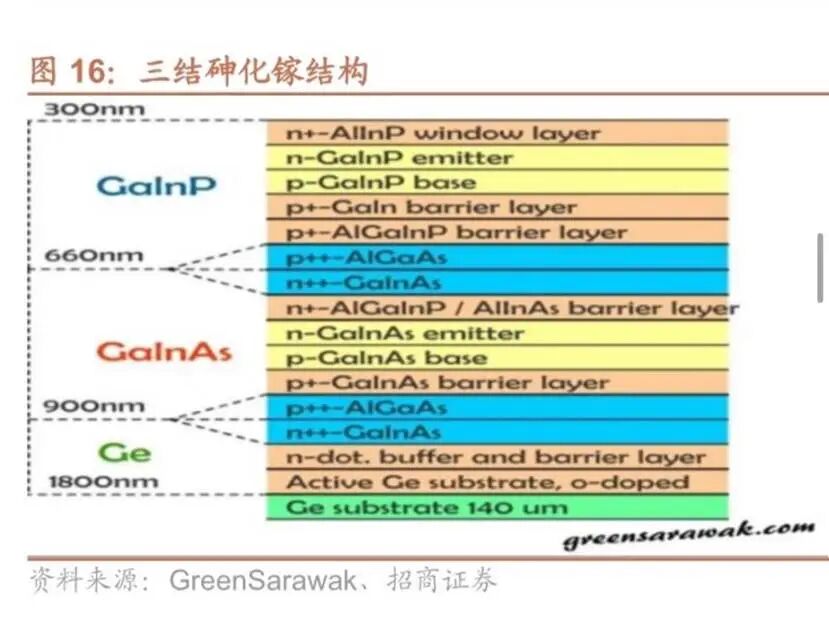
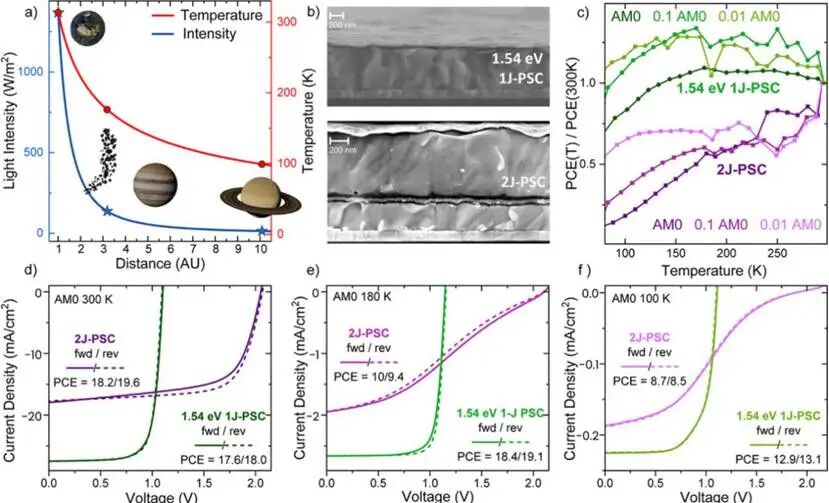



You must be logged in to post a comment.